Improved beekeeping technologies reduce absconding primarily through non-invasive accessibility. Unlike traditional hives that often require structural damage to inspect, standardized movable-frame hives allow beekeepers to perform regular, non-destructive internal checks. This capability enables early detection of critical stressors—such as food scarcity or pest infestations—allowing for timely interventions like supplemental feeding that prevent the colony from fleeing in search of better conditions.
The core advantage of the movable-frame hive is that it transforms beekeeping from a passive, "blind" practice into an active management system. By enabling visibility without destruction, you can remove the specific survival pressures that force colonies to abandon their home.
The Mechanics of Colony Retention
The reduction in absconding is not magic; it is the result of specific design features that solve the biological problems triggering a colony's departure.
Non-Destructive Inspection
In traditional log or wall hives, checking the colony often means breaking the hive structure. This trauma alone can provoke absconding.
Movable-frame hives utilize a standardized design where individual frames can be lifted out effortlessly. This allows you to monitor the queen's health and the colony's status without destroying their work. By maintaining the physical integrity of the nest during checks, the colony remains secure and undisturbed.
Proactive Resource Management
Colonies frequently abscond due to starvation during flowering gaps or droughts.
Because movable frames allow you to visually gauge honey stores in real-time, you can identify scarcity immediately. This enables precise supplemental feeding—providing sugar syrup or pollen substitutes exactly when needed. By artificially stabilizing their food supply, you eliminate the primary biological driver for abandonment.
Targeted Pest and Disease Control
Pest infestations, such as Varroa mites or wax moths, create a toxic environment that forces bees to leave.
Standardized hives facilitate the monitoring of parasite levels and the application of targeted pharmaceutical treatments. This modern infrastructure allows for apiary epidemic prevention that is impossible in closed, traditional systems. A healthy, pest-free colony has no reason to abscond.
Minimizing Stress Factors
Beyond active management, the physical architecture of improved hives creates a more stable environment that encourages habitation.
Preserving the "Labor Force" and Structure
Traditional harvesting often involves cutting out honeycombs, which destroys the brood (larvae) and forces the bees to rebuild from scratch.
Movable frames allow for the extraction of mature honey without harming the larvae or the wax comb. The bees can reuse the empty comb immediately. This preservation of the colony's "furniture" and future workforce drastically reduces the stress load on the bees, making them less likely to flee.
Environmental Optimization
Bees are sensitive to temperature and airflow; poor ventilation can lead to overheating and subsequent absconding.
Improved box hives utilize modern materials and optimized internal structures to provide superior temperature control and ventilation. Furthermore, the ability to transport these hives allows you to move colonies to different altitudes or regions to follow flowering periods, ensuring they remain in an environment conducive to survival.
Understanding the Trade-offs
While movable-frame hives are superior for retention, they introduce new variables that must be managed to ensure success.
Increased Management Complexity
The "movable" aspect implies a responsibility to move and inspect. Neglecting these hives can lead to the same issues as traditional hives if inspections are not performed. Conversely, over-inspection can agitate the bees; a balance must be struck.
Initial Cost and Learning Curve
Unlike traditional hives which can often be constructed from free local materials, standardized hives require investment in precision equipment. They also require the beekeeper to possess the technical knowledge to diagnose pests and manage nutrition, rather than simply letting nature take its course.
Making the Right Choice for Your Goal
Adopting movable-frame technology is an investment in control. Here is how to apply this to your specific objectives:
- If your primary focus is Colony Stability: Prioritize the regular inspection schedule enabled by these hives to catch starvation events early and provide supplemental feed.
- If your primary focus is High Yield: Leverage the non-destructive harvesting feature to extract honey frequently without setting back the colony's growth or triggering a stress response.
Ultimately, movable-frame hives reduce absconding by allowing you to act as a partner to the colony, removing the threats of hunger and disease before they become fatal.
Summary Table:
| Feature | Traditional Hives | Improved Movable-Frame Hives | Impact on Absconding |
|---|---|---|---|
| Inspection Method | Destructive (Breaking structure) | Non-invasive (Lifting frames) | Reduces physical stress & trauma |
| Resource Monitoring | Blind/Inaccessible | Real-time visual checks | Enables timely supplemental feeding |
| Pest Management | Reactive/Impossible | Targeted & Pharmaceutical | Prevents colony flight due to parasites |
| Harvesting | Comb destruction/Brood loss | Non-destructive extraction | Preserves labor force & wax structure |
| Environment | Poor ventilation/Fixed | Optimized airflow/Portable | Maintains ideal climate conditions |
Secure Your Apiary's Future with HONESTBEE
Don't let your colonies flee due to outdated equipment. HONESTBEE specializes in empowering commercial apiaries and distributors with the high-precision tools necessary to eliminate colony stress and maximize retention.
Our comprehensive wholesale range includes:
- Precision Standardized Hives: Engineered for perfect ventilation and easy management.
- Advanced Machinery: From hive-making to honey-filling machines to scale your operations.
- Essential Consumables: Every tool and supply needed for professional pest control and feeding.
Whether you are supplying local beekeepers or managing a large-scale commercial operation, we provide the infrastructure for success. Contact us today to get a wholesale quote and see how our hardware and industry expertise can grow your business.
References
- Yaregal Shiferaw, Oljira Kenea. Honey Bee Colony Absconding and Associated Risk Factors Facing Beekeepers in Bure Zuria Woreda, North Western Ethiopia. DOI: 10.7176/jbah/10-22-02
This article is also based on technical information from HonestBee Knowledge Base .
Related Products
- Professional Grade Foldable Beehive Handles
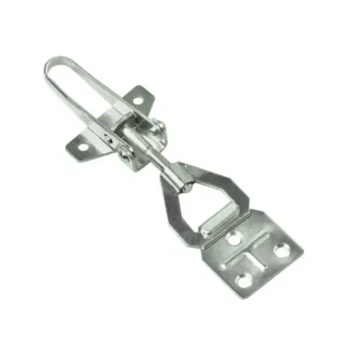
- Heavy Duty Adjustable Hive Connector
- Professional Galvanized Steel Frame Rest for Beehives
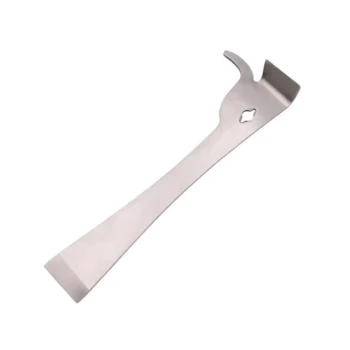
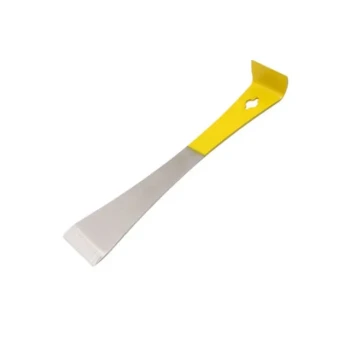
- Professional Multi-Function Stainless Steel Hive Tool
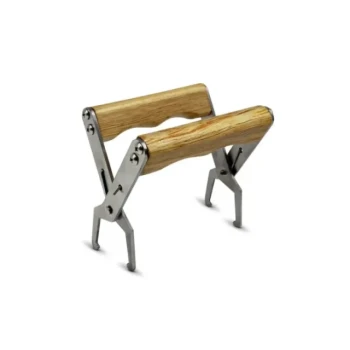
- Heavy-Duty Stainless Steel Clip-On Frame Perch
People Also Ask
- How do bee hive handles facilitate the evaluation of food stores? Use the Lift Test for Winter Survival
- How do the geometry and dimensions of hive handles influence operational safety and control? Expert Design Insights
- What is a bee hive tool? Discover Why It’s the Most Essential Hand Tool for Every Beekeeper
- What are the common sizes and features of bee hive tools? Choose the Right Tools for Your Apiary
- What is the role of professional hive tools in routine apiary maintenance? Expert Tips for Hive Health and Longevity