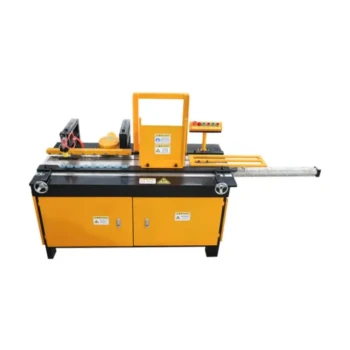
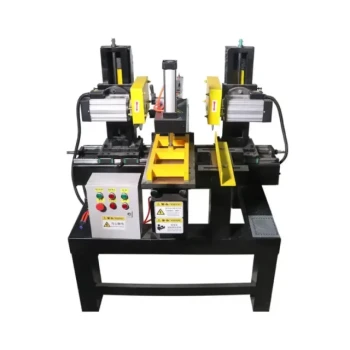
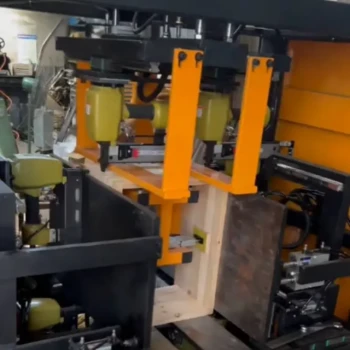
Industrial-grade hive-making machines are the backbone of large-scale apiary expansion in arid regions, providing the standardized infrastructure necessary to combat extreme environmental stressors. By automating the production of hive bodies and frames, these machines ensure that every component meets rigorous dimensional standards, which is vital for thermal regulation and colony survival. For B2B partners, this technology translates to a reliable, high-volume supply of equipment that can be deployed rapidly across vast, challenging landscapes.
The shift to industrial-grade manufacturing allows apiaries to scale sustainably by replacing variable manual assembly with precision-engineered components. This standardization reduces labor costs, ensures equipment interchangeability, and provides the thermal consistency required to protect colonies in harsh arid climates.
Overcoming Environmental Challenges in Arid Zones
Standardized Thermal Performance
In arid regions, extreme temperature fluctuations between day and night can devastate honeybee colonies. Industrial-grade machines produce hives with consistent wall thickness and joint precision, ensuring reliable thermal insulation that reduces colony losses during the peak of summer and winter.
Rapid Equipment Renewal
Harsh sunlight and low humidity often accelerate the wear and tear of wooden hive components in desert environments. High-speed automated production allows for the rapid renewal of equipment, ensuring that large-scale operations can replace damaged units without disrupting the seasonal honey flow or pollination schedules.
Streamlining Operations through Precision Standardization
The Value of Interchangeability
When managing thousands of colonies, the ability to swap frames and supers between different apiaries is a logistical necessity. Standardized dimensions allow for seamless interchangeability, which optimizes the efficiency of hive maintenance, transport, and assembly-line harvesting operations.
Maintaining the Critical "Bee Space"
Precision woodworking ensures that the internal "Bee Space" is maintained to the millimeter across all units. Accurate physical spacing prevents bees from building excessive wax or propolis, which makes hive inspections faster and significantly reduces the manual labor required for honey harvesting.
Future-Proofing for Large-Scale Automation
Compatibility with Processing Lines
Industrial hive-making is the first step in a fully automated honey production chain. Uniform hive components are technically compatible with centrifugal extractors and filling machines, allowing distributors to offer a complete, "one-stop" integrated hardware solution to their commercial clients.
Reducing Fixed Asset Risks
By utilizing high-precision machinery, apiaries can lower their long-term investment risks through more durable hardware. Reduced maintenance costs and minimized parasite risks through precision-fit joints lead to a more sustainable and profitable business model for large-scale commercial beekeeping.
Understanding the Trade-offs
Capital Expenditure vs. Operational Savings
The primary trade-off is the higher initial investment required for industrial-grade machinery compared to traditional woodworking tools. However, for distributors and large-scale operations, the reduction in per-unit labor costs and the massive increase in production speed typically justify the upfront capital within a short timeframe.
Material Consistency Requirements
Automated machines require high-quality, consistent timber to prevent production jams or structural weaknesses. While sourcing premium raw materials may increase initial input costs, it results in a significantly more durable product that can withstand the rigors of commercial migration and arid climates.
How to Maximize Value in Your Supply Chain
As a distributor or reseller, selecting the right hive-making technology is about balancing production volume with the specific environmental needs of your region.
- If your primary focus is rapid regional expansion: Prioritize machines that offer one-stop sourcing for both hive bodies and internal frames to ensure total system compatibility.
- If your primary focus is climate resilience: Look for equipment capable of precision-processing thicker, high-grade timber suitable for extreme insulation in arid environments.
- If your primary focus is operational automation: Choose high-precision machinery that guarantees the exact dimensional accuracy required for downstream automated extraction and processing lines.
Investing in industrial-grade hive production transforms apiary management from a manual craft into a high-efficiency, scalable commercial enterprise.
Summary Table:
| Key Feature | Arid Region Benefit | Commercial Value (B2B) |
|---|---|---|
| Precision Woodworking | Ensures optimal "Bee Space" & thermal insulation. | Reduces maintenance labor & colony loss. |
| Standardized Parts | Seamless interchangeability across vast sites. | Optimizes logistics and equipment replacement. |
| High-Speed Output | Rapidly replaces sun-damaged hive components. | Ensures inventory reliability for distributors. |
| Process Integration | Compatible with automated extraction lines. | Future-proofs large-scale capital investments. |
Scale Your Beekeeping Wholesale Business with HONESTBEE
Are you looking to provide your commercial clients with the most reliable hardware for challenging environments? Partner with HONESTBEE, your premier one-stop source for the full spectrum of beekeeping machinery, tools, and consumables.
Why HONESTBEE is the preferred choice for Distributors and B2B Resellers:
- Comprehensive Sourcing: Access everything from hive-making and honey-filling machines to specialized hardware and industry consumables.
- Unmatched Efficiency: Benefit from ultra-fast delivery, rapid response times, and efficient order fulfillment to keep your inventory moving.
- Deep Industry Expertise: We provide the professional technical insights and high-margin OEM/ODM support you need to dominate your market.
- Exceptional Service: Our dedicated team ensures a seamless trading experience from inquiry to delivery.
Ready to enhance your product portfolio and boost your profit margins?
Contact HONESTBEE Today to discuss our wholesale offerings and secure your supply chain.
References
- Alma Delia Báez‐González, José Humberto Vega-Mares. Influence of Distance, Environmental Factors, and Native Vegetation on Honeybee (Apis mellifera) Foraging in Arid Shrublands and Grasslands. DOI: 10.3390/insects15070543
This article is also based on technical information from HonestBee Knowledge Base .
Related Products
- High-Efficiency Pneumatic Bee Hive Making Machine for Rapid Box Assembly
- Beehive Handle and Frame Rest Cutting Machine: Your Specialized Hive Machine
- Beehive Machine Double End Saw for Precision Hive Component Manufacturing
- Mini Desktop Bee Hive Frame Forming Making Machine
- Automatic High-Speed Bee Hive Box Stapling Machine
People Also Ask
- How does the introduction of professional beehive-making machinery benefit sustainable beekeeping? Scale Your Apiary
- Why is specialized beehive-making machinery critical for low-defense breeding? Enhance Selection with Precision Tools
- How does the introduction of specialized beehive making machinery contribute to increasing the scale of regional beekeeping industries?
- What is the importance of specialized beehive making machinery in a circular bio-economy? Build Local Sustainability
- Why is specialized beehive-making machinery essential? Scale Your Apiary with Precision Industrial Standards