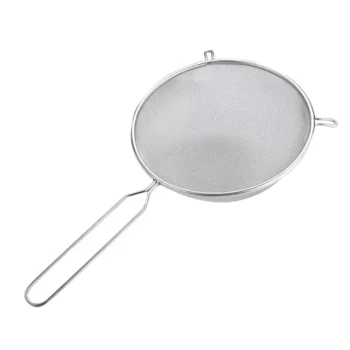
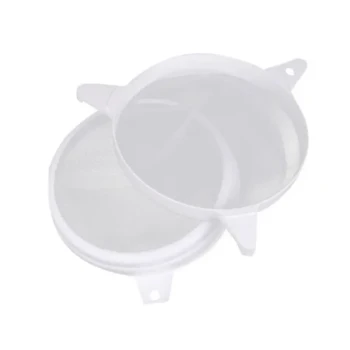
Industrial honey extraction and filtration systems revolutionize product value by replacing manual squeezing with high-precision centrifugal separation and automated thermal management. These systems utilize centrifugal force to isolate honey from the comb without the wax contamination common in manual methods, while multi-stage filtration removes impurities without stripping beneficial microscopic pollen. This mechanical approach ensures the final product meets rigorous international trade standards for clarity, purity, and nutritional integrity.
Industrial systems transform honey from a variable raw material into a standardized, high-value commodity by balancing contaminant removal with the preservation of heat-sensitive enzymes. This technological leap allows distributors to guarantee consistent quality and extended shelf life across global supply chains.
Preserving Biological and Nutritional Integrity
Automated Temperature Regulation
Traditional manual methods often lack the precision to handle honey’s sensitivity to heat. Industrial systems use automated temperature controls to ensure the honey remains within a safe thermal range during processing.
This precision prevents the destruction of heat-sensitive vitamins and essential enzymes like catalase and superoxide dismutase. Protecting these components preserves the honey’s pharmacological value, a critical requirement for premium and health-oriented market segments.
Retention of Microscopic Pollen
While traditional methods often result in "dirty" honey or over-filtered "syrup," industrial precision filtration targets specific particle sizes. This allows for the removal of hive debris and wax clumps while retaining the natural pollen granules.
Retaining pollen is vital for honey traceability and authenticity testing. B2B resellers benefit from this because it provides technical proof of the honey's floral source and geographic origin.
Enhancing Marketability Through Physical Refinement
Centrifugal Force vs. Manual Squeezing
Manual squeezing or pressing the comb inevitably introduces beeswax impurities and air bubbles into the honey. Industrial extractors use centrifugal force to pull honey from the cells cleanly.
This method results in a product with significantly higher clarity and purity. For distributors, this means a more visually appealing product that commands a higher price point on the shelf.
Moisture Control and Dehydration
Industrial-grade equipment includes dehydration stages to precisely adjust the honey's thickness. Reducing moisture content is essential for both "mature" and "immature" honey to meet food safety regulations.
Properly dehydrated honey inhibits the growth of yeast and prevents fermentation. This technical stability is what allows for large-scale export strategies and long-term storage without quality degradation.
Standardization for Global Distribution
Inhibiting Crystallization
One of the primary challenges for wholesalers is honey "setting" or crystallizing in the container. Industrial systems use controlled heat treatment and fine filtration to remove the nuclei (such as dust or stray wax) that trigger crystallization.
This process ensures the honey remains in a liquid state for a longer duration. Consistent viscosity simplifies automated bottling processes and improves the end-user experience.
Meeting Physicochemical Trade Indicators
Global trade requires adherence to specific physicochemical indicators, including HMF levels and enzyme activity. Industrial systems provide the standardized processing necessary to hit these targets every time.
Relying on manual methods creates too much variance for large-scale contracts. Mechanized systems provide the technical foundation for consistent, repeatable quality that professional buyers demand.
Understanding the Trade-offs and Pitfalls
The Risk of Over-Processing
While filtration improves clarity, excessive processing can strip honey of its unique flavor profile and natural antioxidants. Distributors must ensure their sourcing partners use "precision" rather than "aggressive" filtration to maintain the product’s soul.
Balancing Heat and HMF Levels
Applying heat makes honey easier to filter and bottle, but excessive heat increases Hydroxymethylfurfural (HMF) levels. High HMF is a sign of heat damage and can lead to the rejection of shipments in strict markets like the EU.
High Capital Expenditure
The primary barrier to these quality gains is the initial investment required for industrial machinery. For resellers, this highlights the importance of partnering with a supplier who already possesses a comprehensive product portfolio and established infrastructure.
Making the Right Choice for Your Goal
Strategic Recommendations for B2B Buyers
- If your primary focus is High-End Retail: Prioritize suppliers using low-temperature precision filtration to ensure enzyme preservation and natural flavor profiles remain intact.
- If your primary focus is Industrial Food Manufacturing: Seek out products processed with advanced dehydration and fine filtration to guarantee long shelf life and consistent viscosity for automated production lines.
- If your primary focus is Global Export: Ensure your sourcing partner utilizes automated thermal monitoring to keep HMF levels low and meet international regulatory certifications.
By leveraging industrial expertise and rapid fulfillment capabilities, distributors can move beyond simple trading to providing high-performance honey products that meet the world's strictest quality benchmarks.
Summary Table:
| Feature | Manual Collection | Industrial Systems | B2B Market Advantage |
|---|---|---|---|
| Extraction | Manual squeezing (wax-heavy) | Centrifugal separation | Higher clarity & premium pricing |
| Temp. Control | Unregulated (enzyme loss) | Automated thermal monitoring | Preserves vitamins & bio-integrity |
| Filtration | Irregular/Aggressive | Precision multi-stage | Retains pollen for traceability |
| Stability | High moisture/Fermentation risk | Integrated dehydration | Extended shelf life & export-ready |
| Standardization | Variable quality | Uniform physicochemical indicators | Consistent fulfillment for large contracts |
Scale Your Beekeeping Business with HONESTBEE
As a global leader in professional beekeeping solutions, HONESTBEE empowers commercial apiaries and B2B distributors with the technical edge needed to dominate the market. Whether you are looking to upgrade your processing line or expand your wholesale inventory, we provide:
- Comprehensive Portfolio: From high-precision honey-filling and hive-making machines to essential industry consumables.
- One-Stop Sourcing: Access a full spectrum of beekeeping tools and honey-themed cultural merchandise.
- Professional Trading Services: Benefit from our deep industry expertise, rapid response times, and OEM/ODM support designed for high-volume resellers.
- Global Logistics: Efficient order fulfillment and ultra-fast delivery to keep your supply chain moving.
Ready to elevate your product quality and maximize your profit margins?
References
- Vinod Patange, Vilas Jagtap. Review of recent trends about Honey and their varieties. DOI: 10.63778/pdeasijraas-arjcpl/2022_22821
This article is also based on technical information from HonestBee Knowledge Base .
Related Products
- Electric Double Wall Honey Filtering Machine Purifier Equipment for Honey Processing Plant
- Honey Concentrating and Filtering Dehumidifier Machine 2T Capacity for Honey
- HONESTBEE 72 Frame Industrial Electric Honey Extractor for Beekeeping
- Professional Stainless Steel Honey Filtering Machine with Water Bath Heating for Beekeeping
- Professional Honey Filter with Tripod Support Stand
People Also Ask
- What types of equipment are used in honey filtering? Build an Efficient System for Pure, Marketable Honey
- What is the process of filtering honey? A Guide to Clean, Pure, and Market-Ready Honey
- What is the overall importance of using the right equipment in honey filtering? Boost Quality & Marketability
- Why is filtering important in honey processing, and what equipment is used? A Guide to Quality & Efficiency
- What steps are involved in maintaining honey filtering equipment? A Guide to Protecting Your Honey Quality