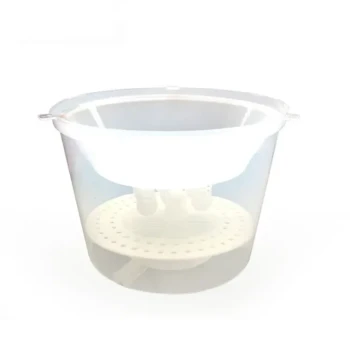
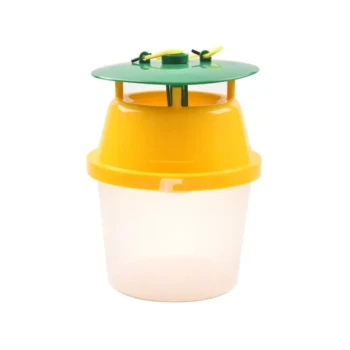
Pollen traps function through a mechanical separation process located directly at the hive entrance. By forcing returning forager bees to navigate through precisely sized aperture grids, the device physically strips pollen pellets from the bees' hind legs, dropping them into a specialized container while allowing the bee to enter the hive.
The system relies on physical obstruction: grids with specific openings dislodge pollen from the bee’s corbiculae (pollen baskets) via friction, automating the harvest without requiring manual intervention or harming the insect.
The Mechanics of Separation
The Role of the Aperture Grid
The core component of the trap is a barrier featuring specific aperture grids. These grids are installed directly in the path of returning worker bees.
Some designs utilize plastic plates with star-shaped holes. These openings are engineered to be just large enough for a worker bee to squeeze through, but too narrow to accommodate the added width of the pollen load.
Physical Dislodgement
As the bee attempts to pass through the grid, the edges of the aperture create a mechanical barrier.
This physical contact creates friction against the pollen pellets attached to the bee's hind legs. The resistance is sufficient to scrape or strip the pellets off without injuring the bee.
Gravity-Fed Collection
Once the pollen is dislodged, it is no longer supported by the bee.
The loose pellets fall immediately into a collection box or drawer positioned beneath the grid. This ensures the pollen is harvested in its raw state before it can be processed into bee bread inside the hive.
Operational Efficiency and Screening
Primary Screening
The trap acts as a primary screening device. It effectively separates the botanical product from the insect vector at the point of entry.
This allows for the large-scale collection of high-purity pollen. It is particularly useful for obtaining non-timber forest products or samples for botanical and chemical analysis.
Non-Destructive Harvesting
The mechanism is designed to be non-destructive. While it impedes the pollen, it does not trap the bee itself.
This ensures that the colony's workforce remains active and healthy, maintaining the normal movement of bees despite the installation of the hardware.
Understanding the Trade-offs
Restricted Access and Flow
While the aperture grid allows worker bees to pass, it significantly alters the entrance dynamic.
The openings are sized specifically for workers. Larger bees, such as drones (males), may be unable to pass through the stripping grid, requiring the beekeeper to manage the device carefully.
Necessity of Management
The trap is not intended to be a permanent, unmonitored fixture.
Many designs allow the grille to be lifted, slid out, or deactivated. This is critical to restore unimpeded access for all caste members and to ensure the colony retains enough pollen for its own nutritional needs when harvesting is not the priority.
Making the Right Choice for Your Goal
When utilizing pollen traps, your operational strategy should align with your specific end goal:
- If your primary focus is Commercial Harvest: Ensure the collection drawer is emptied frequently to maintain the quality of the raw, minimally disturbed pollen.
- If your primary focus is Scientific Analysis: Utilize traps with precise aperture shapes (such as star-shaped holes) to ensure consistent sampling for taxonomic studies or diet analysis.
- If your primary focus is Hive Health: Establish a rotation schedule to deactivate the grid regularly, allowing the colony to replenish its own essential protein stores.
Effective pollen trapping balances the mechanical efficiency of the aperture grid with the biological needs of the colony.
Summary Table:
| Component | Mechanical Function | Impact on Collection |
|---|---|---|
| Aperture Grid | Precise star-shaped holes create friction | Physically dislodges pellets from bee legs |
| Collection Drawer | Gravity-fed storage beneath the grid | Automates harvest and protects raw pollen |
| Bypass Mechanism | Retractable or sliding grille | Allows drone passage and colony nutritional recovery |
| Worker Entrance | Narrowed entrance dynamics | Ensures primary screening and high-purity yield |
Maximize Your Apiary Productivity with HONESTBEE
Are you looking to scale your pollen production or upgrade your commercial beekeeping infrastructure? HONESTBEE specializes in serving commercial apiaries and distributors with a comprehensive range of professional-grade equipment. From precision-engineered pollen traps and hive-making machinery to automated honey-filling systems and essential consumables, we provide the tools you need to succeed in the global market.
Partner with HONESTBEE to access:
- Premium Wholesale Supplies: Full spectrum of beekeeping hardware and machinery.
- Industrial Solutions: High-efficiency equipment designed for large-scale operations.
- Cultural Merchandise: Unique honey-themed products to diversify your portfolio.
Ready to enhance your efficiency and yield? Contact HONESTBEE today to discuss our wholesale offerings and how we can support your business growth!
References
- K. Samanta, Rakesh Das. Role of honey bees as beneficial insects: Significance and challenges. DOI: 10.33545/26174693.2024.v8.i4sc.964
This article is also based on technical information from HonestBee Knowledge Base .
Related Products
- Removable Plastic Pollen Trap With Ventilated Tray for Bees Pollen Collector
- 30 cm Plastic Entrance Hole Bee Pollen Trap and Collector
- Plastic Bee Pollen Trap Strips Comb Catcher Collector
- Black Plastic Beetle Barn Hive Beetle Trap for Beehives
- Reusable Clear Small Hive Beetle Traps for Beehives Beetle Trapping Tools
People Also Ask
- What are the design principles and advantages of pollen traps in the collection of bee pollen? Boost Your Apiary Yield
- What is the function of professional pollen traps in evaluating honey plants? Quantifying Pollination and Crop Potential
- What functions do pollen traps serve for bee bread production? Optimize Your Raw Material Collection
- What maintenance and pest prevention measures should be taken for pollen traps? Protect Your Hive and Harvest Quality
- How does the use of pollen traps in honeybee hives enhance crop fertilization? Boost Your Yield Through Induced Activity