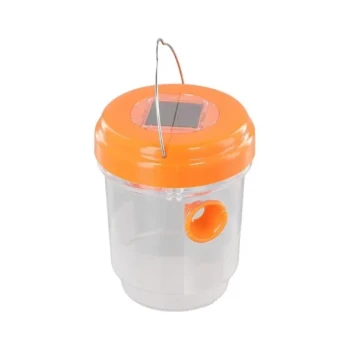
Professional pest monitoring and biosecurity consumables protect nomadic beekeeping networks by functioning as a synchronized early warning and containment system. By utilizing specialized traps and diagnostic kits, beekeepers can identify pathogens before they establish a foothold, while disinfection tools and preventive medications stop the rapid transmission of disease inherent in high-density pollination environments.
Nomadic beekeeping relies on high connectivity, which unfortunately creates ideal conditions for rapid disease transmission. Monitoring consumables break this chain by enabling early detection, while biosecurity protocols neutralize pathogens before they can spread across regions.
Mitigating the Risks of High Connectivity
The Vulnerability of Migration Networks
Nomadic migration networks are highly connected, meaning a single infection can travel vast distances in a short period.
Without intervention, pests introduced in one region can rapidly destabilize operations across multiple locations.
The Critical Role of Early Detection
Specialized traps and diagnostic kits allow for the identification of pests and diseases at their earliest, most manageable stages.
This capability creates a crucial window of opportunity to intervene before an infestation becomes a network-wide crisis.
Early detection is the primary line of defense, preventing a localized issue from becoming a regional epidemic.
The Biosecurity Defense Layer
Preventing Cross-Infection
In high-density pollination areas, colonies from different sources often mix, increasing the risk of pathogen exchange.
Strict biosecurity measures, supported by consumable tools, act as a firewall to prevent pathogens from jumping between hives.
Environmental Sanitation and Hygiene
Spray and fumigation disinfection consumables ensure the physical environment and equipment remain hygienic.
Regular sanitation reduces the viral load on shared tools and transport vehicles, minimizing the risk of environmental transmission.
This ensures the hygienic safety of bee products and maintains compliance with biological safety regulations.
Targeted Disease Control
Professional epidemic prevention medications specifically target high-risk threats such as Varroa mites and Nosema.
These preventive treatments reduce abnormal mortality rates by addressing the root cause of colony collapse before it spreads.
Understanding the Trade-offs
Investment vs. Potential Loss
Implementing a comprehensive suite of monitoring and biosecurity consumables requires a consistent financial investment.
However, relying solely on reactive treatments after an outbreak occurs is often far more costly than proactive prevention.
Operational Velocity
Effective monitoring requires consistent human attention and adherence to strict protocols.
Placing traps, administering diagnostics, and fumigating equipment adds time to the workflow, which can challenge the tight schedules of rapid migration.
Making the Right Choice for Your Network
To effectively protect your apiaries, you must align your consumable strategy with your specific operational risks.
- If your primary focus is preventing outbreak entry: Prioritize diagnostic kits and specialized traps to screen colonies immediately before and after transport.
- If your primary focus is minimizing colony loss in high-density areas: Focus on preventive medications and disinfection sprays to lower the environmental pathogen load and reduce cross-infection risks.
A robust defense strategy requires viewing these consumables not as expenses, but as essential insurance for the stability of your network.
Summary Table:
| Protection Layer | Consumable Category | Key Function for Nomadic Networks |
|---|---|---|
| Early Detection | Specialized Traps & Diagnostic Kits | Identifies pathogens before they spread across migration routes. |
| Cross-Infection Prevention | Preventive Medications | Targets Varroa and Nosema to reduce mortality in high-density areas. |
| Environmental Hygiene | Disinfection Sprays & Fumigants | Sanitizes shared tools and transport vehicles to eliminate viral loads. |
| Network Stability | Monitoring Protocols | Acts as a firewall between colonies to prevent regional epidemics. |
Secure Your Apiary’s Future with HONESTBEE
Nomadic beekeeping demands more than just hard work—it requires a professional-grade defense. At HONESTBEE, we empower commercial apiaries and distributors with a comprehensive wholesale portfolio designed to safeguard high-density pollination networks.
From advanced pest monitoring tools and biosecurity consumables to industrial-grade hive-making and honey-filling machinery, we provide the full spectrum of equipment needed to scale your operations safely. Whether you are seeking essential industry consumables or specialized hardware, our solutions ensure your colonies remain productive and protected.
Ready to fortify your beekeeping network? Contact us today to explore our wholesale offerings and see how we can enhance your biological safety and operational efficiency.
References
- Robert E. Gordon, I.J. East. Nomadic beekeeper movements create the potential for widespread disease in the honeybee industry. DOI: 10.1111/avj.12198
This article is also based on technical information from HonestBee Knowledge Base .
Related Products
- Varroa Easy Check Mite Tester Kit Counter Alcohol Wash Jar
- Australian Pine Wood Langstroth Screen Bottom Board for Wholesale
- Gourd Shaped Hanging Wasp Trap Professional Wasp Catcher
- Stainless Steel Pollen Shovel with Wooden Handle
- Plastic Bee Pollen Trap Strips Comb Catcher Collector
People Also Ask
- What tools are utilized within an Integrated Pest Management (IPM) strategy for honeybees? Optimize Colony Health
- What is the significance of standardized detection tools in Varroa control? Data-Driven Beekeeping Strategies
- Why is surfactant added to 70% alcohol for Varroa detection? Ensure Accurate Mite Counts for Professional Beekeeping
- What is the purpose of using white filter cloth for Varroa mite screening? Enhance Detection and Accuracy
- How does a specialized Varroa mite tester with sugar powder facilitate mite diagnosis? Precise B2B Hive Health Solutions