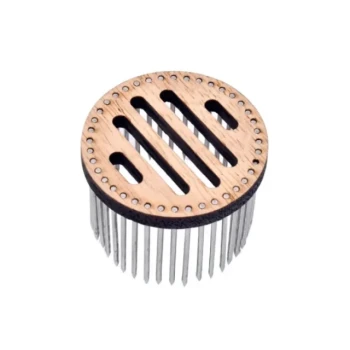
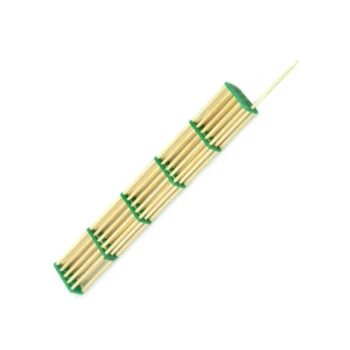
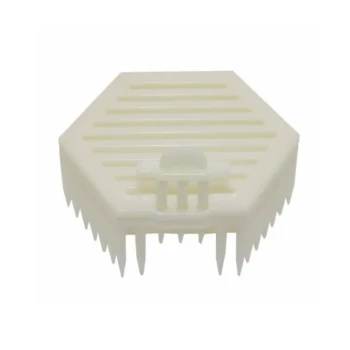
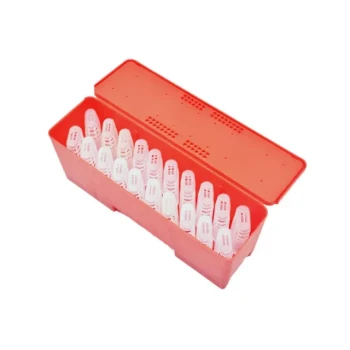
Queen cages function as a controlled biological airlock. They solve the immediate problem of colony rejection by physically isolating the new queen while allowing her unique pheromone signature to permeate the hive. This dual action—protection and gradual integration—prevents worker bees from attacking the "intruder" until her scent has been accepted as the new colony standard.
The introduction of a stranger is perceived as a threat to an established colony's integrity. The queen cage converts this immediate threat into a gradual transition, utilizing a physical barrier to buy the necessary time for chemical acceptance.
The Mechanics of Integration
The Physical Shield
The primary function of the cage is to act as a physical barrier. Without this separation, an established colony will often view a new queen as a foreign invader.
This almost invariably leads to immediate aggression, where workers ball around the queen to attack or kill her. The cage renders the queen accessible to the workers' senses but inaccessible to their stingers.
Pheromone Diffusion
While the physical mesh protects the queen's body, it allows for odor exchange. The queen releases pheromones that dictate the social order of the hive.
By keeping the queen in the hive but behind a barrier, these pheromones gradually diffuse throughout the colony. This process slowly rewrites the colony's "chemical identity," signaling to the workers that this bee is their new leader.
Restoring Social Order
The ultimate goal of the cage is not just survival, but the restoration of efficiency. A colony without a queen or in turmoil is unproductive.
By facilitating a safe transition, the cage shortens the time required for the colony to stabilize. Once the scent is accepted, the social hierarchy is restored, and the colony can return to normal operations.
The Role of the Candy Plug
A Biological Timer
Many professional cages utilize a candy plug at the entrance. This serves as an automated, slow-release mechanism.
Worker bees must eat through this candy barrier to release the queen. This acts as a natural timer, delaying direct contact between the queen and the colony.
The Critical Buffer Period
The consumption of the candy plug typically takes 1 to 2 days. This delay is calculated, not accidental.
During this buffer period, the queen is safe inside, but her pheromones are actively working on the colony. By the time the path is clear, the workers have usually accepted her scent, significantly minimizing the risk of rejection upon release.
Understanding the Trade-offs
Release Timing Sensitivity
While the candy plug automates release, the timing is critical. If the candy is too soft and eaten too quickly (less than 24 hours), the queen may emerge before pheromone acceptance is complete, leading to her death.
Conversely, if the release takes too long, it delays egg-laying and can stress the queen. The mechanism relies on the colony being active enough to consume the plug at a moderate pace.
Acceptance Is Not Guaranteed
A cage significantly increases success rates, but it is not a guarantee. If a colony believes it already has a queen (even a virgin one hiding in the frames), they may remain hostile toward the caged queen regardless of the acclimation period.
Making the Right Choice for Your Goal
When managing apiary genetics, understanding the purpose of the introduction dictates your approach.
- If your primary focus is Protecting Genetic Investment: Rely on the cage to safeguard high-value, artificially bred queens that offer superior disease resistance and yield, as these are costly to replace.
- If your primary focus is Colony Efficiency: Utilize the candy plug mechanism to automate the release process, minimizing the time the colony spends in a disorganized state.
The queen cage is the bridge between genetic potential and colony acceptance.
Summary Table:
| Feature | Function | Benefit |
|---|---|---|
| Physical Mesh | Provides a protective barrier | Prevents worker aggression and lethal 'balling' |
| Pheromone Diffusion | Allows scent to permeate the hive | Gradually establishes the queen's chemical authority |
| Candy Plug | Acts as a biological release timer | Delays direct contact until pheromone acceptance is achieved |
| Safety Buffer | 1-2 day consumption period | Minimizes risk of rejection during the transition phase |
Maximize Your Apiary Productivity with HONESTBEE
Successful queen introduction is the cornerstone of a thriving apiary. At HONESTBEE, we understand the precision required by commercial beekeepers and distributors to maintain colony health and genetic integrity.
We provide a comprehensive wholesale range of professional-grade beekeeping tools, from specialized queen cages to advanced honey-filling machines and hive-making equipment. Whether you are scaling a commercial operation or supplying the industry, our high-quality consumables and hardware are designed to optimize your efficiency.
Ready to elevate your beekeeping operations? Contact us today to explore our full spectrum of wholesale solutions and cultural merchandise.
References
- Zewdu Ararso Hora, Alemu Hundie. Young Honeybee (Apis Mellifera Bandasii) Queens Perform Better than Old Ones. DOI: 10.7176/jbah/10-13-05
This article is also based on technical information from HonestBee Knowledge Base .
Related Products
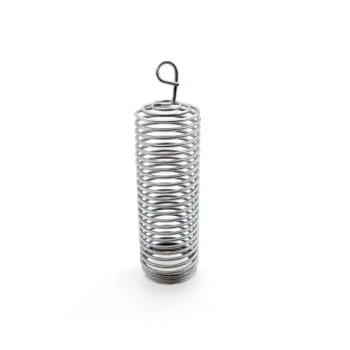
- Durable Galvanized Steel Spring Queen Bee Cage
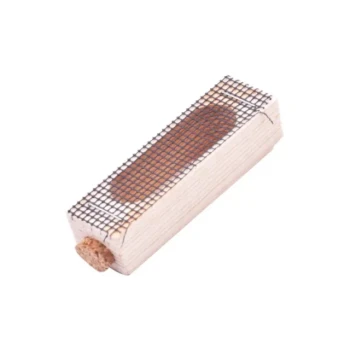
- Classic Wooden and Mesh California Queen Cage
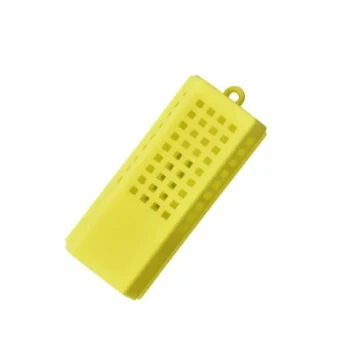
- Professional Queen Bee Introduction and Transport Cage
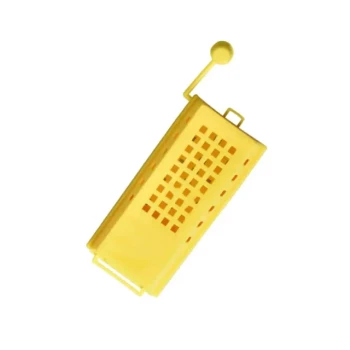
- Professional Queen Cage with Sliding Gate and Feeder Plug
- Professional Multi-Compartment Queen Cage with Sliding Lid
People Also Ask
- Why are specialized queen bee cages used for the banking of mated queen bees? Maximize Commercial Apiary Storage Efficiency
- What is the mechanism of action for using temporary queen bee cages? Master Successful Queen Introduction
- What is the step-by-step process for installing a queen bee's cage onto a frame? Ensure Hive Acceptance Safely
- What is the optimal placement for a queen bee cage? Essential Strategies for Successful Re-queening
- What are the advantages and disadvantages of introducing a queen bee by embedding the cage? Boost Your Queen Acceptance