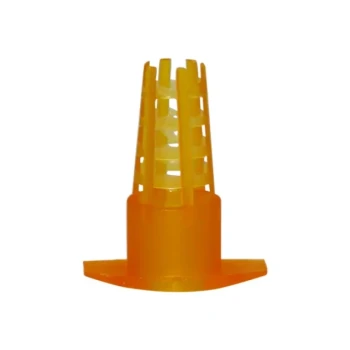
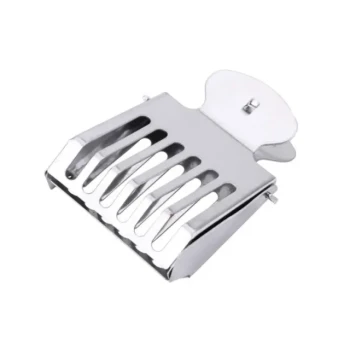
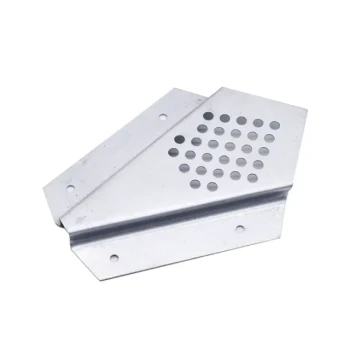
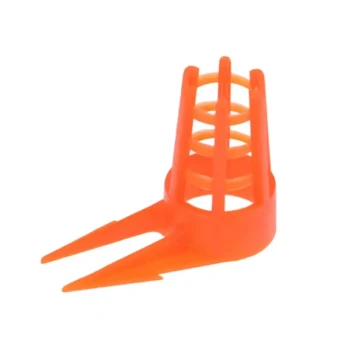
Space regulation is the primary mechanism used to manage the natural reproductive behaviors of honeybees. Queen excluders physically limit the queen's reproductive footprint, while multi-layer supers expand the hive's total volume, directly suppressing the overcrowding instincts that trigger swarming.
By effectively managing hive volume and separating reproductive zones from storage areas, beekeepers can override the natural impulse to swarm, ensuring the colony's energy is directed toward honey production rather than population division.
The Mechanics of Suppression
Restricting the Reproductive Zone
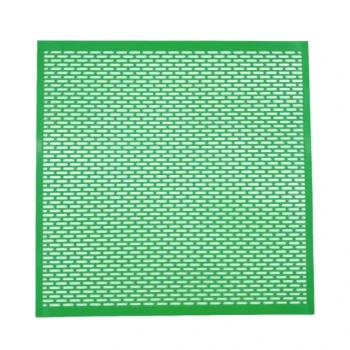
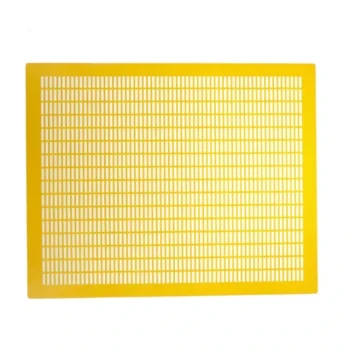
A queen excluder functions as a physical barrier with a grid specifically spaced to allow smaller worker bees to pass while blocking the larger abdomen of the queen.
In a single-story brood chamber configuration, this device confines the queen to the bottom box. This restriction prevents her from expanding the brood nest upward, keeping the population density controlled within specific boundaries.
Alleviating "Lack of Room"
The primary trigger for the swarming impulse is often a lack of physical space within the hive. Multi-layer supers address this by providing vertical expansion.
By adding these layers, you provide the worker population with ample room for honey storage. This prevents the brood chamber from becoming backfilled with nectar, which would otherwise crowd the queen and signal the colony that it is time to split.
Strategic Colony Concentration
Preventing Population Dilution
When a colony swarms, a significant portion of the workforce leaves to establish a new hive. This drastically reduces the original colony's productive capacity.
By using space regulation technology to suppress this urge, you maintain a high concentration of worker bees. This ensures the colony's strength remains undiluted, maximizing the workforce available for nectar collection.
Enhancing Honey Purity
Beyond swarm control, this setup optimizes the harvest. Because the queen cannot enter the upper supers, these layers remain free of eggs and developing brood.
This encourages workers to use the upper layers exclusively for honey storage. The result is a simpler inspection process and cleaner, purer honey extraction.
Understanding the Trade-offs
The Balance of Restriction
While restricting the queen is necessary for swarm management, it requires precise equipment. The grid spacing must be exact to ensure worker bees can move freely between the brood box and the honey supers.
If the barrier impedes worker movement, it can cause stress or reduce honey storage efficiency.
Management Complexity
Utilizing multi-layer supers effectively requires active monitoring. Simply adding space is not enough; the timing must align with the colony's growth.
Adding supers too late may not prevent the swarm impulse if the "lack of room" signal has already been triggered.
Making the Right Choice for Your Goal
To effectively utilize these tools, you must align their application with your specific objective:
- If your primary focus is Maximum Honey Yield: Prioritize the use of queen excluders to keep upper supers free of brood, ensuring pure honey storage and easier extraction.
- If your primary focus is Swarm Prevention: Focus on the timely addition of multi-layer supers to ensure the colony never perceives a lack of room, keeping the queen in the lower chamber to regulate density.
Mastering hive volume is the difference between a depleted colony and a productive harvest.
Summary Table:
| Feature | Function in Swarm Management | Primary Benefit |
|---|---|---|
| Queen Excluder | Restricts queen to the brood chamber; prevents upward brood expansion | Ensures pure honey supers & controlled population density |
| Multi-layer Supers | Provides vertical expansion; prevents nectar backfilling in brood area | Eliminates overcrowding triggers and provides storage space |
| Space Regulation | Maintains a high concentration of worker bees in a single colony | Maximizes honey yield by preventing population dilution |
Elevate Your Apiary's Productivity with HONESTBEE
Are you looking to optimize your commercial beekeeping operations? At HONESTBEE, we specialize in supporting commercial apiaries and distributors with high-quality, professional-grade equipment designed to manage colony health and maximize yields. From precision-engineered queen excluders and multi-layer supers to industrial honey-filling machines and hive-making machinery, we provide the full spectrum of tools your business needs to thrive.
Partner with HONESTBEE for:
- Wholesale Excellence: Comprehensive supply of beekeeping hardware and essential consumables.
- Industrial Efficiency: Advanced machinery to streamline your honey processing and hive production.
- Cultural Merchandise: Unique honey-themed products to diversify your portfolio.
Take control of your honey production and suppress swarming impulses with the right tools. Contact us today to discuss your wholesale requirements and see how our expertise can benefit your business.
References
- Tsegay, Tebeje Mesfin. Opportunities and constraints of beekeeping in Wolaita and Dawro zones, Southern Ethiopia. DOI: 10.5897/ajar2017.12233
This article is also based on technical information from HonestBee Knowledge Base .
Related Products
- High Performance Plastic Queen Excluder for Beekeeping and Apiary Management
- Lightweight Durable Plastic Queen Excluder Scraper for Beekeeping
- Professional Plastic Queen Excluder for Modern Beekeeping
- Metal Queen Bee Excluder for Beekeeping
- Premium Wood Framed Metal Wire Queen Bee Excluder
People Also Ask
- What are the characteristics of a plastic queen excluder? Key Benefits for Cost-Effective Beekeeping
- What are the operational and cost advantages of using plastic queen excluders over metal or wire excluders in commercial hive management? Discover how they reduce labor, prevent wing damage, and lower total costs.
- What types of queen excluders are available for beekeepers? Choose the Right Tool for Your Hive
- Why are standardized hive frames and queen excluders essential for maintaining honey purity and quality? Scale Your Purity
- Do plastic queen excluders work? A Cost-Effective Solution for Modern Apiaries