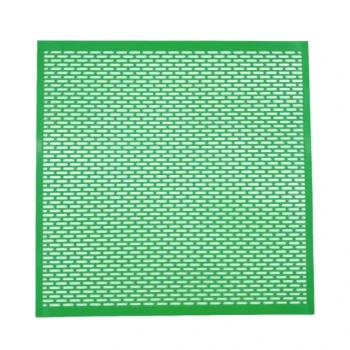
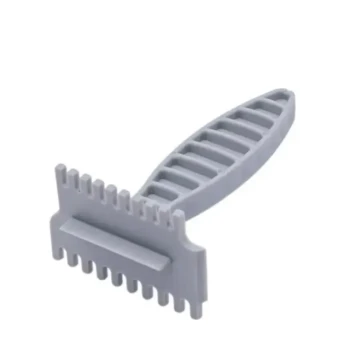
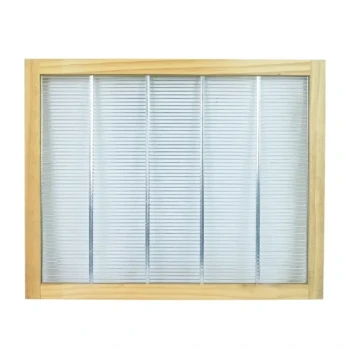
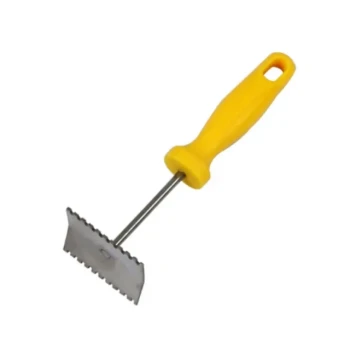
During winter hive management, the queen excluder functions as a precise biological filter placed between the brood chamber and the supers used for feeding. By utilizing a grid with calibrated openings, it allows smaller worker bees to pass through to access and store feed in the upper supers, while physically blocking the larger queen from entering. This ensures that the upper section of the hive remains a dedicated reservoir for winter food, preventing the queen from expanding the brood nest into these critical reserves.
The central purpose of using a queen excluder during winter feeding is to enforce a strict boundary: the queen remains safely in the lower brood box, while the upper supers are preserved exclusively for food storage without the risk of brood contamination.
The Mechanics of Exclusion
Calibrated Physical Barriers
The fundamental mechanism of a queen excluder is the precise size of its grid openings. Whether made of metal or plastic, the spacing is engineered to be slightly larger than a worker bee but smaller than the queen’s thorax.
Selective Permeability
This design creates a semi-permeable barrier within the hive structure. Worker bees can move freely between the brood chamber and the food supers to manage resources. The queen, however, is physically confined to the lower designated area.
Strategic Benefits for Winter Feeding
Protecting Winter Reserves
When feeding colonies through supers, the primary goal is to build up substantial food stores for the dormant season. The excluder guarantees that the upper supers are used strictly for this purpose.
Preventing Brood Expansion
Without a barrier, a queen may migrate upward into the supers to lay eggs, especially if the colony is being heavily fed. This would convert valuable food storage space into brood rearing space, depleting energy resources intended for winter survival.
Simplifying Inspection and Management
Confining the queen to the lower brood boxes streamlines hive management. You do not need to inspect the upper supers for eggs or larvae, allowing for faster, less intrusive checks of the colony's food status.
Understanding the Trade-offs
Restricted Cluster Movement
While the excluder excels at organizing the hive, it imposes a rigid structure on the colony. In extreme cold, the bee cluster may move upward to follow the heat and food. If the queen cannot pass through the excluder to stay with the cluster, she may be left behind in the cold, leading to colony failure.
Potential for Resource Separation
Strictly enforcing the separation between brood and food requires the worker bees to travel across the barrier to retrieve sustenance. In weakened colonies, this extra distance and physical barrier can sometimes slow down the consumption or translocation of feed.
Making the Right Choice for Your Goal
To effectively utilize queen excluders during your winter feeding strategy, consider your specific objectives:
- If your primary focus is Maximizing Food Purity: Use the excluder to ensure supers remain 100% free of brood, keeping winter stores clean and dedicated solely to nutrition.
- If your primary focus is Streamlining Inspections: Install the excluder to eliminate the need to hunt for the queen in upper boxes, reducing the time the hive is open during cooler weather.
Effective winter management relies on balancing the need for organized food storage with the biological necessity of keeping the queen safely within the warmth of the colony cluster.
Summary Table:
| Feature | Function in Winter Management | Key Benefit |
|---|---|---|
| Grid Design | Calibrated openings (4.1mm - 4.4mm) | Allows workers through; blocks larger queens. |
| Resource Isolation | Separates food supers from brood chamber | Prevents brood from contaminating winter reserves. |
| Space Control | Prevents queen migration to upper boxes | Ensures supers are used 100% for food storage. |
| Management | Simplifies hive inspections | Reduces hive opening time during cold weather. |
Maximize Your Colony’s Winter Survival with HONESTBEE
Proper hive management requires precision tools that work as hard as your bees. At HONESTBEE, we specialize in supporting commercial apiaries and distributors with a comprehensive wholesale range of high-quality beekeeping equipment. From precision-engineered queen excluders and hive-making machinery to essential industry consumables, we provide the full spectrum of tools needed to scale your operations.
Whether you are stocking up on hardware or looking for specialized honey-filling solutions, our expertise ensures your success. Contact us today to explore our wholesale offerings and elevate your beekeeping business!
References
- Tomas A. Bustamante, Mary Bammer. Keeping Bees in Florida. DOI: 10.32473/edis-aa264-2016
This article is also based on technical information from HonestBee Knowledge Base .
Related Products
- High Performance Plastic Queen Excluder for Beekeeping and Apiary Management
- Lightweight Durable Plastic Queen Excluder Scraper for Beekeeping
- Professional Plastic Queen Excluder for Modern Beekeeping
- Metal Queen Bee Excluder for Beekeeping
- Premium Wood Framed Metal Wire Queen Bee Excluder
People Also Ask
- What are the characteristics of a plastic queen excluder? Key Benefits for Cost-Effective Beekeeping
- What are the operational and cost advantages of using plastic queen excluders over metal or wire excluders in commercial hive management? Discover how they reduce labor, prevent wing damage, and lower total costs.
- What types of queen excluders are available for beekeepers? Choose the Right Tool for Your Hive
- Why are standardized hive frames and queen excluders essential for maintaining honey purity and quality? Scale Your Purity
- Do plastic queen excluders work? A Cost-Effective Solution for Modern Apiaries