Sagging or deformed comb can shift colony investment toward drones. As worker comb stretches, ages, or becomes distorted, some cells become large enough to resemble drone cells. Queens are more likely to place unfertilized eggs in these larger cells, increasing drone production and diverting food, nurse-bee labor, and brood-rearing space away from workers and honey production.
The practical priority is not to eliminate drones, but to prevent uncontrolled drone-cell expansion. Regular frame inspection, comb replacement, accurate foundation installation, and proper frame wiring help preserve worker-cell architecture and maintain a productive colony balance.
How Deformed Comb Changes Colony Population Dynamics
Larger cells encourage more drone brood
Honey bee queens normally lay fertilized eggs in worker cells and unfertilized eggs in drone cells. When worker comb stretches or becomes irregular, enlarged cells can be treated by the colony as suitable drone-cell space.
The result is not simply a visual comb defect. It can change the type of brood being produced across a meaningful portion of the frame.
Drone numbers rise while worker capacity falls
Drones are essential for mating, but they do not collect nectar, produce honey, or perform routine colony maintenance. They consume stored food and require worker attention during development and adulthood.
If excessive drone comb replaces worker comb, the colony may have fewer workers available for foraging, nursing, comb construction, ventilation, and hive defense.
Colony resources become less efficiently allocated
Drone brood requires food, temperature regulation, and nurse-bee labor. During nectar dearths or periods of limited forage, this demand can place additional pressure on stores.
The issue is therefore one of population balance. A healthy colony needs drones, but uncontrolled drone production can reduce the proportion of workers supporting honey production and colony operations.
Why Comb Maintenance Matters
Cell architecture influences colony behavior
Comb is not merely a storage surface. Its geometry affects where the queen lays, how brood is arranged, and how efficiently workers manage the brood nest.
Maintaining correctly sized worker-cell foundation helps preserve a brood pattern that supports a strong worker population.
Old comb can become structurally unreliable
Repeated use, stretching, repairs, and exposure to hive conditions can make comb darker, weaker, or more distorted. Sagging frames are especially vulnerable to further deformation during handling, heat, or honey storage.
Retiring compromised frames reduces the risk that worker comb will gradually become mixed with unwanted drone-sized areas.
Frame condition affects inspection and harvesting
Deformed comb is harder to inspect accurately and may break during manipulation or extraction. Broken comb can cause additional disruption, attract pests, and slow routine hive work.
For commercial operations, proactive frame maintenance is generally more efficient than replacing damaged equipment after a failure.
Hive Maintenance Tools That Help Prevent Unwanted Drone Production
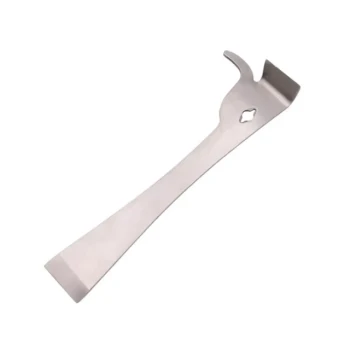
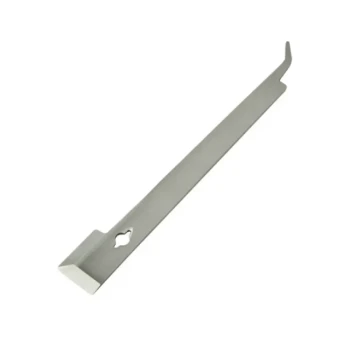
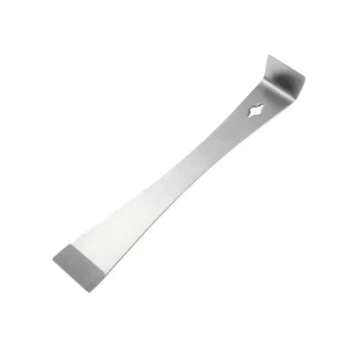
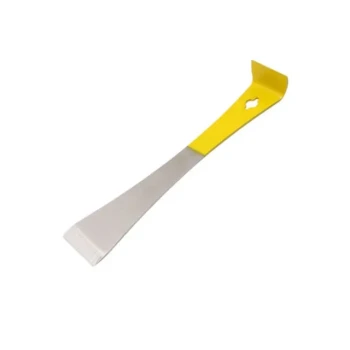
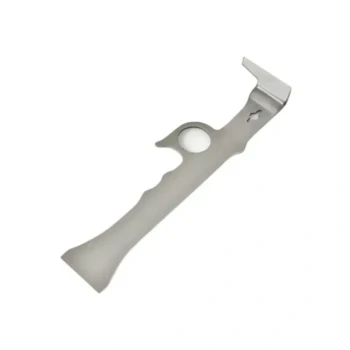
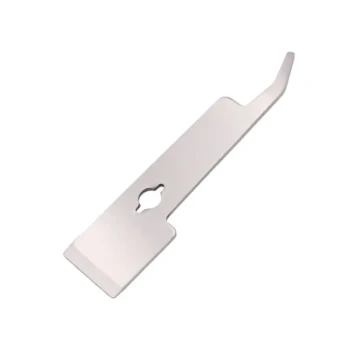
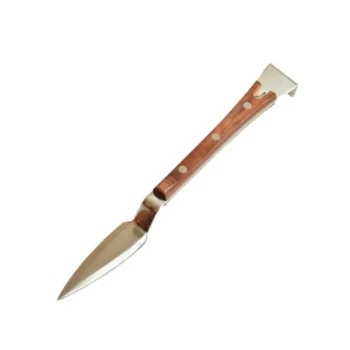
Hive tool
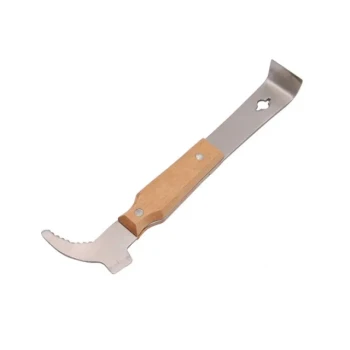
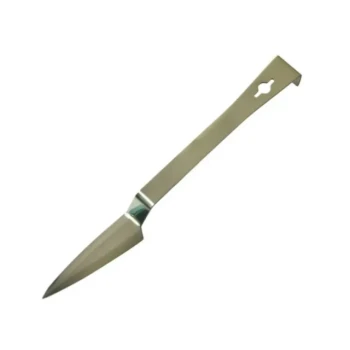
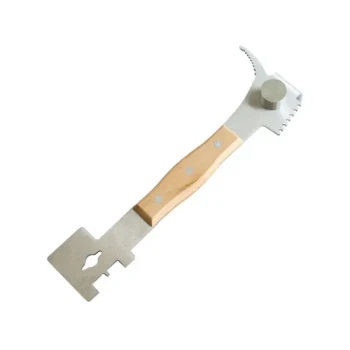
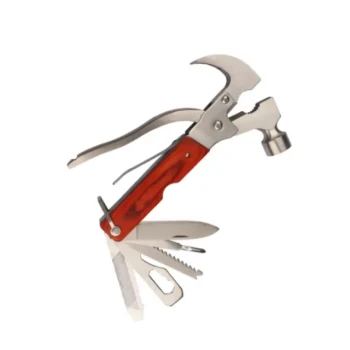
A hive tool is used to separate frames, scrape excess burr comb, remove propolis, and clean irregular comb attachments.
Regular removal of unwanted burr comb helps prevent the colony from expanding uncontrolled drone-sized areas outside the intended foundation pattern.
Frame wire and wiring equipment
Frame wire, wire anchors, eyelets, and a wiring jig help reinforce foundation and keep it properly supported inside the frame.
Securely wired frames are less likely to sag, bow, or deform when exposed to heat, heavy honey stores, or routine handling.
Foundation sheets
Properly sized worker-cell foundation provides the initial cell pattern that guides comb construction. Foundation should match the frame dimensions and be installed without excessive slack or misalignment.
If a frame has substantially distorted comb, replacing it with correctly fitted foundation is usually more reliable than attempting to preserve the damaged section.
Foundation embedder
A foundation embedder seats the wire into wax foundation so the sheet remains anchored during comb construction and later manipulation.
This small tool is especially useful when preparing multiple frames consistently, because unevenly embedded wire can leave weak points that contribute to sagging.
Frame assembly and repair tools
Operations maintaining many hives may also need frame nails, frame eyelets, wire tensioners, frame assembly jigs, and replacement frame parts.
These items support repeatable frame construction and make it easier to retire damaged frames without interrupting broader apiary operations.
Frame grip and inspection equipment
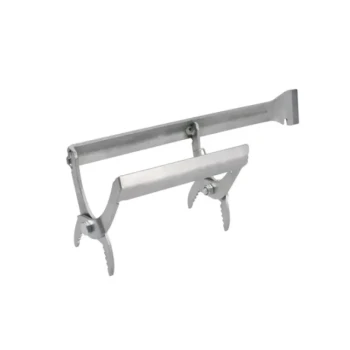
A frame grip can reduce accidental damage when lifting heavy or fragile frames. Inspection lighting and a clean work surface also help identify early sagging, irregular cells, and excessive drone comb.
Early detection allows the beekeeper to correct the frame before deformation spreads or the comb becomes unsafe to handle.
A Practical Maintenance Routine
Inspect frames during regular hive checks
Look for comb that is:
- Sagging between support wires
- Bulging or bowing beyond the frame
- Mixed with extensive drone-sized cells
- Dark, brittle, or heavily repaired
- Detached from the top or side bars
Frames showing these conditions should be marked for repair or replacement.
Replace comb progressively
Comb replacement is best handled as a planned rotation rather than a single emergency intervention. Removing a limited number of poor-quality frames at regular intervals helps preserve brood-nest continuity.
The exact schedule depends on climate, hive design, colony strength, and operating practices, but the principle is consistent: do not allow damaged comb to remain indefinitely.
Keep foundation installation accurate
Foundation should be centered, properly tensioned, and firmly secured. Frames should also be spaced correctly so bees do not create excessive comb between frames or enlarge cells through irregular construction.
Good installation reduces downstream maintenance and improves compatibility with inspection and extraction equipment.
Balance drone management with colony biology
Drones are not pests by definition. Colonies need some drone production, and drone brood can support normal reproductive behavior.
The objective is to prevent deformed worker comb from creating unplanned, excessive drone areas, not to remove every drone cell from the apiary.
Understanding the Trade-offs
Excessive drone removal can be counterproductive
Aggressively eliminating all drone brood may interfere with normal colony biology and remove useful reproductive capacity. Management should focus on correcting defective comb rather than pursuing zero drones.
Foundation replacement has labor and material costs
Replacing frames requires foundation, wire, assembly time, hive manipulation, and disposal or processing of old comb. For distributors and resellers, these costs make product compatibility and order availability important considerations.
A dependable supplier should be able to provide the complete maintenance set rather than isolated components that delay frame preparation.
Mechanical repair is not always worthwhile
A severely distorted or brittle comb may not justify repair. Trying to preserve it can increase breakage risk and may leave the colony with the same cell-architecture problem.
In those cases, a new frame and properly installed foundation provide a cleaner and more predictable result.
Product compatibility matters
Frame dimensions, foundation type, wire layout, embedder design, and hive system must be compatible. Incorrect components can create poor tension, misalignment, or unnecessary rework.
For wholesalers and professional beekeepers, a one-stop product portfolio can simplify specification, purchasing, and replenishment across multiple apiaries.
Making the Right Choice for Your Goal
A practical purchasing plan should match the maintenance problem, operating scale, and required response time.
- If your primary focus is colony productivity: Prioritize progressive replacement of sagged or distorted comb and maintain correctly sized worker-cell foundation.
- If your primary focus is frame durability: Source properly assembled frames, frame wire, eyelets, wiring tools, and foundation-embedding equipment as a compatible system.
- If your primary focus is apiary maintenance efficiency: Keep hive tools, replacement foundation, repair parts, and inspection accessories available before scheduled hive work begins.
- If your primary focus is wholesale or resale supply: Choose a supplier with a full-spectrum portfolio, rapid response, reliable fulfillment, and technical support across hive maintenance categories.
Maintaining sound comb architecture keeps colony population growth directed toward the worker force that sustains productive beekeeping.
Summary Table:
| Issue | Impact on Colony | Prevention Tools |
|---|---|---|
| Sagging or deformed comb | Increases drone production, reduces worker population | Hive tool, frame wire, foundation embedder |
| Old, brittle comb | Structural failure, inspection difficulties | Frame assembly tools, replacement foundation |
| Distorted cell architecture | Resource misallocation, reduced honey production | Frame grip, inspection equipment, accurate foundation installation |
Ready to optimize your hive maintenance toolkit and ensure balanced colony development? Explore HONESTBEE's comprehensive range of beekeeping tools, machinery, and consumables designed for commercial apiaries and distributors. From frame wiring equipment to premium foundation sheets, we support your operational efficiency with rapid delivery and dedicated service. Contact us today to discuss your wholesale needs and benefit from our one-stop sourcing expertise.
Related Products
- Professional Multi-Function Stainless Steel Hive Tool
- Stainless Steel J Hook Hive Tool for Beekeeping
- Professional Stainless Steel J-Hook Hive Tool
- Professional Stainless Steel Pry-Bar Hive Tool
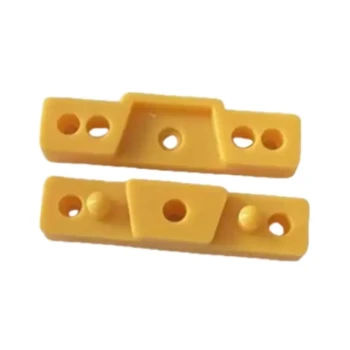
- Ergonomic Plastic Frame Spacer Tool for Rapid Hive Management Beekeeping
People Also Ask
- Why are professional hive tools considered indispensable? Master Beekeeping Maintenance with Precision Leverage
- What is the role of professional hive tools in routine apiary maintenance? Expert Tips for Hive Health and Longevity
- What are the benefits of a multi-functional hive tool? Streamline Your Apiary Workflow with One Tool
- What advantages do multi-functional hive tools offer? Maximize Your Apiary Efficiency and Workflow
- What are the common construction features of hive tools? Key Insights for Superior Beekeeping Efficiency