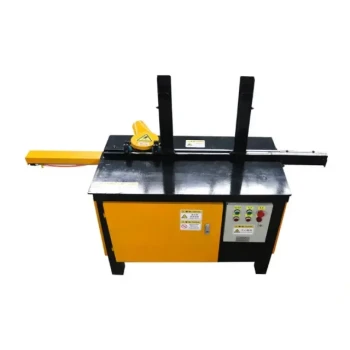
Specialized beekeeping equipment and hive-making machinery function as the critical hardware backbone of Integrated Pest and Pollinator Management (IPPM). By facilitating large-scale reproduction and scientific health management, this technology ensures pollinator populations remain robust enough to compensate for non-target pesticide losses while maintaining high pollination efficiency for commercial agriculture.
Within the IPPM framework, industrial-grade hardware moves beekeeping from a craft to a scalable science. It creates the standardized, resilient environments necessary to sustain pollinator density against the pressures of modern agricultural pest control.
The Role of Standardization in Colony Resilience
Precision Through Hive-Making Machinery
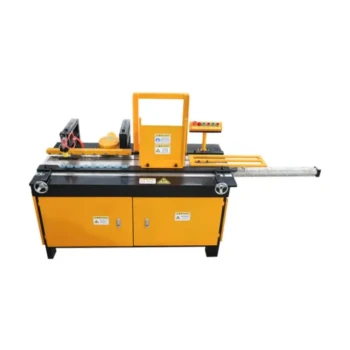
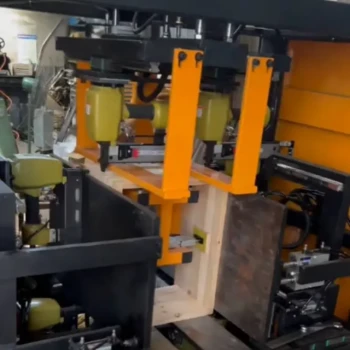
Industrial-grade hive-making machinery is essential for creating the physical foundation of a healthy apiary. By ensuring uniform specifications and tightly sealed structures, these machines produce hive components that are strictly interchangeable.
This precision eliminates gaps in the hive infrastructure that could expose bees to environmental stress or predators. A stable, standardized nesting environment effectively improves the overall resilience of the colony, allowing it to better withstand external agricultural pressures.
Scientific Breeding Environments
Beyond simple housing, specialized equipment supports the creation of scientific breeding environments. Standardized equipment allows apiarists to manage large-scale reproduction programs systematically.
This capability is vital for IPPM. By boosting reproduction rates, commercial beekeepers can regenerate populations to compensate for losses caused by pesticide exposure or habitat fragmentation, ensuring a continuous supply of pollinators.
Logistics and Stress Reduction in Migratory Pollination
The Logistical Foundation
Commercial pollination is inherently migratory, requiring bees to move between crops like clover, cotton, and citrus. Specialized transport vehicles and loading machinery provide the logistical foundation for this movement.
Without this specialized machinery, the sheer scale of moving thousands of hives to target crops would be impossible, breaking the link between the pollinator and the crop that needs protection.
Minimizing Transit Impact
Transporting bees is traumatic for the colony. High-performance handling equipment is designed to minimize vibrations and colony stress during transit.
Reducing travel stress ensures that bees can resume foraging activities almost immediately upon arrival. This maximizes nectar collection and pollination efficiency, which is critical when timing pollination windows alongside pest management schedules.
Enhancing Pest Management and Health Monitoring
Precision Tools for Pathogen Control
Effective IPPM requires rigorous monitoring of the bees themselves, not just the crops. Specialized tools, such as the hive tool (a steel pry-bar), allow beekeepers to pry apart propolis-sealed components to inspect the colony.
This access is crucial for detecting and managing pressures from mites, pathogens, and environmental fluctuations. Early detection allows for targeted intervention, preventing colony collapse in high-density agricultural systems.
Hardware as a Buffer
By improving management efficiency and monitoring precision, specialized equipment helps commercial apiaries maintain honeybee health despite the challenging environment.
This hardware support acts as a buffer, stabilizing the global food supply chain by ensuring that pollination services continue uninterrupted even when agricultural systems face high pest pressures.
Understanding the Trade-offs
The Cost of Standardization
While industrial-grade machinery improves efficiency, it requires significant capital investment. The shift toward high-precision mass production creates a barrier to entry for smaller operations that cannot afford specialized hive-making or transport machinery.
Maintenance vs. Intervention
Standardized equipment simplifies maintenance, but it also facilitates the rapid movement of pests if not managed correctly.
The same interchangeability that aids in replacing parts also means that equipment must be rigorously cleaned and monitored. Using standardized parts across different hives without proper hygiene can inadvertently spread pathogens faster than in isolated, non-standardized systems.
Integrating Hardware into Your IPPM Strategy
To effectively leverage this technology, align your equipment choices with your specific operational goals.
- If your primary focus is Commercial Pollination Efficiency: Prioritize high-performance transport vehicles and loading machinery to minimize colony stress and maximize foraging uptime during migration.
- If your primary focus is Colony Health and Population Stability: Invest in industrial-grade hive-making machinery to ensure standardized, tightly sealed environments that support scientific breeding and pest exclusion.
Success in IPPM relies on using precision hardware to turn fragile biological populations into resilient agricultural assets.
Summary Table:
| Feature | Impact on IPPM & Pollinator Health | Key Benefit |
|---|---|---|
| Hive-Making Machinery | Ensures standardized, tightly sealed structures. | Improves colony resilience & pest exclusion. |
| Scientific Breeding Tools | Facilitates large-scale, systematic reproduction. | Compensates for pesticide-driven losses. |
| Transport Machinery | Reduces vibration and transit stress during migration. | Maximizes immediate foraging & pollination uptime. |
| Health Monitoring Tools | Allows for early detection of mites and pathogens. | Prevents colony collapse in agricultural zones. |
| Interchangeable Parts | Streamlines apiary maintenance and scaling. | Enhances operational efficiency for large apiaries. |
Scale Your Pollination Success with HONESTBEE Precision Hardware
At HONESTBEE, we empower commercial apiaries and global distributors with the industrial-grade tools needed to lead the beekeeping industry. From high-precision hive-making machinery and automated honey-filling systems to a full spectrum of specialized beekeeping consumables, our solutions turn fragile biological operations into resilient agricultural assets.
Whether you are scaling your honey production or managing large-scale migratory pollination services, HONESTBEE provides the specialized hardware and cultural merchandise required to thrive in a modern IPPM framework.
Ready to upgrade your apiary’s efficiency? Contact us today to discuss your wholesale needs!
References
- Ngoc T. Phan, Neelendra K. Joshi. Agricultural pesticide regulatory environment for pollinator protection across geographical regions. DOI: 10.3389/fsufs.2023.1241601
This article is also based on technical information from HonestBee Knowledge Base .
Related Products
- High-Efficiency Pneumatic Bee Hive Making Machine for Rapid Box Assembly
- Beehive Handle and Frame Rest Cutting Machine: Your Specialized Hive Machine
- Mini Desktop Bee Hive Frame Forming Making Machine
- Automatic High-Speed Bee Hive Box Stapling Machine
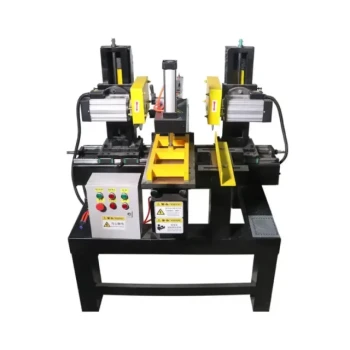
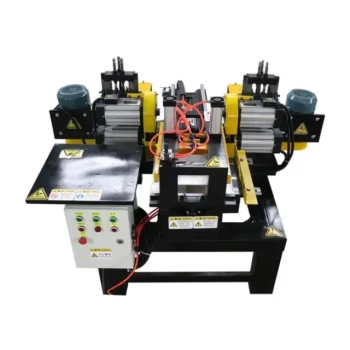
- Beehive Machine Double End Saw for Precision Hive Component Manufacturing
People Also Ask
- How does the introduction of professional beehive-making machinery benefit sustainable beekeeping? Scale Your Apiary
- Why is specialized beehive-making machinery critical for low-defense breeding? Enhance Selection with Precision Tools
- How does the introduction of specialized beehive making machinery contribute to increasing the scale of regional beekeeping industries?
- What is the importance of specialized beehive making machinery in a circular bio-economy? Build Local Sustainability
- Why is specialized beehive-making machinery essential? Scale Your Apiary with Precision Industrial Standards