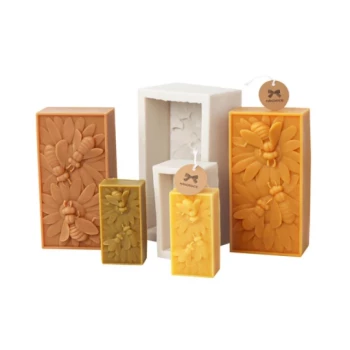
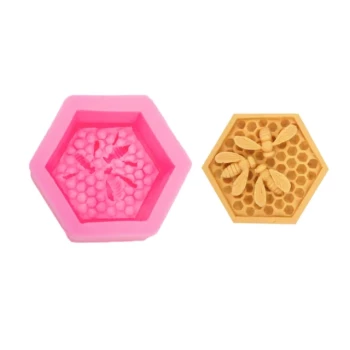
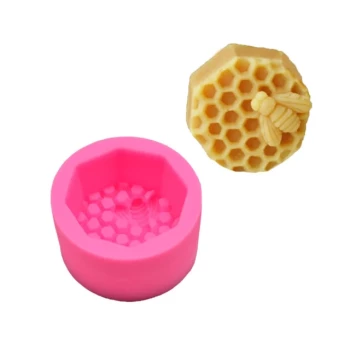
Specialized molding dies function as precision shaping tools. They operate by introducing heated natural beeswax or honey-based mixtures into custom-designed physical cavities. As the material cools and solidifies within the die, it takes on the specific artistic form or cultural symbol defined by the mold's internal structure.
Specialized dies bridge the gap between raw agricultural resources and high-value retail goods. By converting simple materials like beeswax into intricate cultural symbols, these tools allow producers to expand the industry value chain and create merchandise that resonates with tourists and consumers.
The Mechanics of Material Transformation
Utilizing Physical Cavities
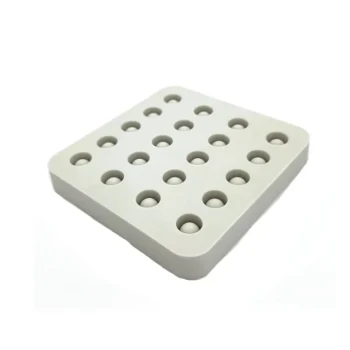
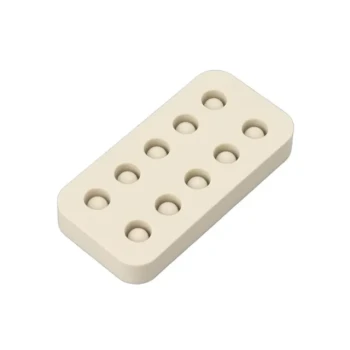
The core function of the die relies on its internal physical cavity, which acts as a negative image of the final product. This space is engineered to match the exact dimensions and details of the intended design. The die physically constrains the material to ensure uniformity across production runs.
Processing Heated Mixtures
To function correctly, the raw materials—specifically natural beeswax or honey-based compounds—must be heated until they reach a fluid state. This thermal preparation allows the substance to flow into the die, filling every crevice of the cavity. Once the material cools, it retains the precise shape dictated by the die.
Expanding the Value Chain
Creating High-Value Cultural Products
These dies enable producers to transition from selling raw ingredients to selling finished, artistic goods. This shift from commodity to manufactured product significantly increases the market value of bee-derived resources. It transforms a basic agricultural output into a premium consumer item.
Designing for Tourism and Culture
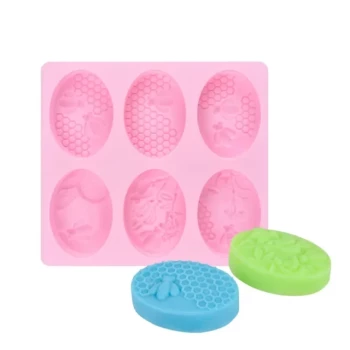
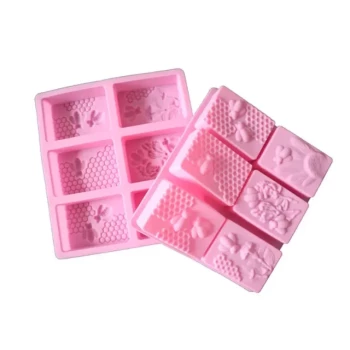
Manufacturers use these tools to imprint cultural symbols directly onto the product. This capability is essential for producing aesthetically pleasing souvenirs that capture local identity. The die functions not just as a manufacturing tool, but as a vessel for cultural expression.
Operational Considerations and Limitations
The Necessity of Precision Design
The quality of the final outcome is entirely dependent on the accuracy of the die's design. Because the goal is to create aesthetically pleasing products, any imperfection in the die's cavity will be replicated in the final merchandise. High-value output requires dies manufactured with exacting standards.
Material constraints
The functionality of these dies is limited to materials that respond predictably to thermal cycling. The process is specifically tuned for beeswax and similar mixtures that can transition fluidly between liquid and solid states. The dies must be robust enough to withstand the repeated heating and cooling required for volume production.
Strategic Application in Merchandise Production
To maximize the value of honey-themed merchandise, you must align your tooling strategy with your end-market goals.
- If your primary focus is artistic quality: Prioritize dies with high-definition physical cavities to ensure complex cultural symbols are rendered clearly.
- If your primary focus is economic growth: Use these dies to vertically integrate, moving away from selling raw wax to producing finished tourism souvenirs.
Leveraging specialized dies effectively transforms a simple commodity into a durable cultural asset.
Summary Table:
| Feature | Function in Production | Impact on Value Chain |
|---|---|---|
| Physical Cavities | Defines intricate shapes and cultural symbols | Elevates raw materials to artistic goods |
| Thermal Processing | Manages liquid-to-solid beeswax transition | Ensures consistency in mass production |
| Precision Design | Replicates high-definition aesthetic details | Increases marketability for tourism |
| Vertical Integration | Moves production from raw wax to finished items | Maximizes profit margins per unit |
Elevate Your Bee-Product Brand with HONESTBEE
Are you looking to transform your raw beeswax and honey into high-margin cultural merchandise? HONESTBEE provides commercial apiaries and distributors with the professional-grade tools and machinery needed to scale production. From specialized molding dies for artisanal candles to advanced honey-filling and hive-making machines, our comprehensive wholesale catalog is designed to optimize your efficiency and expand your product line.
Ready to grow your value chain? Contact our experts today to discover how our industry-leading beekeeping equipment and consumables can help you create premium products that resonate with your customers.
References
- Rodrigo Tovar Cabañas, Shany Arely Vázquez Espinosa. Potencial turístico y apiturismo en Nuevo León. DOI: 10.17979/rotur.2022.16.1.8657
This article is also based on technical information from HonestBee Knowledge Base .
Related Products
- Colorful Silicone Beeswax Foundation Mold Mould for Beekeeping
- 3D Square Honeycomb Pillar Silicone Candle Molds for Making Beeswax Candles
- High-Efficiency 20-Cell Silicone Mold for Beeswax Bee Queen Cup Production
- Notebook Style Beeswax Foundation Mould Wax Foundation Mold
- 10-Cell Silicone Beeswax Bee Queen Cups Forming Mold
People Also Ask
- How do beeswax foundation molds facilitate the construction of standardized honeycombs? Optimize Your Apiary Efficiency
- How do you use the Foundation Mold to create beeswax foundation? Master DIY Beekeeping with Precision
- How can beeswax value-addition processes be utilized to increase beekeeping revenue? Boost Your Apiary Profitability
- What is the first tip for pouring beeswax into a silicone mold? Ensure a Perfect Release
- Why are specific wax foundation molds used to downsize brood cells? Master Mechanical Pest Inhibition