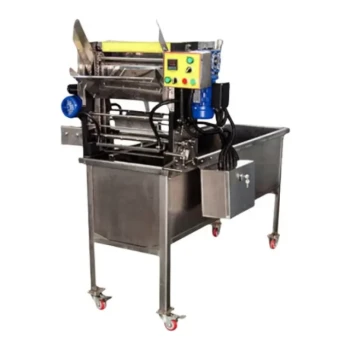
Nectar source plant distribution surveys serve as the foundational blueprint for designing the infrastructure of a large-scale apiary. By analyzing the coverage density and flowering periods of core vegetation, such as alfalfa and legumes, operators can accurately size their automated extraction and bottling lines to match predicted harvest volumes. This data-driven approach allows for precise logistical site selection, ensuring processing facilities are located to minimize transport time and operational bottlenecks.
The correlation between vegetation surveys and equipment configuration transforms beekeeping from a reactive practice to a predictive industrial operation, synchronizing machine throughput with natural bloom cycles to optimize cost and quality.
Optimizing Capacity and Logistics
The primary value of a distribution survey lies in its ability to predict the volume and timing of raw material flow. This directly dictates the physical setup of your processing plant.
Calibrating Equipment Throughput
The coverage density of nectar plants is the leading indicator of potential honey volume. High-density areas require industrial-grade extraction and filtration systems capable of handling massive surges in raw material.
If surveys indicate dense concentrations of high-yield plants, the facility must configure high-capacity centrifugal spinners and filtration units. Undersizing equipment in these zones leads to production backlogs, while oversizing results in unnecessary capital expenditure.
Strategic Site Selection
Logistical site selection for processing equipment should not be arbitrary; it must be geographically centered around high-density nectar zones.
Placing automated extractors and bottling lines closer to these core vegetative areas drastically reduces raw material transportation costs. Shorter travel distances also mean the honey enters the processing stream sooner, preserving its natural state.
synchronizing with Flowering Periods
Different plants, such as legumes or alfalfa, have distinct flowering periods. Surveys map these temporal windows, allowing facility managers to anticipate peak operational stress.
Equipment configuration must be flexible enough to operate at maximum efficiency during these specific harvest windows. This ensures that the automated systems are not overwhelmed when the nectar flow is at its highest.
Enhancing Quality and Efficiency
Beyond mere volume handling, the configuration of machinery based on survey data directly impacts the quality of the final product.
Improving Honey Freshness
The speed of processing is critical. By aligning facility location and capacity with survey data, you minimize the time honey sits in transit or storage before processing.
Rapid entry into the filtration and dehydration stages helps maintain the honey's freshness. This is vital for preserving the physical and chemical profile of the product.
Streamlining the Industrial Chain
Automated filling equipment offers high-precision quantitative filling and rapid adjustments for various packaging specs. However, this efficiency is wasted if the upstream supply is inconsistent.
Using survey data to predict supply helps integrate these high-tech filling systems seamlessly into the workflow. It creates a standardized chain where resource collection and product distribution are perfectly matched.
Understanding the Trade-offs
While aligning equipment with botanical surveys is the gold standard for efficiency, it introduces specific risks that must be managed.
Static Infrastructure vs. Dynamic Nature
Processing facilities are generally static, fixed assets, whereas nectar sources are biological and subject to change. A facility placed perfectly for current vegetation patterns may become less optimal if land use or climate conditions shift plant distribution over decades.
The Risk of Over-Optimization
Configuring capacity strictly for the absolute peak of the flowering period can lead to equipment sitting idle during off-peak months. Operators must balance the need to handle peak loads with the financial reality of equipment utilization rates.
Making the Right Choice for Your Operations
To effectively leverage survey data for your apiary's infrastructure, consider your specific operational goals.
- If your primary focus is Cost Reduction: Prioritize site selection based on plant density to minimize transportation logistics and fuel expenditures.
- If your primary focus is Product Quality: Configure high-throughput automation to ensure immediate processing during peak blooms, maximizing freshness and bioactive preservation.
By treating the natural distribution of nectar sources as a hard data point, you turn the variable nature of beekeeping into a manageable, scalable industrial process.
Summary Table:
| Survey Metric | Equipment Configuration Impact | Operational Benefit |
|---|---|---|
| Coverage Density | Scales extraction & filtration capacity | Prevents bottlenecks & minimizes CAPEX |
| Flowering Periods | Informs peak-load scheduling | Optimizes machine throughput vs. bloom cycles |
| Geographic Distribution | Dictates facility site selection | Reduces transport costs & preserves freshness |
| Plant Species Profile | Adjusts filtration & dehydration settings | Maintains honey's physical & chemical profile |
Maximize Your Harvest Efficiency with HONESTBEE
Transition from reactive beekeeping to a predictive industrial operation. At HONESTBEE, we empower commercial apiaries and distributors with the high-capacity machinery needed to match natural nectar cycles.
Whether you require industrial-grade hive-making machines, high-speed honey-filling lines, or a full spectrum of specialized beekeeping tools and consumables, our wholesale offerings are designed to scale with your ambition. Let us help you synchronize your facility's throughput with your local flora to reduce costs and enhance product quality.
Ready to upgrade your infrastructure? Contact our expert team today to find the perfect equipment configuration for your apiary.
References
- Mahir Murat Cengiz, Muhammet Ali Tunç. Distribution of some important honey plants visited by honey bees for feeding purposes in Narman (Erzurum, Turkey) natural pasture vegetation. DOI: 10.5281/zenodo.5919531
This article is also based on technical information from HonestBee Knowledge Base .
Related Products
- Fully Automatic Honey Filling Packaging Machine for Processing Line
- Automatic Honey Filling and Filtering Machine for Beekeeping Bottle Filling
- Manual Honey Filling Machine Bottling Machine for Honey
- Automatic Single-Dose Snap & Squeeze Honey Sachets Packing Machine
- Electric Double Wall Honey Filtering Machine Purifier Equipment for Honey Processing Plant
People Also Ask
- Why are fully automatic honey filling and packaging lines essential? Boost Your Honey's Market Value and Quality
- What is a fully-automatic honey filler? Streamline Your Production with High-Precision Automation
- How do automated honey filling and packaging machines affect profitability? Boost Margins with HONESTBEE Technology
- How do automated honey filling and packaging machines contribute to the market value of honey products? Maximize Your ROI
- How do industrial-grade automated honey filling and packaging machines mitigate the risk of physical contamination?