Cold-climate honeybees do not survive winter by eliminating ventilation; they survive by controlling heat loss while maintaining a stable, dry microclimate. Their tight winter clusters, reduced brood rearing, extended retention of waste, and extensive propolis sealing indicate that commercial hives must be manufactured with accurate joints, consistent dimensions, and controllable openings. For distributors, wholesalers, and commercial beekeepers, this translates into demand for precision hive-making machinery, standardized components, insulated covers, entrance reducers, feeding systems, and fast summer harvesting equipment.
The central purchasing principle is to match equipment to both bee biology and climate. Precision manufacturing reduces unnecessary drafts and assembly problems, while adjustable winterization equipment lets operators manage ventilation, insulation, food reserves, and hive volume as conditions change.
What Cold-Climate Behavior Requires From Hive Equipment
Tight Clusters Depend on Stable Hive Geometry
Cold-adapted colonies form compact clusters that generate and conserve heat through collective metabolism. Poorly fitted joints and inconsistent hive dimensions create uncontrolled drafts, increasing the energy bees must use to maintain cluster temperature.
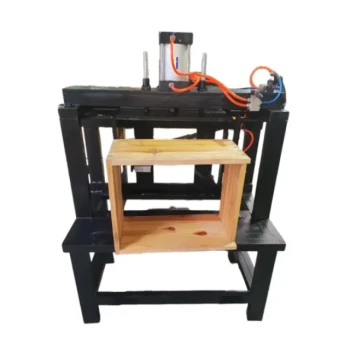
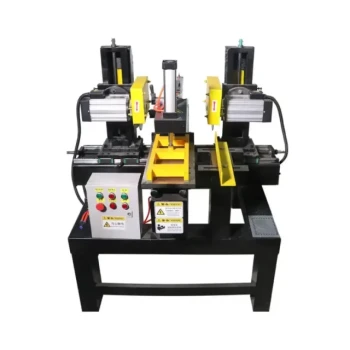
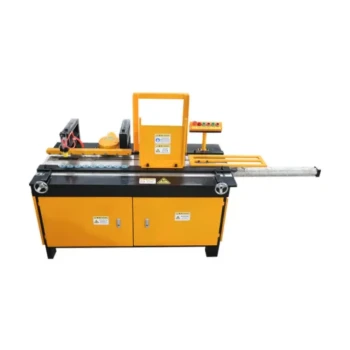
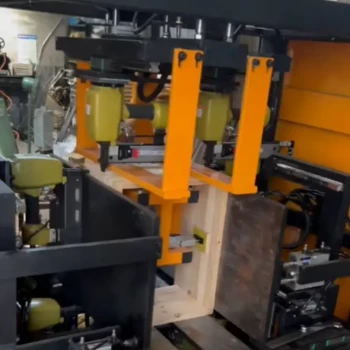
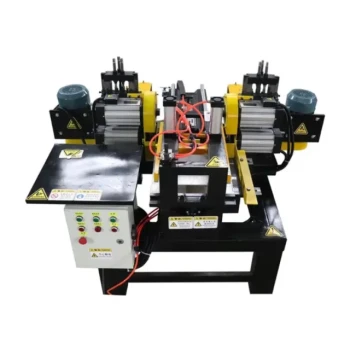
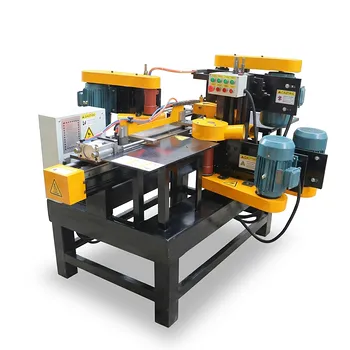
High-precision hive-making machinery should therefore produce brood boxes, supers, covers, and bottom boards with repeatable dimensions and tight-fitting joints. CNC routers, precision saws, drilling systems, and assembly equipment are valuable when they maintain consistent tolerances across large production runs.
Propolis Sealing Should Supplement Manufacturing Precision
Bees naturally seal cracks and openings with propolis collected from plant materials. This behavior is useful, but commercial operations should not depend on bees to correct excessive manufacturing gaps.
Accurate machining reduces the amount of resin required for basic hive sealing and makes spring inspections more practical. Components that fit consistently are easier to stack, repair, replace, and distribute across standardized apiary systems.
Reduced Brood Rearing Changes the Equipment Burden
As temperatures and forage availability decline, colonies generally reduce brood production to conserve energy and food stores. Winter equipment should support this low-activity state rather than encourage unnecessary hive volume or disturbance.
Adjustable entrance reducers, insulated covers, division boards, and modular hive bodies allow beekeepers to control the colony's usable space. Standardized components also make it easier to reduce or expand hive volume according to colony strength.
Ventilation Must Be Controlled, Not Eliminated
Thermal retention is important, but a completely airtight hive can trap moisture from colony respiration and condensation. Excess moisture can be as damaging as cold air, particularly when it accumulates above or within the winter cluster.
Winterization equipment should combine insulation with managed ventilation. Entrance reducers, upper ventilation options where appropriate, moisture-absorbing materials, and correctly fitted covers should be selected as a coordinated system.
How Subspecies and Climate Change the Product Mix
Harsh Continental Climates Need More Thermal Protection
Regions with temperatures near -20°C to -34°C and short summers place severe limits on colony expansion and honey production. In these markets, insulated hive wraps, thermal covers, entrance reducers, and indoor wintering equipment can be core products rather than optional accessories.
Manufacturers and distributors should also consider the practical handling requirements of wrapped hives. Covers and wraps need durable materials, secure fastening, weather resistance, and dimensions that match standardized hive bodies.
Large Autumn Brood Areas Increase Feeding Demand
Some honeybee lines maintain larger populations and continue rearing brood later into autumn. This can increase honey consumption and leave colonies vulnerable to starvation when late-season weather disrupts foraging.
Commercial operations managing these colonies may require feeder rims, division board feeders, rapid liquid feeders, supplemental feeding equipment, and inspection tools. Product portfolios should account for this demand rather than treating winterization as insulation alone.
Compact Clusters Favor Efficient Hive Insulation
Other cold-adapted lines cease brood production earlier and form compact winter clusters. These colonies may require less intervention, but they still benefit from accurate hive construction, appropriate insulation, controlled entrances, and sufficient food reserves.
The equipment objective is to preserve the colony's natural efficiency without creating excessive unused space or restricting necessary airflow.
Regional Ecotypes Affect Hive Modularity
Honeybee behavior varies across agroecological zones. Differences in defensiveness, swarming tendency, colony growth, and flowering-period activity affect how much space colonies need and how frequently beekeepers must intervene.
Modular hives with standardized frames and controllable internal volume give commercial operators greater flexibility. The same basic hive platform can support different colony sizes, regional management practices, and seasonal production schedules.
Machinery Requirements for Commercial Hive Manufacturing
Dimensional Accuracy Supports Interchangeability
Standardized frames and hive bodies reduce labor during inspections, repairs, transport, and honey harvesting. They also allow distributors to maintain a reliable inventory of compatible replacement parts.
Machinery should support repeatable cutting, routing, drilling, joint formation, sanding, and assembly. Quality control should verify internal dimensions, frame rests, entrance openings, cover fit, and component squareness.
Joint Construction Affects Thermal Performance
The thermal value of a hive depends partly on how well its components meet. Gaps at box joints, corners, covers, and bottom boards can increase drafts and force bees to consume more energy for heating.
Manufacturing lines should prioritize accurate joinery and stable materials. Equipment that reduces dimensional variation can improve both winter performance and customer confidence in replacement components.
Durable Components Reduce Seasonal Failure
Winter equipment is exposed to moisture, freezing temperatures, wind, handling, and repeated installation. Hive-making machinery should be selected with the intended material, production volume, and required finish in mind.
For commercial buyers, durability includes more than wood thickness. It also includes consistent fastener placement, clean edges, reliable cover seating, and compatibility with wraps, feeders, reducers, and transport systems.
Short Summers Require High-Throughput Harvesting
Cold regions often provide a narrow window for colony buildup and honey collection. Once the flowering period begins, commercial apiaries may need to process honey rapidly before weather turns unfavorable.
High-efficiency extractors, uncapping equipment, pumps, filters, and filling machinery should be sized for the operation's expected throughput. Equipment must also handle the viscosity and volume of the honey being processed without becoming a bottleneck.
Designing a One-Stop Commercial Supply Portfolio
Pair Production Machinery With Winterization Hardware
A hive-making machine is more valuable to commercial customers when supported by a complete ecosystem of compatible products. This can include standardized frames, brood boxes, supers, bottom boards, covers, entrance reducers, feeder rims, feeders, wraps, and inspection tools.
A one-stop sourcing model reduces compatibility risk and simplifies procurement for distributors and large apiaries. It also allows suppliers to respond to seasonal demand with coordinated product packages.
Stock Climate-Specific Product Packages
A cold continental apiary may need a different product mix from an operation in a milder region. Insulated wraps, thermal covers, and supplemental feeding systems should be emphasized for severe winters, while modular hive bodies and rapid harvesting equipment may be more important in short but intense flowering seasons.
Distributors can organize inventory by climate and management profile rather than offering identical equipment to every market. This improves sales relevance and helps customers select equipment based on operating conditions.
Maintain Fast Fulfillment Around Seasonal Deadlines
Beekeeping purchases are highly seasonal. Delays before winter preparation or during a short honey flow can have direct operational and financial consequences.
Suppliers serving this market should combine responsive customer service with accurate inventory information, standardized product specifications, and efficient order fulfillment. Rapid delivery is particularly important for replacement covers, feeders, frames, and hive components needed during active seasonal work.
Understanding the Trade-offs
Maximum Tightness Can Create Moisture Problems
Reducing uncontrolled gaps improves heat retention, but excessive sealing without a ventilation strategy can increase condensation. Hive hardware should control airflow rather than simply attempt to block it.
The correct specification is a precise, weather-resistant enclosure with deliberate ventilation paths and adjustable entrances.
Insulation Adds Cost and Handling Complexity
Insulated covers and wraps can improve thermal stability, but they increase material cost, storage requirements, installation time, and transport bulk. They may also complicate inspections if they are difficult to remove or reinstall.
Commercial buyers should evaluate thermal performance alongside durability, fastening systems, dimensions, and labor requirements.
Standardization Does Not Eliminate Biological Variation
Standardized equipment improves interchangeability, but bee colonies are not uniform. Colony size, genetics, forage availability, disease pressure, and local weather still determine the appropriate hive volume and intervention level.
Modularity is therefore more valuable than a single fixed configuration. Equipment should allow operators to adapt space, entrances, insulation, and feeding arrangements.
More Equipment Can Encourage Excessive Intervention
Feeding systems, monitoring tools, and adjustable hardware are useful when applied to a clear management need. Unnecessary handling during cold weather can disturb the cluster and increase stress.
Product guidance should include operating conditions, seasonal timing, and compatibility information so customers can use equipment appropriately rather than adding complexity without benefit.
Making the Right Choice for Your Goal
Select equipment according to the colony's wintering behavior, local climate, production schedule, and required operating scale.
- If your primary focus is precision hive manufacturing: Choose machinery that delivers repeatable dimensions, accurate joinery, standardized frame interfaces, and reliable quality control across high-volume production.
- If your primary focus is severe-winter colony survival: Prioritize insulated hive wraps, thermal covers, adjustable entrance reducers, controlled ventilation components, and compatible indoor wintering equipment.
- If your primary focus is colonies with high late-season brood demand: Stock feeder rims, division board feeders, rapid liquid feeders, supplemental feeding equipment, and inspection tools.
- If your primary focus is short-season honey production: Invest in high-throughput uncapping, extraction, pumping, filtering, and filling machinery that can process honey quickly during limited bloom periods.
- If your primary focus is distribution and wholesale sales: Build a climate-specific, standardized product portfolio supported by responsive service, accurate specifications, and fast seasonal fulfillment.
- If your primary focus is managing diverse bee ecotypes: Use modular hive systems with controllable volume, interchangeable frames, adjustable entrances, and species-appropriate component dimensions.
The strongest commercial solution combines manufacturing precision with adaptable winterization, allowing equipment to support the bees' natural survival strategy without restricting sound colony management.
Summary Table:
| Aspect | Cold-Climate Behavior | Equipment Implication |
|---|---|---|
| Cluster Formation | Tight clustering to conserve heat | Precision hive manufacturing with accurate joints and dimensions |
| Propolis Sealing | Bees seal gaps with propolis | Minimize gaps through precise machining to reduce propolis use |
| Reduced Brood Rearing | Lower activity to save energy | Adjustable hive components to control space and reduce disturbance |
| Ventilation | Manage moisture while retaining heat | Use entrance reducers and insulated covers with controlled airflow |
| Climate Variability | Regional differences in temperature and brood patterns | Offer climate-specific product packages (wraps, feeders, insulation) |
| Short Summers | Intense but brief honey flows | High-throughput extraction and filling machinery |
For commercial apiaries and distributors needing precision hive-making machinery and winterization equipment tailored to cold climates, HONESTBEE offers a comprehensive wholesale portfolio. We provide everything from CNC routers and assembly lines to insulated covers and rapid feeding systems, all backed by fast delivery and expert support. Optimize your operations and ensure colony survival — contact us today at #ContactForm to discuss your bulk requirements. Benefit from OEM/ODM support, certified quality, and a one-stop solution that maximizes your profitability.
Related Products
- High-Efficiency Pneumatic Bee Hive Making Machine for Rapid Box Assembly
- Beehive Machine Double End Saw for Precision Hive Component Manufacturing
- Beehive Handle and Frame Rest Cutting Machine: Your Specialized Hive Machine
- Mini Desktop Bee Hive Frame Forming Making Machine
- Automatic High-Speed Bee Hive Box Stapling Machine
People Also Ask
- How does the introduction of professional beehive-making machinery benefit sustainable beekeeping? Scale Your Apiary
- Why is specialized beehive-making machinery critical for low-defense breeding? Enhance Selection with Precision Tools
- What is the industrial value of high-efficiency beehive manufacturing machinery for large-scale apiaries? Scale Efficiency
- How does the introduction of specialized beehive making machinery contribute to increasing the scale of regional beekeeping industries?
- What is the importance of specialized beehive making machinery in a circular bio-economy? Build Local Sustainability