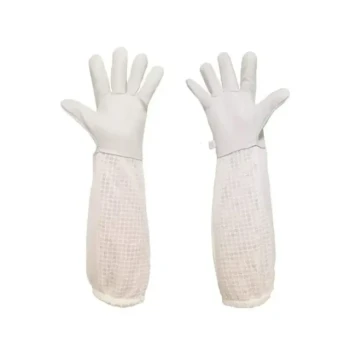
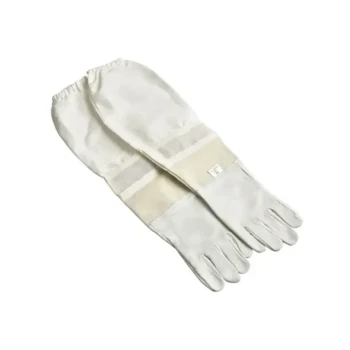
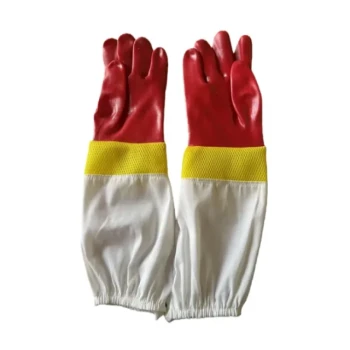
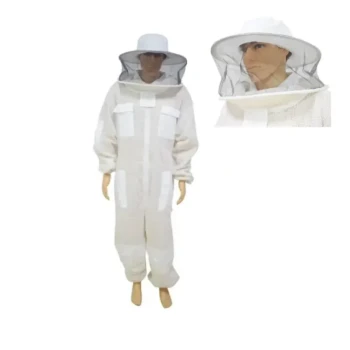
Ventilated beekeeping gloves function by integrating breathable materials, typically mesh panels near the wrist or gauntlet, to facilitate active airflow around the hands. This design mechanism directly counteracts the buildup of heat and perspiration inside the glove, ensuring that your hands remain dry rather than becoming slippery from sweat. By preventing moisture accumulation, these gloves allow you to maintain tactile control and a secure grip on hive tools and frames, even during peak summer temperatures.
While standard leather gloves act as insulators that trap heat, ventilated gloves utilize airflow to manage moisture, transforming a potential safety hazard—slippery, sweaty hands—into a stable platform for precision work.
The Mechanics of Airflow and Comfort
Breaking the Heat Seal
Traditional leather gloves often act as a barrier that seals heat against the skin. Ventilated gloves break this seal by incorporating synthetic mesh sections.
This construction allows ambient breezes to penetrate the glove structure. This is critical in hot climates where internal glove temperatures can otherwise rise rapidly to uncomfortable levels.
Moisture Management
The primary enemy of glove performance is not just heat, but perspiration. When hands sweat inside a sealed glove, the interior becomes slick.
Ventilated designs allow sweat to evaporate rather than pool against the skin. This keeps the operator's hands drier, significantly improving overall comfort during long inspections.
Operational Performance and Dexterity
Enhancing Grip Stability
Performance in beekeeping relies heavily on the ability to manipulate heavy frames and delicate tools. Moisture buildup compromises grip.
By keeping the hands dry, ventilated gloves ensure a secure hold on hive components. This reduces the risk of dropping frames—an error that can crush bees, damage comb, and agitate the colony.
Reducing Fatigue
Ventilated gloves are generally constructed from lighter materials than heavy-duty, full-grain leather.
This reduction in weight, combined with cooler hands, leads to less operator fatigue. A comfortable beekeeper is more likely to move smoothly and deliberately, which is the key to keeping a hive calm.
Understanding the Trade-offs
Vulnerability of Mesh Areas
There is an inherent compromise in the design: mesh is not as impenetrable as leather.
While the ventilation panels provide air, they also present a potential entry point for stings if the material is pressed tightly against the skin. Aggressive bees are more likely to sting through mesh than through thick hide.
Durability Limitations
The materials used for ventilation are generally less robust than traditional leather.
You should expect a shorter lifespan from ventilated gloves. The mesh components are more susceptible to snagging on hive hardware or tearing during rigorous apiary work compared to solid leather counterparts.
Making the Right Choice for Your Goal
To select the correct gear, you must weigh the necessity of comfort against the risk of exposure.
- If your primary focus is working in extreme heat: Prioritize gloves with extended mesh cuffs to maximize evaporation and maintain the grip stability required for precision work.
- If your primary focus is maximum durability or working with aggressive hives: Recognize that the comfort of ventilation comes with a higher risk of sting penetration and faster material wear than solid leather.
By selecting the right balance of ventilation and protection, you ensure that your focus remains on the colony's health rather than your own discomfort.
Summary Table:
| Feature | Ventilated Gloves | Traditional Leather Gloves |
|---|---|---|
| Primary Benefit | Active airflow & cooling | Maximum sting protection |
| Moisture Control | High (evaporates sweat) | Low (traps perspiration) |
| Grip Stability | Secure (keeps hands dry) | Variable (slippery when sweaty) |
| Material Weight | Lightweight & breathable | Heavier & insulating |
| Durability | Moderate (mesh can snag) | High (abrasion resistant) |
| Best Use Case | Commercial apiaries in hot climates | Managing aggressive colonies |
Elevate Your Apiary Operations with HONESTBEE
At HONESTBEE, we understand that for commercial apiaries and distributors, operator efficiency is just as vital as honey yield. Our comprehensive wholesale range includes high-performance ventilated gloves designed to keep your team comfortable and precise during the most demanding summer harvests.
From specialized beekeeping tools and essential consumables to advanced hive-making and honey-filling machinery, we provide the full spectrum of equipment needed to scale your business. Partner with a supplier who values your performance.
Contact HONESTBEE Today to Discuss Your Wholesale Needs
Related Products
- Premium Ventilated Goatskin Beekeeping Gloves with Full 3-Layer Mesh Sleeve
- Goatskin Leather Beekeeper Gloves with Vent Long Sleeve for Beekeeping Honey Bee Sting Proof Protection
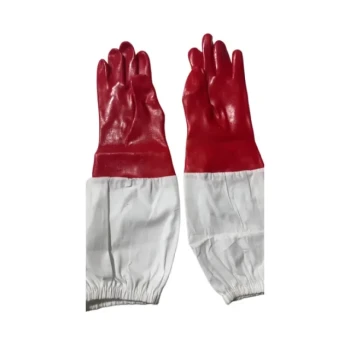
- Heavy Duty Red Rubber Beekeeping Gloves with Vented Mesh Cotton Sleeves
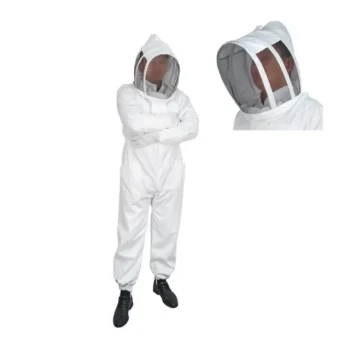
- Three-Layer Ventilated Beekeeper Suit with Structured Fencing Veil
- Vented Beekeeping Jacket with Hood and Veil for Beekeepers
People Also Ask
- What are the differences between cow leather and goat leather for beekeeping gloves? Protection vs. Dexterity
- Which type of gloves provide the most sting resistance? The Definitive Guide to Beekeeping Hand Protection
- What are beekeeping gloves? Essential Protection for Safer Hive Management
- When might a beekeeper decide to work without gloves? Master Hive Finesse and Dexterity
- Why is cleaning beekeeping gloves necessary? Vital Steps for Apiary Biosecurity and Hive Management