Wax moth infestations can rapidly turn stored comb and hive equipment into unusable assets. Their larvae tunnel through beeswax, consume pollen, honey, brood residues, and cast skins, and leave behind silk webbing, frass, and pupal cocoons. In weak colonies or neglected storage areas, severe infestations can destroy brood comb, damage woodenware, and contribute to colony absconding.
The most effective defense is integrated equipment and colony management: keep colonies strong, remove wax and organic debris routinely, inspect stored comb frequently, and isolate or treat infested equipment before the pest spreads.
How Wax Moths Damage Beekeeping Equipment
Larvae Destroy Comb from the Inside
Greater wax moths (Galleria mellonella) and lesser wax moths (Achroia species) lay eggs near comb-filled frames. After hatching, larvae tunnel through the comb while feeding on wax, pollen, honey, brood remains, and larval skins.
Their silk-lined tunnels weaken the comb and leave a characteristic web-like mess. Dark brood comb is especially vulnerable because it contains more pollen, cocoons, and organic residue.
Stored Woodenware Can Also Be Damaged
Heavy infestations may extend beyond the wax. Mature larvae can hollow shallow depressions in wooden frames and box walls while preparing to spin cocoons and pupate.
This means wax moth prevention is not limited to protecting the comb itself. Frames, supers, hive bodies, and other stored components can also lose structural value.
Weak Colonies Are at Greater Risk
Strong colonies can patrol and defend their comb, limiting opportunities for wax moths to establish. Weak, stressed, queenless, or recently abandoned colonies cannot provide the same protection.
As damage progresses, bees may abscond from heavily infested equipment. For commercial apiaries, this creates both direct replacement costs and additional disruption to colony production.
Which Conditions Encourage Infestations?
Accumulated Wax and Organic Debris
Wax scraps, pollen residues, cast larval skins, and debris on bottom boards provide suitable food and breeding material. Neglected hive interiors therefore create conditions in which moth populations can increase quickly.
Regular removal of these materials is a basic but important sanitation measure.
Old, Dark Brood Comb
Dark brood comb is more attractive to wax moth larvae than clean foundation because it contains concentrated pollen and brood residues. Retiring excessively old comb reduces the amount of vulnerable material available to the pest.
Stored comb should be as free as possible from pollen, brood debris, and abandoned organic material.
Poorly Managed Storage
Stored supers and frames require active monitoring rather than passive protection. Inspect them for webbing, frass, pupal cocoons, larval tunnels, and other signs of activity.
Cool, well-ventilated storage with light spacing between boxes can make conditions less favorable for infestation. Equipment should also be protected from unnecessary moisture and kept organized so inspections are practical.
Hive Maintenance Practices That Manage Wax Moths
Maintain Strong, Well-Fed Colonies
Colony strength is the primary biological defense against wax moths. Beekeepers should maintain healthy populations, provide adequate food during dearth periods, and address stress factors promptly.
Where appropriate, combining weak colonies during periods of limited forage can reduce the amount of unguarded comb. Colonies weakened after swarming deserve particular attention because reduced bee populations may leave comb exposed.
Clean Bottom Boards and Hive Components
Remove accumulated wax fragments and organic debris from bottom boards on a routine schedule. During peak wax moth activity, commercial operations may benefit from bi-weekly hive cleanings, adjusted to local conditions and infestation pressure.
Hive tools, boxes, frames, and other reusable components should also be cleaned regularly. Sanitation removes food sources before larvae can establish.
Remove Abandoned and Excessively Old Comb
Do not leave abandoned comb or surplus frames exposed inside weak or empty colonies. Remove, inspect, and process this equipment promptly.
Old brood comb should be rotated out of service rather than stored indefinitely. Clean, refined beeswax foundation generally presents less risk than unprocessed wax residues and heavily contaminated brood comb.
Inspect Stored Equipment Frequently
Stored boxes should be checked for webbing, frass, cocoons, and larvae. Early detection allows operators to isolate affected equipment before moths spread through an entire storage area.
For distributors, wholesalers, and commercial beekeepers, inspection records and clear stock rotation procedures help prevent infested equipment from entering available inventory.
Improve Hive Ventilation and Physical Condition
Adequate ventilation helps maintain a less favorable storage and hive environment. Well-maintained equipment with sound construction and minimal unnecessary gaps can also reduce places where adult moths may access or lay eggs.
Equipment quality does not replace colony strength or sanitation, but durable, well-fitting hive bodies and frames support more consistent pest management.
Treating Infested Comb and Equipment
Minor Infestations Can Be Recovered
When damage is limited, manually remove visible larvae, webbing, and cocoons. After physical cleaning, freezing the affected components can kill wax moths at multiple life stages, including eggs and larvae.
The treatment must address the entire component, not only the visibly damaged area. Otherwise, hidden eggs or larvae may restart the infestation after the equipment returns to storage.
Severe Damage May Not Be Economical to Save
Extensively damaged comb may be beyond practical recovery. In those cases, burning the affected comb and starting over is often the most efficient way to prevent continued spread.
Woodenware that remains structurally sound may be cleaned and evaluated separately, but severely compromised frames or boxes should not be returned to service without careful assessment.
Choose Storage Treatments Carefully
Freezing, cool ventilated storage, and approved biological treatments such as Bacillus thuringiensis products are among the management options referenced for stored comb. Any treatment must be compatible with local regulations, equipment labeling, and honey and wax safety requirements.
Para-dichlorobenzene crystals should be avoided because beeswax can absorb chemical residues, potentially contaminating stored honey and wax.
Understanding the Trade-offs
Frequent Cleaning Requires Operational Discipline
Bi-weekly cleaning during peak activity can reduce breeding sites, but it requires labor, scheduling, and access to suitable hive maintenance tools. For large apiaries, standardized inspection routes and readily available replacement components improve consistency.
The cost of routine sanitation is generally easier to control than the cost of replacing damaged comb, frames, and hive bodies.
Strong Colonies Are Not a Complete Solution
Healthy colonies provide effective protection, but they can still be overwhelmed by excessive moth pressure, abandoned comb, or poor storage practices. Colony management must therefore be combined with equipment inspection and sanitation.
Treating only the bees or only the stored equipment leaves a significant part of the risk unmanaged.
Salvage Versus Replacement Requires Judgment
Recovering lightly infested equipment can preserve asset value, while trying to save severely damaged comb can consume labor and allow pests to spread. The decision should consider the extent of damage, the condition of the woodenware, treatment capacity, and the risk of reinfestation.
A reliable supply of quality frames, foundation, boxes, and cleaning tools helps commercial operators replace unsafe equipment without delaying operations.
How to Apply This to Your Operation
Use a preventive program that combines colony management, sanitation, storage controls, and rapid access to replacement equipment.
- If your primary focus is protecting active colonies: Maintain strong, adequately fed colonies, remove wax and bottom-board debris, and respond quickly to weak or abandoned hives.
- If your primary focus is protecting stored comb: Inspect supers and frames frequently, remove old or contaminated comb, and use freezing or other suitable treatments when infestation is detected.
- If your primary focus is minimizing equipment losses: Separate salvageable components from severely damaged comb, clean reusable woodenware, and replace structurally compromised frames or boxes.
- If your primary focus is commercial supply reliability: Standardize inspection and cleaning procedures while sourcing dependable hive components and sanitation tools through suppliers with broad inventory and responsive fulfillment.
Consistent hive maintenance turns wax moth control from an emergency response into a manageable operating system.
Summary Table:
| Aspect | Impact/Management |
|---|---|
| Damage | Larvae tunnel through comb, consume pollen and honey, leave webbing and frass; can damage woodenware and cause colony absconding. |
| Prevention | Keep colonies strong, clean bottom boards, remove old comb, inspect stored equipment frequently. |
| Treatment | Freeze infested equipment, remove larvae, use approved biological controls; discard severely damaged comb. |
| Best Practices | Maintain ventilation, use proper storage, standardize inspections, and replace worn equipment. |
Protect your apiary from costly wax moth damage. At HONESTBEE, we supply durable hive components, quality frames, and essential sanitation tools to support your maintenance routine. With a complete range of beekeeping equipment and fast, reliable fulfillment, we help you maintain strong colonies and efficient operations. Contact us today to secure your supply chain and safeguard your investment – get in touch now!
Related Products
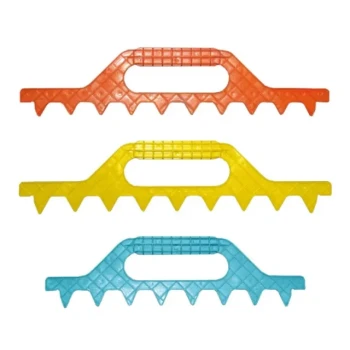
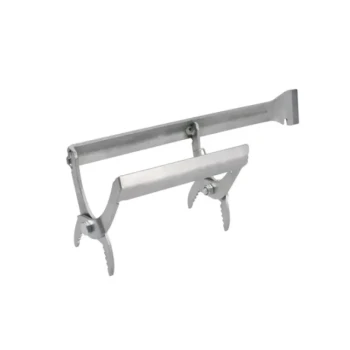
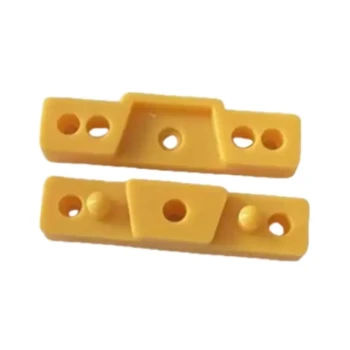
- Ergonomic Plastic Frame Spacer Tool for Rapid Hive Management Beekeeping
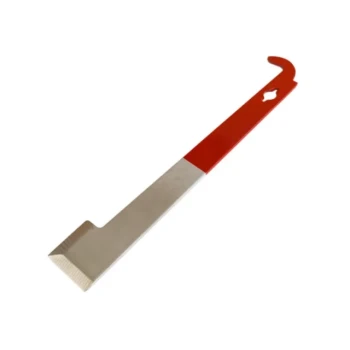
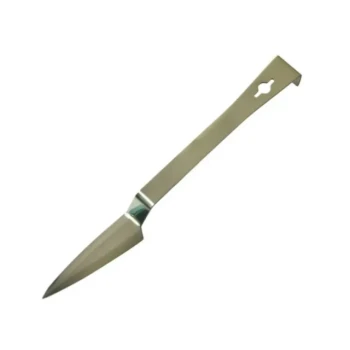
- Professional Stainless Steel J-Hook Hive Tool
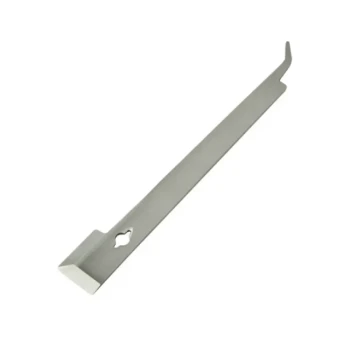
- Stainless Steel J Hook Hive Tool for Beekeeping
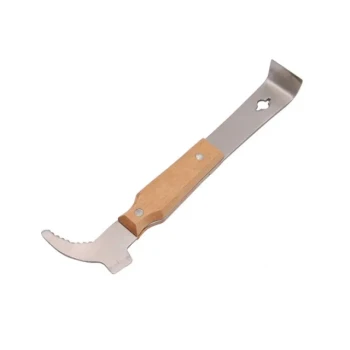
- HONESTBEE Professional Multi-Functional Hive Tool with Ergonomic Wood Handle
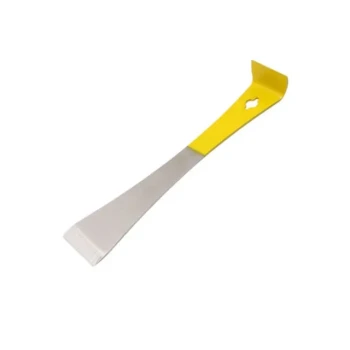
- Professional Stainless Steel Pry-Bar Hive Tool
People Also Ask
- What specific challenges do beekeeping hive tools address during hive maintenance? Essential Solutions for Apiaries
- How do specialized beehive management tools support high-purity honey production? Master Monofloral Isolation
- How do specialized beehive management tools assist in the routine maintenance of bee colonies? Boost Hive Efficiency
- What additional equipment might be useful for beekeeping? Boost Hive Health & Efficiency
- What are the approximate costs of basic beekeeping tools? Start Your Apiary for Under $85