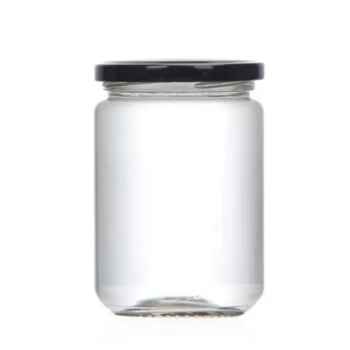
The sampling jar with a metal mesh lid acts as a mechanical sieve designed for the non-destructive separation of parasites. Specifically, the lid features a metal mesh with a pore size of approximately 2mm. This precise aperture is large enough to allow dislodged Varroa mites to pass through during vigorous shaking, yet small enough to keep adult honey bees safely contained within the jar.
The mesh lid is the linchpin of the "sugar shake" method, enabling beekeepers to filter mites out of a live bee sample for quantification without harming the colony.
The Mechanics of Separation
The Critical Importance of Pore Size
The effectiveness of the detection relies entirely on the 2mm pore size of the metal mesh. This dimension is engineered based on the physical differences between the host and the parasite. Varroa mites are small enough to slip through these openings, while honey bees are too large to escape.
Simultaneous Sampling and Quantification
The mesh lid facilitates a dual-process workflow. As you shake the jar, the device acts as a physical screening tool. It allows for the immediate collection of mites for counting in a separate tray while simultaneously securing the bees for eventual release.
Facilitating the Sugar Shake Method
Dislodging the Parasite
While the jar provides the containment, the method relies on powdered sugar to mechanically dislodge the mites. The sugar coats the mites, interfering with their ability to grip the bees, while the shaking creates the necessary physical friction.
Non-Destructive Monitoring
Unlike alcohol washes that kill the sample, the mesh lid design supports live sampling. Because the bees are retained behind the mesh barrier and coated in non-toxic sugar, they can be returned to the hive after the monitoring process is complete.
Understanding the Trade-offs
Mesh Integrity and Size Accuracy
The precision of the mesh is non-negotiable. If the mesh size is significantly smaller than 2mm (e.g., standard window screen), mites may remain trapped inside the jar, leading to a false negative or an underestimation of the infestation level.
Physical Effort Required
The mesh lid is a passive filter; it requires active energy to work. Effective detection depends on vigorous shaking to force the mites through the mesh. Insufficient agitation will result in mites remaining in the jar, regardless of the mesh quality.
Making the Right Choice for Your Goal
To effectively utilize a sampling jar for Varroa management, consider your specific monitoring objectives:
- If your primary focus is colony preservation: Utilizing a jar with a 2mm mesh lid allows you to monitor infestation levels frequently without weakening the colony population.
- If your primary focus is accurate quantification: Ensure the mesh is free of debris and shake the jar vigorously for at least one minute to ensure all dislodged mites pass through the filter.
The mesh lid transforms a standard jar into a precision instrument, balancing the need for accurate data with the imperative to protect the hive.
Summary Table:
| Feature | Specification/Detail | Benefit to Beekeepers |
|---|---|---|
| Mesh Pore Size | Approximately 2mm | Allows mites to pass through while containing bees |
| Mechanism | Mechanical Sieving | Non-destructive separation of parasites |
| Recommended Method | Sugar Shake | Safe for bees, interfering with mite grip |
| Material | Metal Mesh | Durable and maintains precise aperture size |
| Process Outcome | Live Sampling | Allows bees to be returned to the colony safely |
Maximize Your Colony Health with HONESTBEE Professional Equipment
Efficient Varroa management is the backbone of a productive apiary. At HONESTBEE, we specialize in supporting commercial apiaries and distributors by providing the industry's most reliable beekeeping tools, machinery, and consumables.
Whether you need precision sampling jars and monitoring kits to protect your hives or high-capacity honey-filling and hive-making machines to scale your operations, our comprehensive wholesale portfolio is designed to enhance your efficiency and yield.
Ready to elevate your beekeeping business? Contact our expert team today to discuss our volume pricing and how our specialized hardware can streamline your production.
References
- Benewende A. Kabore, A.M.G. Belem. Preliminary study on the prevalence of Varroa sp in honeybee colonies in the village of Mondon (Burkina Faso). DOI: 10.4314/sokjvs.v20i2.9
This article is also based on technical information from HonestBee Knowledge Base .
Related Products
- Classic Round Glass Honey Jar with Lid
- Classic Glass Honey Jar with Metal Lug Cap for Beehive Storage
- Hexagonal Glass Honey Jars with Metal Lug Caps Elegant Versatile Packaging
- Classic Drum Shaped Glass Honey Jar with Airtight Lid
- Modern Square Glass Honey Jar with Twist Off Lid
People Also Ask
- What is the aesthetic appeal of using glass jars for honey? Elevate Your Brand with Premium Packaging
- What are the advantages of glass containers for honey? Elevate Quality and Market Value with Premium Packaging
- How does the appearance of glass jar packaging affect the sales and perception of honey? Boost Your Premium Brand Value
- Why is a glass jar preferred for packaging honey? Ultimate Protection for Purity & Flavor
- What are the advantages of using high-quality glass containers in the commercial packaging of honey? Boost Premium Value