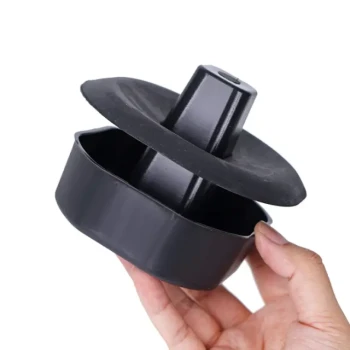
A water barrier device functions as a physical isolation system installed directly at the base of a beehive's support structure. By creating a circular, water-filled zone around the legs of the hive stand, it leverages surface tension to physically sever the path of crawling insects, preventing them from ascending into the colony.
This device relies on the simplicity of a physical blockade rather than chemical deterrents. By surrounding the hive's contact points with water, it creates an impassable moat that secures critical hive resources against ground-based infestations.
The Mechanics of the Barrier
Creating the Physical Gap
The primary function of the device is to interrupt the vertical path from the ground to the hive.
By installing the cup-like device on the hive's support legs, you force any climbing insect to encounter a reservoir of liquid. This effectively breaks the "bridge" that pests like ants and cockroaches use to access the hive.
Utilizing Surface Tension
The water within the device acts as more than just a gap; it is an active trap.
The surface tension of the water prevents small insects from walking across it. Instead of reaching the support leg on the other side, the insect is deterred by the liquid surface or trapped within it.
Protecting the Colony's Assets
Defense Against Specific Pests
The device is specifically engineered to target crawling pests that forage for food.
Ants and cockroaches are the primary targets, as they are relentlessly drawn to the hive's scent. Without this barrier, these pests can easily overwhelm a colony by swarming up the legs.
Safeguarding Hive Resources
The ultimate goal of the water barrier is to protect the hive's internal economy.
By stopping the invasion at the ground level, you protect larvae, bee bread, and honey from being consumed or contaminated. This preservation is vital for maintaining the overall health and productivity of the colony.
Understanding the Trade-offs
Maintenance is Mandatory
While the reference describes this as a "consumable" solution, it requires active management.
Water evaporates over time and can collect debris. To maintain the barrier's function, you must regularly check and refill the reservoirs, or the "moat" will dry up and provide a bridge for pests.
Limited Scope of Protection
It is important to recognize that this is a solution strictly for crawling insects.
A water barrier offers no protection against flying pests such as wax moths or wasps. It must be viewed as one component of a broader pest management strategy, not a cure-all for every hive threat.
Making the Right Choice for Your Goal
- If your primary focus is Cost-Efficiency: This is a high-value, low-cost investment that prevents expensive resource loss without complex equipment.
- If your primary focus is Chemical-Free Beekeeping: Use this method to physically exclude pests without introducing pesticides that could harm your bees or contaminate the honey.
By effectively managing the hive's contact with the ground, you secure the foundation of a healthy, productive colony.
Summary Table:
| Feature | Functionality | Key Benefits |
|---|---|---|
| Mechanism | Physical isolation moat | Breaks the path between ground and hive |
| Target Pests | Ants, cockroaches, crawling insects | Prevents colony swarming and contamination |
| Resource Safety | Protects larvae, honey, and bee bread | Maintains colony health and productivity |
| Eco-Impact | 100% Chemical-free | Safe for bees and honey consumption |
| Maintenance | Liquid reservoir refill | Low-cost, sustainable pest management |
Secure Your Apiary’s Success with HONESTBEE
Protecting your honey production from crawling pests is just the beginning. At HONESTBEE, we specialize in empowering commercial apiaries and distributors with high-performance beekeeping solutions. From robust hive-making machinery and precision honey-filling systems to essential hardware and cultural merchandise, our wholesale portfolio is designed to scale your operations.
Ready to upgrade your beekeeping infrastructure?
Contact our expert team today to discover how our comprehensive tools and machinery can enhance your productivity and protect your bottom line.
References
- Z. Muhammad Shakir, D. Mohd Salleh. Honeybees, Apis cerana colony performance in the non-protected and protectedbeehive methods in relation to climatic factors. DOI: 10.26656/fr.2017.6(s1).002
This article is also based on technical information from HonestBee Knowledge Base .
Related Products
- Black Plastic Beetle Barn Hive Beetle Trap for Beehives
- Steel Round Disc Entrance Reducer for Flexzion Bee Hive Nuc Box Gate
- Professional Ant-Proof Beehive Stand with Integrated Moat for Beekeeping
- Metal Bee Hive Stand Bee Box Stand for Beekeeping
- Reusable Clear Small Hive Beetle Traps for Beehives Beetle Trapping Tools
People Also Ask
- How should powdered substances be used in beetle traps for hive beetle control? Expert Guide for Maximum Colony Protection
- What are the three main types of hive beetle traps? Expert Solutions for Protecting Your Bee Colonies
- What are the types of hive beetle traps available? Master Your Beetle Control Strategy
- What are the main types of hive beetle traps available? A Beekeeper's Guide to Effective Control
- What mechanical methods can be used to manage small hive beetles? Effective Physical Solutions for Your Beehive