High-precision hive manufacturing acts as the foundation of modern, standardized beekeeping by ensuring every component is produced to exact biological and mechanical specifications. This rigorous dimensional uniformity allows for the seamless interchangeability of frames and boxes, which is essential for mechanized honey extraction, efficient colony inspections, and reducing maintenance costs across commercial apiaries.
By enforcing strict dimensional tolerances, high-precision machinery transforms the beehive from a variable artisanal product into a standardized industrial unit. This uniformity is the prerequisite for scaling operations, integrating automation, and ensuring consistent biological health across thousands of colonies.
The Operational Impact of Dimensional Consistency
Achieving Total Interchangeability
The primary contribution of high-precision machinery is the creation of components with identical physical specifications. Using CNC milling and standardized molds, manufacturers ensure that a frame or hive body from one lot fits perfectly with components from another. This eliminates the need for manual adjustments and allows beekeepers to replace damaged parts instantly without compatibility issues.
Streamlining Maintenance and Logistics
Standardized dimensions significantly reduce the complexity of apiary logistics, particularly for migratory beekeeping. When equipment creates a uniform stack, it stabilizes transport and simplifies storage. Furthermore, consistent hardware lowers infrastructure depreciation costs by allowing for rapid, bulk maintenance rather than individual hive repairs.
Enhancing Biological Compatibility
Adhering to the "Bee Space"
Honeybees require a specific gap—known as "bee space"—between combs and hive walls to move freely. Precision machinery ensures hive structures conform exactly to these biological requirements. If the space is too small, bees seal it with propolis; if too wide, they build burr comb. Precision manufacturing eliminates these irregularities, reducing colony stress and minimizing the labor required to clean frames.
Improving Insulation and Health
Machined components feature tighter joints and precise seals without relying on chemical glues or harmful coatings. This superior assembly provides better insulation and ventilation, which helps regulate the internal nest temperature. Consequently, colonies expend less energy on climate control and can dedicate more resources to pollen and nectar collection.
Facilitating Modernization and Automation
Enabling Mechanized Harvesting
Automated honey-harvesting equipment requires frames that are physically consistent to function without jamming or damaging the comb. High-precision manufacturing creates the durability and uniformity required for these industrial lines. This integration allows beekeepers to process honey at speeds and volumes that would be impossible with manually built, variable equipment.
The Foundation for IoT and Digital Beekeeping
Standardization provides the physical platform necessary for the digital transformation of the industry. Because hives are produced to consistent specifications, Internet of Things (IoT) sensors and monitoring hardware can be easily installed across different colonies. This hardware compatibility is critical for gathering reliable data and automating colony management at scale.
Understanding the Trade-offs
The Rigid Nature of Standardization
While standardization drives efficiency, it creates a rigid ecosystem where equipment must align with specific industrial norms. Adopting high-precision gear often commits an apiary to a specific standard, making it difficult to integrate legacy, non-standard equipment or experiment with unconventional hive designs without disrupting the workflow.
Initial Investment vs. Long-term Gain
Transitioning to high-precision, machined equipment may carry different upfront costs compared to basic, rough-cut lumber options. However, this must be weighed against the long-term reduction in labor and equipment replacement. The value is realized through scale and longevity, rather than immediate savings on individual wooden components.
Making the Right Choice for Your Goal
To determine how to leverage standardized equipment, assess your operational scale:
- If your primary focus is Commercial Scalability: Prioritize machinery that guarantees frame interchangeability to maximize the efficiency of mechanized extraction lines and migratory logistics.
- If your primary focus is Organic Certification: Select high-precision equipment that relies on precise mechanical joinery to eliminate the need for chemical glues and synthetic coatings.
- If your primary focus is Smart Beekeeping: Ensure your hive bodies meet strict industrial dimensional standards to guarantee compatibility with off-the-shelf IoT sensors and automated monitoring tools.
Precision manufacturing turns the beehive from a simple wooden box into a precision instrument, enabling the leap from labor-intensive farming to efficient, data-driven industry.
Summary Table:
| Key Feature | Impact on Standardization | Operational Benefit |
|---|---|---|
| Dimensional Uniformity | Exact frame and box interchangeability | Eliminates manual adjustments; simplifies logistics |
| Precision "Bee Space" | Adherence to biological requirements | Reduces propolis/burr comb; lowers colony stress |
| Mechanical Joinery | Tighter seals without chemical glues | Enhanced insulation and organic-friendly assembly |
| Automated Compatibility | Consistent hardware for honey machinery | Enables mechanized harvesting and IoT sensor integration |
Scaling Your Apiary with Industrial Precision
Transitioning to a standardized, high-efficiency operation requires the right equipment partner. HONESTBEE empowers commercial apiaries and distributors with the high-precision tools necessary for modern beekeeping.
From CNC-machined hive components to industrial honey-filling and hive-making machinery, our comprehensive wholesale portfolio covers everything you need to eliminate variability and maximize yield. Whether you are seeking specialized hardware or essential industry consumables, we provide the durability and uniformity required for global distribution and large-scale colony management.
Ready to modernize your operations? Contact HONESTBEE Today to explore our wholesale solutions and elevate your beekeeping business.
References
- A. Abdu, Girma Gudesho. Knowledge, Attitude and Practice of Bee Keeping in Nadhi-Nono District, Illubabor Zone, Oromia Regional State, Ethiopia. DOI: 10.11648/j.ab.20251302.11
This article is also based on technical information from HonestBee Knowledge Base .
Related Products
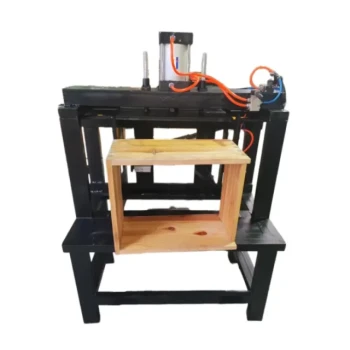
- High-Efficiency Pneumatic Bee Hive Making Machine for Rapid Box Assembly
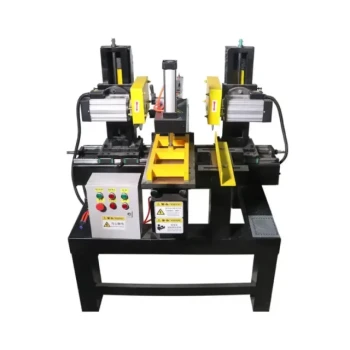
- Beehive Machine Double End Saw for Precision Hive Component Manufacturing
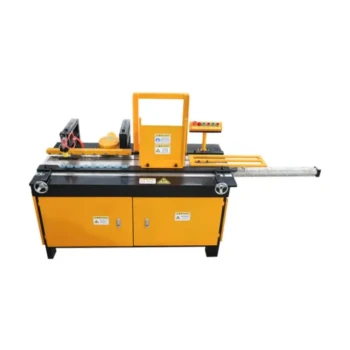
- Beehive Handle and Frame Rest Cutting Machine: Your Specialized Hive Machine
- Mini Desktop Bee Hive Frame Forming Making Machine
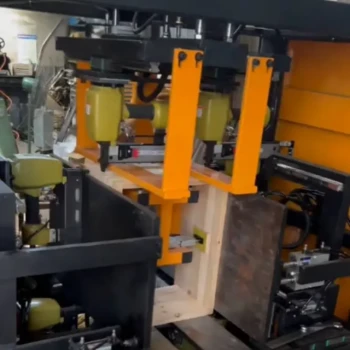
- Automatic High-Speed Bee Hive Box Stapling Machine
People Also Ask
- How does the introduction of professional beehive-making machinery benefit sustainable beekeeping? Scale Your Apiary
- Why is specialized beehive-making machinery critical for low-defense breeding? Enhance Selection with Precision Tools
- How does the introduction of specialized beehive making machinery contribute to increasing the scale of regional beekeeping industries?
- What is the importance of specialized beehive making machinery in a circular bio-economy? Build Local Sustainability
- Why is specialized beehive-making machinery essential? Scale Your Apiary with Precision Industrial Standards