Keeping honey bees near flowering crops can substantially improve fruit set, seed production, crop uniformity, and marketable quality. The effect varies by crop, weather, bloom timing, and the strength and placement of the colonies, but managed honey bees are especially valuable for orchards, berries, brassicas, citrus, oilseeds, and other crops that depend on insect visitation. Strong pollination colonies require more than bees alone: they depend on standardized hive equipment, secure transport systems, and disciplined health management.
The central principle is simple: stronger, healthier colonies deliver more reliable crop pollination. Brood boxes, frames, foundation, supers, queen-management equipment, transport hardware, inspection tools, protective gear, and colony-health supplies form the essential equipment base.
How Honey Bees Affect Crop Yields
More visits improve fruit and seed set
Honey bees transfer pollen between flowers during foraging, increasing the likelihood that flowers develop into fruit or viable seed. In orchard crops such as peaches and plums, targeted bee pollination has been associated with 13.0% to 21.9% increases in fruit set.
The practical result is often more uniform production, fewer misshapen fruits, and better use of the crop’s flowering period.
Yield improvements can be substantial
The difference between inadequate and effective pollination can be significant in high-value crops. Reported comparisons include pear yields rising from 99 pounds to 344 pounds, alfalfa seed yields from 62 pounds to 220 pounds per acre, and apple production from 25 to 1,200 apples per tree under cited pollination conditions.
These figures should not be treated as universal guarantees. Actual results depend on cultivar, orchard design, weather, competing flowers, colony density, and the timing of hive placement.
Pollination supports quality as well as volume
Successful pollination affects more than the number of harvested units. Better fertilization can contribute to improved fruit development, size, shape, seed formation, and overall marketability.
For growers and commercial pollination providers, this makes colony strength a production input rather than simply an apiary concern.
What Makes a Colony Effective for Pollination?
Population strength matters
A strong pollination colony needs a healthy adult bee population, active brood production, adequate food reserves, and a productive queen. Colonies that are weak, queenless, nutritionally stressed, or affected by pests may provide inconsistent field coverage.
Pre-deployment inspections should confirm that colonies are active and sufficiently populated before they are moved into a crop.
Timing and placement determine coverage
Colonies must be present when the target crop is flowering and positioned so bees can efficiently reach the bloom. Strategic distribution helps maintain effective visitation frequencies across orchards, fields, and other production zones.
Transportable, standardized hives make it easier for commercial operators to deploy colonies across multiple agricultural areas.
Daily foraging activity extends service value
Honey bees can provide sustained daily coverage during suitable weather and daylight conditions. Some species, including Apis cerana, begin foraging soon after sunrise and may remain active until near sunset, although actual activity depends on temperature, wind, rainfall, floral resources, and local conditions.
Essential Hive Equipment for Strong Pollination Colonies
Brood boxes and hive bodies
Brood boxes provide the space where the queen lays eggs and where young bees develop. Reliable wooden or composite hive bodies help maintain a stable colony environment and support modular expansion.
For commercial users, standardized dimensions are particularly important because they improve stackability, interchangeability, repair efficiency, and transport planning.
Frames and foundation sheets
Frames organize brood and honey storage while allowing beekeepers to inspect and manage the colony. Foundation sheets provide a structured starting point for comb construction and help maintain consistent comb spacing.
Durable frame assemblies reduce breakage during handling and seasonal migration, which is especially important when hundreds of colonies are moved between crop locations.
Honey supers and super frames
Honey supers provide additional storage space during nectar flows. Although their primary role is honey storage, adequate super capacity also helps prevent congestion as colonies expand during the pollination season.
Supers, frames, and foundation should be available as modular components so operators can respond quickly to changing nectar conditions and colony growth.
Queen excluders
A queen excluder can help manage the queen’s laying pattern by limiting access to selected honey-storage areas. This supports organized hive management and keeps brood and honey-storage zones more distinct.
Its use should be based on the colony’s configuration and operating goals rather than applied automatically to every hive.
Hive straps, fasteners, and stable bases
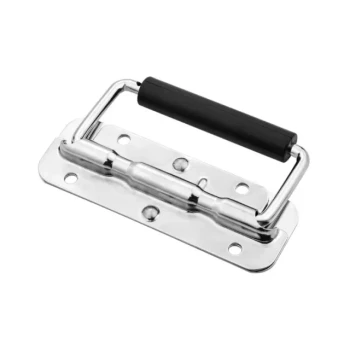
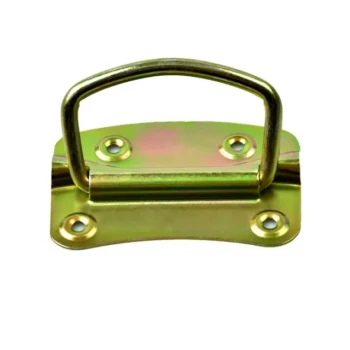
Hive straps and fasteners secure hive bodies, covers, and components during field placement and transport. They reduce the risk of shifting, separation, or physical damage when colonies are moved or exposed to wind.
Stable bases and properly secured stacks are basic requirements for safe deployment in orchards and fields.
Equipment for Transporting Colonies
Ventilation screens
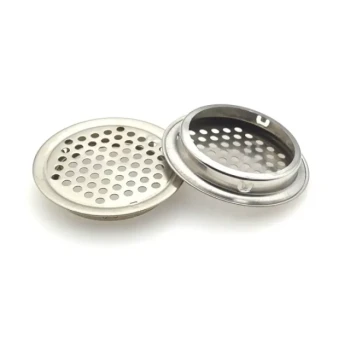
Transported colonies require controlled airflow. Ventilation screens help prevent overheating and improve air movement while keeping bees contained during movement.
Transport systems should be designed to protect the colony without creating unnecessary stress or restricting normal hive ventilation.
Entrance reducers and transport closures
Entrance reducers help manage entrances during handling and can support colony control during transport. Appropriate closures and screens must be compatible with the hive design and used carefully to preserve airflow.
The goal is secure containment with minimal disruption to the colony.
Protective transport hardware
Commercial pollination operations benefit from equipment that allows hives to be packed, secured, loaded, and unloaded efficiently. Durable components reduce handling damage and support repeatable movement between agricultural zones.
For distributors and resellers, compatibility across common hive formats is a major practical consideration.
Inspection, Handling, and Colony-Health Equipment
Smokers and hive tools
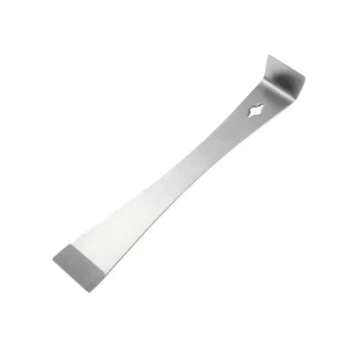
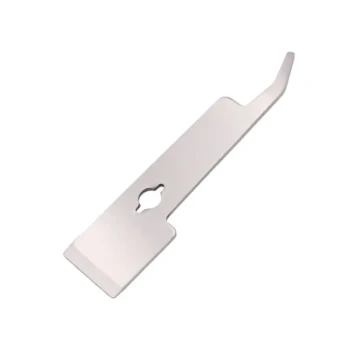
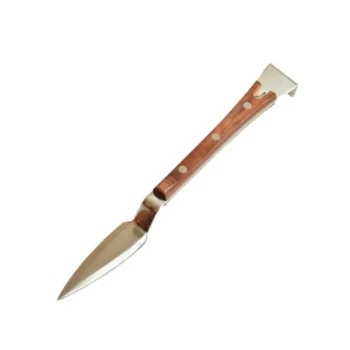
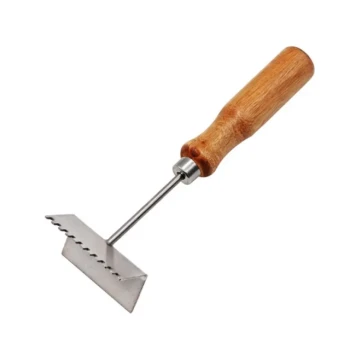
A reliable hive smoker helps calm bees during inspections, while hive tools assist with separating boxes, lifting frames, and removing propolis. High-capacity tools are valuable when operators must inspect many colonies before deployment.
Efficient inspection equipment helps beekeepers identify weak colonies before they reach the crop site.
Protective gear
Veils, gloves, suits, and other protective equipment allow beekeepers and field crews to work safely during inspections, loading, treatment, and emergency interventions.
Commercial operators should consider durability, fit, ventilation, and ease of cleaning when selecting protective gear for repeated use.
Feeding and nutritional support
Colonies may require protein supplements or other feed support during nutritional gaps, especially when natural forage is limited or weather interrupts flight activity. Adequate nutrition supports brood rearing and helps colonies maintain field strength.
Feeding equipment and consumables should be planned before deployment rather than sourced only after colonies show signs of stress.
Mite-control and winterization supplies
Mite-control treatments and monitoring practices are essential parts of maintaining colony health. Winterization supplies help colonies withstand seasonal conditions and preserve strength for future pollination cycles.
Colony performance can decline over time because of queen aging, comb residue buildup, and pest pressure, making proactive replacement and maintenance important.
Understanding the Trade-offs
More colonies do not automatically guarantee better yields
Pollination outcomes depend on colony strength and timing, not simply the number of hives placed in a field. Weak colonies, poor distribution, unsuitable weather, or insufficient bloom overlap can limit the benefit of additional units.
Growers and pollination providers should evaluate effective bee activity at the crop rather than relying only on hive counts.
Standardization improves efficiency but limits flexibility
Standardized hive components simplify purchasing, repairs, stacking, transport, and inventory management. However, equipment must still match the colony system, regional practices, and the operator’s handling methods.
A low-cost component that is incompatible with existing boxes or frames can create more operational expense than it saves.
Transport creates colony-health risks
Moving colonies across agricultural zones exposes them to vibration, temperature changes, restricted ventilation, and repeated handling. Poorly secured equipment can damage comb, disrupt the colony, or create safety hazards.
Secure fasteners, ventilation systems, suitable closures, and trained handling procedures are therefore part of the pollination solution—not optional accessories.
Pollination equipment does not replace management
Hive hardware creates the conditions for effective beekeeping, but it cannot compensate for poor queen quality, inadequate nutrition, pest pressure, or delayed inspections. Equipment selection must be paired with a clear colony-health and deployment program.
Building a Reliable Supply Program
Stock the complete operating system
Commercial customers often need more than individual hive boxes. A practical supply program includes woodenware, frames, foundation, supers, queen-management components, transport hardware, smokers, hive tools, protective gear, feeding supplies, and health-management consumables.
A full-spectrum product portfolio reduces procurement delays and helps operators prepare entire fleets of colonies from one source.
Prioritize compatibility and replacement availability
Frequently replaced items—such as frames, foundation, straps, screens, protective clothing, and treatment supplies—should be consistently available. Compatible replacement parts reduce downtime during the narrow pollination window.
Distributors and wholesalers can add value by organizing products by hive format, operating stage, and application.
Speed matters during the pollination season
Colony strength, bloom timing, and weather can change quickly. Rapid response, accurate order fulfillment, and dependable delivery are especially important when beekeepers must prepare or repair large numbers of hives before field deployment.
Dedicated technical support also helps customers choose compatible equipment instead of treating every purchase as a generic hardware order.
How to Apply This to Your Project
Select equipment according to the crop, colony scale, transport requirements, and health-management program.
- If your primary focus is maximizing crop yields: Prioritize healthy, populous colonies, timely placement, adequate brood capacity, and enough standardized equipment to support inspections and expansion.
- If your primary focus is commercial pollination services: Build a transport-ready hive system with durable boxes, frames, foundation, supers, ventilation screens, fasteners, and handling tools.
- If your primary focus is wholesale or distribution efficiency: Offer a compatible, full-spectrum portfolio with reliable stock, rapid response, and replacement components for common hive systems.
- If your primary focus is colony longevity: Combine sound hive hardware with queen management, nutrition, mite control, inspections, and seasonal winterization.
- If your primary focus is safe field operations: Invest in secure hive straps, stable hive bases, transport closures, protective gear, smokers, and tools designed for repeated handling.
Strong colonies create the pollination potential, while reliable equipment makes that potential repeatable, transportable, and commercially useful.
Summary Table:
| Equipment Category | Essential Items | Role in Pollination |
|---|---|---|
| Hive Housing | Brood boxes, hive bodies | Provide space for brood and colony stability |
| Comb Foundation | Frames, foundation sheets | Organize comb, ease inspection, maintain spacing |
| Storage Expansion | Honey supers, super frames | Prevent congestion, support colony growth |
| Queen Management | Queen excluders | Regulate egg-laying, partition brood/honey areas |
| Transport & Field | Straps, fasteners, bases, ventilation screens, entrance reducers | Secure and protect colonies during movement and placement |
| Inspection & Handling | Smokers, hive tools, protective gear | Enable safe and efficient colony checks |
| Health & Nutrition | Feeders, protein supplements, mite treatments, winterization supplies | Maintain colony vigor and disease control |
Ready to optimize your pollination operations? At HONESTBEE, we supply the full spectrum of beekeeping equipment—from durable hive components to transport and health-management tools—to support commercial apiaries, distributors, and beekeepers. Ensure your colonies are strong, healthy, and ready to boost crop yields. Contact us today for a tailored wholesale solution and experience rapid response, dedicated service, and ultra-fast delivery. Get in touch with our experts now!
Related Products
- HONESTBEE Classic Pry Bar Hive Tool with High Visibility Finish for Beekeeping
- Professional Stainless Steel Pry-Bar Hive Tool
- Ergonomic Two Person Foldable Hive Lifter
- HONESTBEE Professional Long Handled Hive Tool with Precision Cutting Blade
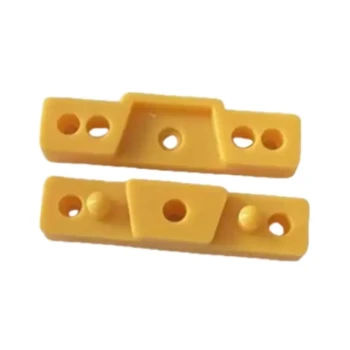
- Durable Plastic Interlocking Hive Connector for Beekeeping
People Also Ask
- What specific challenges do beekeeping hive tools address during hive maintenance? Essential Solutions for Apiaries
- Why are specialized beekeeping tools essential for executing colony health monitoring processes? Enhance Hive Precision
- What are some essential tools for beekeepers? Start Your Apiary with the Right Gear
- What are the essential tools and gear for basic beekeeping? Equip Your Apiary for Success and Safety
- What is the purpose of adding crystalline soda when disinfecting beekeeping tools? Boost Sterilization Efficiency