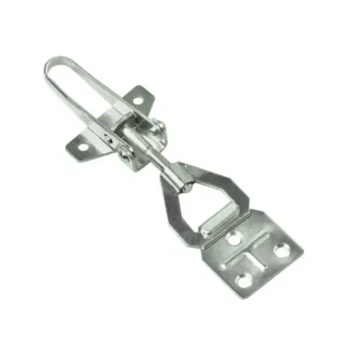
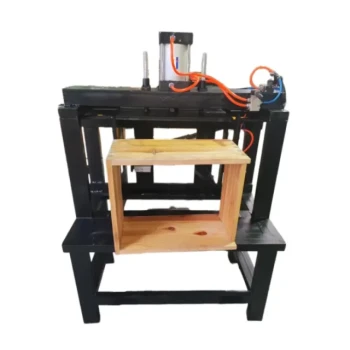
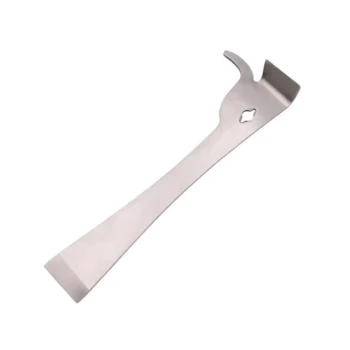
Specialized mobile beehive transportation equipment allows for the precise synchronization of honeybee colony placement with specific crop flowering windows. By enabling beekeepers to control exactly when and where colonies are deployed, this technology maximizes agricultural yields while minimizing the duration honeybees spend competing with wild pollinators in fragile ecosystems.
The critical advantage of this technology is its ability to decouple commercial pollination from permanent landscape occupation. By facilitating rapid entry and exit based strictly on bloom cycles, it prevents the ecological strain caused by long-term competition between managed honeybees and wild species in biodiversity-sensitive zones.
Achieving Precision in Pollination Management
Temporal Synchronization
The primary function of mobile equipment is to align colony presence with pulsed flowering periods. Crops like oilseed rape, sunflowers, or almonds often bloom in short, intense bursts.
Specialized transport allows beekeepers to rapidly relocate large numbers of colonies to match these specific windows. This ensures maximum pollination efficiency during the crop's receptive phase without requiring the bees to remain in the area once the bloom concludes.
Spatial Targeting
Modern agriculture often involves simplified landscapes or geographically dispersed planting areas that lack sufficient natural pollinators. Mobile equipment bridges this gap by serving as the primary hardware for spatial scheduling.
Beekeepers can migrate hives over long distances—often exceeding 100 kilometers—to target specific agricultural zones. This mobility compensates for local pollination deficits caused by landscape uniformity, ensuring consistent seed setting rates across large operations.
Mitigating Ecological Impact
Reducing Pressure on Wild Species
In biodiversity-sensitive areas, the continuous presence of large numbers of managed honeybees can be detrimental. They may outcompete wild bee populations for limited floral resources outside of the main crop bloom.
Mobile transportation allows for dynamic adjustment of colony distribution. By removing hives immediately after the commercial crop has finished blooming, beekeepers prevent the over-deployment of managed bees in nearby fragile forests or mountain meadows.
preventing Resource Depletion
Intensive management systems supported by this equipment allow decision-makers to assess the current state of natural resources. If wild forage is scarce, mobile units can relocate colonies to areas with better food availability.
This prevents the decline of wild bee populations that typically results from the unregulated expansion of stationary beekeeping activities in resource-limited environments.
The Role of Specialized Hardware
Optimized Logistics and Survival
Professional transport equipment, including specialized trucks, trailers, and lifting platforms, is designed to ensure high survival rates and colony vitality during transit.
Standardized loading and unloading mechanisms reduce the physical stress on the hive. This maintains the colony's strength, ensuring they are immediately active and effective upon arrival at the pollination site.
Colony Density Regulation
Specialized tools allow management personnel to perform essential maintenance, such as colony division and larval grafting, even during mobile operations.
This facilitates the effective regulation of pollination colony density. By maintaining the correct ratio of active colonies to crop area, farmers can improve fruit quality and yield without flooding the ecosystem with unnecessary numbers of bees.
Understanding the Trade-offs
The Requirement for Intensive Management
While mobile equipment offers flexibility, it necessitates a shift toward centralized and standardized management systems. This is not a passive solution; it requires constant monitoring of both crop phenology and colony health.
Complexity of Logistics
Effective utilization requires professional logistics arrangements. The benefits of mobility are only realized through precise scheduling; poor timing can lead to missed blooms or unnecessary transport costs. Furthermore, the reliance on specialized infrastructure implies a higher initial technical and capital investment compared to stationary beekeeping.
Making the Right Choice for Your Goal
To effectively utilize mobile transportation equipment, align your strategy with your specific operational focus:
- If your primary focus is Agricultural Yield: Prioritize equipment that allows for the rapid mass-transport of hives (>100km) to capture short-duration "pulsed" blooms like almonds or sunflowers.
- If your primary focus is Ecological Preservation: Utilize the equipment's mobility to implement a "rapid exit" strategy, removing managed colonies immediately after crop flowering to eliminate competition with wild pollinators.
Ultimately, specialized transport equipment transforms beekeeping from a static agricultural activity into a dynamic service that supports commercial production while respecting ecological boundaries.
Summary Table:
| Feature | Impact on Pollination | Ecological Benefit |
|---|---|---|
| Temporal Sync | Aligns hives with peak flowering windows | Prevents long-term competition with wild bees |
| Spatial Targeting | Provides pollination in resource-poor areas | Reduces local forage depletion in fragile zones |
| High-Vitality Transit | Ensures colony strength upon arrival | Minimizes colony loss and management stress |
| Rapid Relocation | Increases yield for short-duration blooms | Allows for immediate exit from sensitive ecosystems |
| Density Regulation | Optimizes bee-to-crop ratios | Prevents overcrowding of managed species |
Scale Your Pollination Services with HONESTBEE
As a commercial apiary or distributor, your success depends on the efficiency and durability of your hardware. HONESTBEE provides the comprehensive wholesale solutions you need to master mobile beekeeping. From specialized hive-making and honey-filling machinery to high-performance beekeeping tools and equipment, we empower you to deliver precise pollination services while protecting biodiversity.
Our Value to You:
- Commercial-Grade Quality: Reliable machinery designed for the rigors of long-distance transport.
- Complete Portfolio: A one-stop shop for everything from hardware to honey-themed cultural merchandise.
- Industry Expertise: Supporting large-scale operations with bulk supply and technical solutions.
Ready to upgrade your fleet and enhance your agricultural impact? Contact us today to discuss your wholesale requirements!
References
- Carlos M. Herrera. Gradual replacement of wild bees by honeybees in flowers of the Mediterranean Basin over the last 50 years. DOI: 10.1098/rspb.2019.2657
This article is also based on technical information from HonestBee Knowledge Base .
Related Products
- Plastic Transporting Bee Packages and Nuc Boxes for Beekeeping
- Professional Grade Foldable Beehive Handles
- Heavy Duty Adjustable Hive Connector
- Ergonomic Two Person Foldable Hive Lifter
- Durable Plastic Interlocking Hive Connector for Beekeeping
People Also Ask
- What role do bee package boxes play in the commercial transport and expansion of honeybee colonies? - Logistic Essentials
- What are beekeeping boxes called? A Guide to Hive Bodies and Box Types
- How do standardized bee packages serve as a recovery mechanism for commercial beekeeping? Ensure Business Continuity
- What is the commercial value of using standardized bee packages? Drive Scalability in Large-Scale Apiaries
- Why is the timely introduction of high-quality bee packages critical? Save Your Apiary from Asian Hornet Invasions