The harvesting method you choose acts as the primary lever controlling the volume of beeswax your apiary produces. While location affects quality, the mechanical process of extraction determines whether your colony preserves its infrastructure or is forced to rebuild it, directly dictating the quantity of harvestable wax.
The choice is binary: using a honey extractor preserves the comb for reuse, resulting in minimal wax yield. Conversely, the crush and strain method necessitates the destruction of the comb, forcing bees to rebuild annually and significantly increasing total beeswax production.
The Mechanics of Wax Yield
The "Crush and Strain" Method
This manual technique involves removing the entire honeycomb structure to harvest the honey. The comb is physically crushed to release its contents and then strained to separate the liquid from the solids.
Because the structural integrity of the comb is destroyed during harvest, the beeswax becomes a major byproduct. This method ensures the highest possible yield of wax per hive, as the entire season's structural growth is harvested rather than returned to the bees.
The Honey Extractor Method
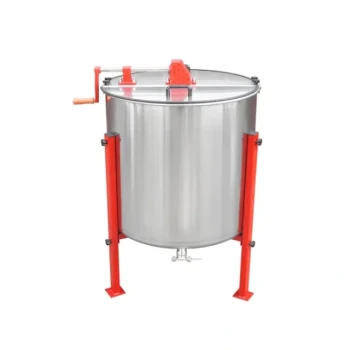
A honey extractor uses centrifugal force to spin honey out of the frames without damaging the wax structure. Once emptied, these intact frames are returned to the hive.
This approach prioritizes the preservation of the comb. Since the bees do not need to rebuild the structure, the only wax harvested is from the "cappings" (the thin wax seals sliced off before spinning). Consequently, the beeswax yield is significantly lower compared to crushing.
Understanding the Trade-offs
The Cost of Rebuilding
High wax yields come at an energetic cost to the colony. When you use the crush and strain method, the bees must divert significant energy and resources toward secreting fresh wax to rebuild the comb for the next season.
Balancing Efficiency vs. Diversification
Using an extractor allows bees to focus almost exclusively on honey production, as their storage infrastructure remains intact. This maximizes honey volume but minimizes wax output.
However, beeswax is a vital industrial raw material for cosmetics, pharmaceuticals, and candles. Prioritizing wax production through the crush and strain method can provide a diversified revenue stream, insulating the apiary from fluctuations in honey prices.
Making the Right Choice for Your Goal
To select the right method, you must weigh the value of the wax against the labor required of your bees.
- If your primary focus is maximizing honey production: Utilize a honey extractor to preserve existing comb, allowing bees to focus their energy solely on filling cells rather than building them.
- If your primary focus is beeswax inventory: Adopt the crush and strain method to harvest the full volume of comb, forcing a rebuild cycle that generates the maximum amount of wax.
Align your harvesting technique with your specific business model to optimize your apiary’s profitability.
Summary Table:
| Harvesting Method | Primary Benefit | Wax Yield | Honey Yield Impact | Best For |
|---|---|---|---|---|
| Crush and Strain | Maximum wax output | High | Lower (Energy spent on rebuilding) | Diversifying revenue with wax products |
| Honey Extractor | Maximum honey output | Low (Cappings only) | High (Infrastructure preserved) | High-volume commercial honey production |
Scaling Your Apiary for Success with HONESTBEE
Whether you are looking to maximize honey volume with high-efficiency honey-filling machines or seeking to diversify your revenue through high beeswax yields, HONESTBEE provides the professional-grade tools you need.
We specialize in serving commercial apiaries and distributors with a comprehensive wholesale range, including:
- Advanced Machinery: Extractors, hive-making equipment, and automated honey-filling lines.
- Essential Tools: The full spectrum of beekeeping hardware and machinery.
- Industry Consumables: Every essential item needed for large-scale operations.
- Cultural Merchandise: Honey-themed products to expand your brand reach.
Let HONESTBEE optimize your production efficiency and supply chain. Contact us today to discuss your wholesale needs and see how our expertise can grow your beekeeping business.
Related Products
- All-Stainless Steel Pivoting Honey Uncapping Fork for Beekeeping
- Stainless Steel 3 Frame Manual Honey Extractor Spinner for Bee Honey Extraction
- Manual Hand Crank 4 Frame Honey Extractor Centrifuge for Beekeeping
- Professional Stainless Steel Pry-Bar Hive Tool
- Stainless Steel Manual 8 Frame Radial Honey Extractor Machine for Beehives
People Also Ask
- How does a honey uncapping fork supplement the use of an uncapping knife? Boost Your Honey Yield and Extraction Efficiency
- What is the design purpose of honey uncapping forks and honey uncapping tanks? Maximize Your Harvest Efficiency
- What are the essential tools for uncapping honey frames? Choose the Right Tool for Your Apiary
- What are the tools used for uncapping honeycombs? Expert Guide to Tools & Functions for Maximum Yield
- What is the primary function of specialized honey uncapping tools? Maximize Your Extraction Yield and Efficiency