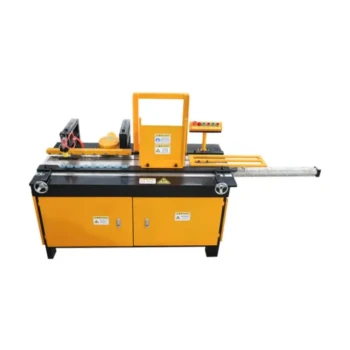
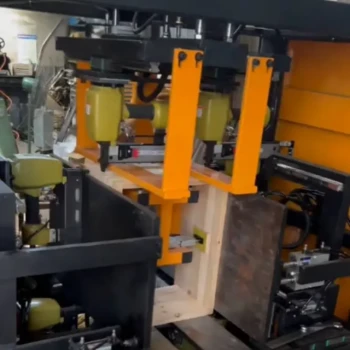
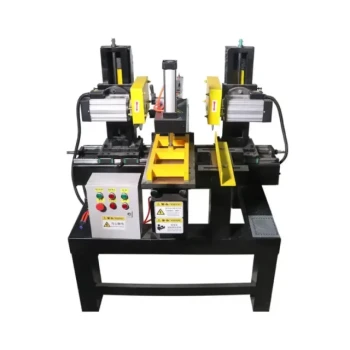
The introduction of specialized hive-making machinery fundamentally transforms beekeeping by shifting the sector from artisanal, manual construction to standardized industrial manufacturing. This equipment ensures precise structural integrity and uniform specifications across all hive components, which directly reduces hardware costs and supports the rigorous infrastructure required for large-scale commercial operations.
Core Insight The transition to industrial woodworking equipment is not merely about production speed; it is about establishing a complete industrial cycle. By enforcing absolute standardization, this machinery allows for part interchangeability, compatibility with automated processing lines, and the structural durability necessary for managing millions of colonies.
The Shift to Standardization and Precision
Ensuring Uniform Specifications
The primary impact of industrial machinery is the ability to produce hive bodies, frames, and bottom boards with exact dimensions. Unlike manual production, standardized CNC cutting ensures that every component is identical.
Achieving Component Interchangeability
In operations distributed across vast geographic areas, interchangeability is critical. Standardized hardware allows parts from one apiary to fit perfectly with those from another, streamlining colony splitting and maintenance without the friction of mismatched equipment.
Reducing Hardware Costs
Automated manufacturing significantly lowers the production cost per unit compared to manual labor. This efficiency enables beekeepers to scale from small apiaries to commercial farms with thousands of hives while maintaining a consistent and cost-effective equipment supply.
Operational Efficiency and Logistics
Withstanding Long-Distance Transport
Large-scale operations often involve migratory beekeeping, where hives are moved across state lines. Specialized machinery ensures the structural precision and strength needed to withstand the physical stress and vibration of long-haul transportation.
Facilitating Downstream Automation
Standardized hives are a prerequisite for automated honey extraction lines. Because the hives have tight structural tolerances, they integrate seamlessly with mechanical processing equipment, preventing jams and ensuring consistent product handling across the supply chain.
Enabling Self-Sufficient Supply Chains
Investing in hive-making machinery allows operators to utilize local materials to manufacture equipment tailored to specific climates. This fosters a circular economy model, reducing dependence on external suppliers and cutting procurement costs.
Biological Impact and Colony Health
Optimizing Thermal Management
Precision machinery allows for the creation of specific structural features, such as precise air intake designs. These engineered tolerances provide a stable internal environment, optimizing thermal management for the colony.
Enhancing Pollinator Efficiency
Standardized nesting spaces provide a consistent environment for brood rearing. By reducing physical stress on the colony through stable housing, beekeepers can maintain high population densities and ensure maximum foraging frequency for pollination services.
Understanding the Trade-offs
Initial Capital Investment
Implementing industrial-grade woodworking and CNC machinery requires significant upfront capital. Operations must have sufficient scale to justify this expense through long-term savings on unit costs and labor.
Loss of Customization
Standardization inherently limits the ability to tweak individual hives for unique, micro-situational needs. The focus shifts to macro-efficiency, meaning the system relies on a "one-size-fits-most" approach that prioritizes the average needs of the operation over the specific needs of a single colony.
Making the Right Choice for Your Goal
To leverage hive-making technology effectively, align your equipment choice with your operational priorities:
- If your primary focus is Logistics: Prioritize machinery that guarantees high structural rigidity to minimize damage during interstate migration.
- If your primary focus is Scalability: Focus on automated CNC processes that ensure 100% component interchangeability to streamline colony management and splitting.
- If your primary focus is Biology: Select equipment capable of machining precise ventilation and insulation features to maximize honeybee survival rates and yield.
Standardization is the bedrock of modern commercial beekeeping; without it, true scale is impossible.
Summary Table:
| Impact Category | Key Benefit of Specialized Machinery | Operational Outcome |
|---|---|---|
| Standardization | Precise CNC cutting & uniform dimensions | 100% component interchangeability across apiaries |
| Production Cost | Automated high-speed manufacturing | Significant reduction in hardware cost per unit |
| Logistics | High structural integrity & rigidity | Withstands stresses of migratory long-haul transport |
| Biological Health | Precision-machined ventilation & insulation | Optimized thermal management and higher brood yields |
| Supply Chain | In-house manufacturing capability | Reduced dependency on external suppliers & local sourcing |
Scale Your Beekeeping Operation with HONESTBEE Precision
Transitioning to industrial-grade standards is the only way to achieve true commercial scale. HONESTBEE empowers commercial apiaries and distributors worldwide with a comprehensive wholesale portfolio. From specialized hive-making and woodworking machinery to automated honey-filling lines, we provide the hardware and essential consumables you need to build a self-sufficient industrial cycle.
Why partner with HONESTBEE?
- Industrial Strength: Equipment designed for high-volume, standardized production.
- Full Spectrum Supply: We offer everything from heavy machinery to honey-themed cultural merchandise.
- Global Distribution: Reliable solutions tailored for large-scale operations and wholesalers.
Ready to optimize your production and lower your unit costs? Contact our expert team today to discuss how our specialized equipment can transform your business.
References
- Bernard Chazovachii, Raphel Mudyariwa. Livelihood Resilient Strategies through Beekeeping in Chitanga Village, Mwenezi District, Zimbabwe. DOI: 10.5539/sar.v2n1p124
This article is also based on technical information from HonestBee Knowledge Base .
Related Products
- High-Efficiency Pneumatic Bee Hive Making Machine for Rapid Box Assembly
- Beehive Handle and Frame Rest Cutting Machine: Your Specialized Hive Machine
- Mini Desktop Bee Hive Frame Forming Making Machine
- Automatic High-Speed Bee Hive Box Stapling Machine
- Beehive Machine Double End Saw for Precision Hive Component Manufacturing
People Also Ask
- How does the introduction of professional beehive-making machinery benefit sustainable beekeeping? Scale Your Apiary
- Why is specialized beehive-making machinery critical for low-defense breeding? Enhance Selection with Precision Tools
- How does the introduction of specialized beehive making machinery contribute to increasing the scale of regional beekeeping industries?
- What is the importance of specialized beehive making machinery in a circular bio-economy? Build Local Sustainability
- Why is specialized beehive-making machinery essential? Scale Your Apiary with Precision Industrial Standards