The measurement of vertical forest structure is the critical data source for customizing apiary hardware to its environment. By recording the specific height and coverage of herb layers—specifically categorizing vegetation into intervals such as 5–30 cm, 30–80 cm, and 80–150 cm—technicians create a precise map of honey plant distribution. This vertical profile dictates the installation height of mobile bee racks and the architectural design of hive entrances to ensure bees can forage without the interference of dense undergrowth or ground-level humidity.
Vegetation profiling serves as the bridge between raw environmental data and engineered hardware solutions. By aligning equipment specifications with the physical tiers of the forest understory, apiarists mitigate the risks of high humidity and physical obstruction, directly improving foraging efficiency.
Analyzing the Vertical Landscape
To design effective hardware, one must first quantify the physical constraints of the forest floor.
Stratifying the Herb Layers
Technicians do not view the understory as a single block of green. Instead, they measure it in distinct vertical tiers: 5–30 cm, 30–80 cm, and 80–150 cm.
Mapping Plant Distribution
By analyzing the coverage within these specific tiers, beekeepers identify exactly where the density of honey plants is highest. This data reveals the "target zone" for bee activity.
Identifying Obstruction Zones
Equally important is identifying layers that are dense with non-flowering vegetation. These zones represent physical barriers that impede flight paths and trap moisture.
Optimizing Hardware Design and Placement
Once the vertical structure is mapped, this data is applied directly to the hardware configuration.
Calibrating Mobile Bee Rack Height
The installation height of mobile bee racks is not arbitrary; it is determined by the maximum height of the dense understory layers.
If the data shows a dense herb layer peaking at 80 cm, the racks must be elevated to clear this threshold. This prevents the hives from being swallowed by foliage, ensuring ease of access for the beekeeper and clear flight paths for the bees.
Designing Beehive Entrances
The vertical data informs the specific placement and design of the beehive entrance.
Entrances must be positioned above the primary layer of ground vegetation. If the 5–30 cm layer is dense, entrances are designed to sit significantly higher to prevent blockage.
Mitigating Environmental Stressors
The primary goal of using this data is to counteract understory humidity.
Dense vegetation traps moisture near the ground. By using the vertical measurements to elevate hardware out of the dampest layers, the design actively protects the colony from the health risks associated with excessive moisture.
Understanding the Trade-offs
While vertical measurement provides a blueprint for optimization, it introduces specific operational challenges that must be managed.
The Complexity of Customization
Basing hardware design on specific vegetation measurements requires adaptive equipment. Standardized, fixed-height stands may not work in a forest with variable understory heights (e.g., varying between 30 cm and 150 cm).
Dynamic Environmental Changes
Vegetation is not static. A hardware setup calibrated for a spring measurement of 30 cm may become obsolete if the summer growth rapidly reaches 80 cm. Designs must allow for adjustability to account for seasonal growth spurts.
Making the Right Choice for Your Apiary Design
To leverage vertical vegetation structure effectively, apply the data based on your specific operational goals.
- If your primary focus is Foraging Efficiency: align the height of your mobile racks so that hive entrances sit parallel to or slightly above the densest layer of honey plants (e.g., the 80–150 cm tier) to reduce travel time.
- If your primary focus is Colony Health: Prioritize an installation height that clears the 5–30 cm and 30–80 cm layers entirely to maximize airflow and minimize the impact of ground-level humidity.
Success in forest beekeeping relies on engineering your hardware to work with the vertical structure of the forest, not against it.
Summary Table:
| Vegetation Tier | Height Range | Impact on Hardware Design | Primary Objective |
|---|---|---|---|
| Ground Layer | 5–30 cm | Entrance elevation & moisture shielding | Humidity mitigation & access |
| Mid-Layer | 30–80 cm | Rack height calibration | Obstruction removal |
| Upper-Layer | 80–150 cm | Flight path alignment | Foraging efficiency |
| Dynamic Tier | Variable | Adjustable hardware specs | Seasonal growth adaptation |
Elevate Your Apiary Performance with HONESTBEE
At HONESTBEE, we understand that commercial beekeeping success depends on hardware that thrives in complex environments. Whether you are a large-scale distributor or a commercial apiary, we provide the specialized tools you need to master forest beekeeping.
Our Value to You:
- Comprehensive Wholesale Range: From precision-engineered hive-making and honey-filling machines to durable beekeeping tools and consumables.
- Tailored Solutions: Hardware designed to handle environmental challenges like high humidity and dense forest undergrowth.
- Industry Expertise: We supply the full spectrum of equipment that allows you to optimize hive placement and foraging efficiency.
Ready to scale your operations with industrial-grade beekeeping technology? Contact us today to explore our wholesale portfolio and see how HONESTBEE can support your growth.
References
- Irina Samsonova, Petr Sidarenko Petr. DYNAMICS OF BIODIVERSITY OF NECTAR-BEARING RESOURCES IN THE STRUCTURE OF BIRCH FORESTS. DOI: 10.34220/issn.2222-7962/2019.4/8
This article is also based on technical information from HonestBee Knowledge Base .
Related Products
- Assembled Wooden Bee Frames with Plastic Foundation for Durability and Convenience by HONESTBEE
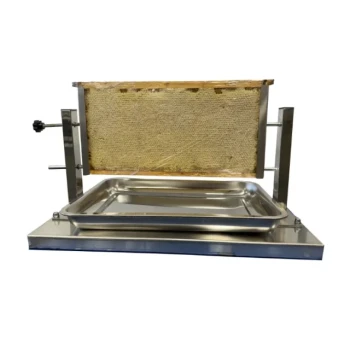
- Professional Adjustable Stainless Steel Honeycomb Display Stand
- Assembled Wooden Bee Frames with Beeswax Foundation Ready to Use by HONESTBEE
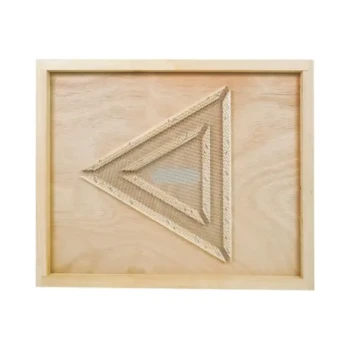
- HONESTBEE Wooden Bee Escape Board with Triangle Mesh Design for Beekeeping
- Plastic Bee Frame Beekeeping Hive Frames for Wholesale
People Also Ask
- When should frames with new foundation be given to colonies? Master Timing for a Thriving Hive
- How do you re-wax bee frames? A Simple Guide to Faster Comb Building
- Do you have to wire bee frames? Essential Guide to Frame Strength & Honey Harvesting
- What types of bee frames can be cleaned and returned to service? A Guide to Safe Apiary Refurbishment
- What are bee frames and how are they sized? A Professional Guide to Standardization & Material Choice