The systemic supply of specialized machinery acts as the critical bridge between subsistence farming and industrial-grade apiculture. It facilitates commercialization by transforming decentralized, small-scale operations into efficient production units through the provision of complete hardware support, ranging from precision-manufactured hives to advanced harvesting tools. This infrastructure significantly lowers production costs while ensuring the product consistency necessary for market viability.
By standardizing equipment and streamlining workflows, systemic supply chains remove the inefficiencies inherent in traditional methods. This transition reduces material waste and labor overhead, effectively positioning beekeeping as a reliable engine for rural job creation and economic growth.
The Role of Standardization in Scaling
Achieving Component Interchangeability
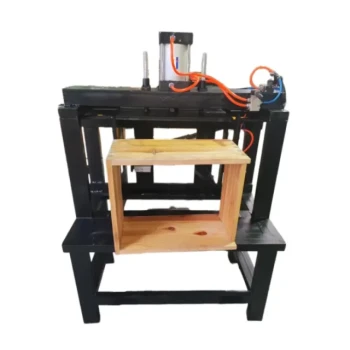
Commercial scalability is impossible without standardization. Specialized hive manufacturing machinery enables the high-precision production of hive components.
This ensures that frames and hive parts are completely interchangeable across thousands of colonies and different operation sites. Interchangeability reduces the logistical burden of managing large apiaries, as equipment does not need to be custom-fitted to specific hives.
Facilitating Logistics and Transport
Industrial-level production standards guarantee the structural stability of beehives.
Robust, standardized hives can withstand the physical stress of long-distance transportation. This durability is essential for commercial operators who must move colonies frequently to follow bloom cycles or provide pollination services.
Operational Efficiency and Economic Synergy
Reducing Labor and Waste
Industrial-grade machinery minimizes human error and material waste during the manufacturing process.
By automating the production of hive components, operators can reduce labor costs significantly. This efficiency makes "green" beekeeping models economically viable even in resource-constrained environments, lowering the barrier to entry for developing regions.
Unlocking Dual Revenue Streams
Professional equipment enables the scientific management of colonies, particularly near agricultural zones like soybean cultivation areas.
Efficient hive movement and harvesting machinery allow beekeepers to maximize pollination functions during flowering periods. This creates a dual economic benefit: increased crop yields for farmers and high-quality commercial honey for beekeepers.
Ensuring Colony Resilience and Consistency
Optimizing the Microclimate
The quality of the physical hive directly impacts the biological health of the bee colony.
Precision-manufactured hives provide a controlled environment that offers an optimal microclimate. This enhances the colony's ability to overwinter successfully and resist disease, thereby protecting the beekeeper's primary asset.
Mitigating Environmental Risks
Commercialization requires consistent output, regardless of weather conditions.
Specialized water supply devices and feeders provide vital moisture and nutrition during extreme dry seasons or nectar dearths. These tools act as emergency measures to prevent colony exhaustion and starvation, ensuring business continuity during harsh climatic events.
Understanding the Operational Shift
The Move from Craft to Industry
Transitioning to a systemic supply model requires a shift in mindset from traditional, dispersed management to centralized industrial production.
While traditional methods rely on artisanal skills, the commercial model relies on hardware precision. The focus shifts from managing individual hives to managing a system where hardware durability and standardization dictate the success of the enterprise.
Investment in Asset Longevity
Standardized hives produced by advanced machinery offer longer service lives than handmade alternatives.
While this implies an initial reliance on specialized supply chains, the long-term result is a uniform foundation for automated honey harvesting and maintenance systems. This longevity creates a stable asset base for the business, reducing the frequency of equipment replacement.
Making the Right Choice for Your Goal
To leverage systemic supply chains effectively, align your equipment strategy with your specific commercial objectives:
- If your primary focus is rapid scaling: Prioritize high-precision manufacturing machinery to ensure all hive components are interchangeable for mass management.
- If your primary focus is risk mitigation: Invest heavily in specialized feeders and water supply devices to maintain productivity during environmental extremes.
- If your primary focus is agricultural integration: Ensure your hives meet the structural standards required for frequent transport to pollination sites like soybean fields.
Successful commercialization ultimately relies on treating beekeeping hardware not as simple tools, but as the fundamental infrastructure of a modern agricultural industry.
Summary Table:
| Key Factor | Impact on Commercialization | Primary Benefit |
|---|---|---|
| Standardization | Component interchangeability across large-scale sites | Reduced logistics and maintenance costs |
| Automation | Precision manufacturing of hives and tools | Lower labor overhead and minimized material waste |
| Structural Durability | Robust equipment designed for frequent transport | Enables mobile pollination and long-distance honey trade |
| Colony Management | Optimized microclimates and emergency feeders | Enhanced bee health and consistent seasonal output |
| Asset Longevity | High-quality, long-lasting hardware | Stable asset base with reduced replacement frequency |
Transform Your Beekeeping Operation into a Commercial Powerhouse
At HONESTBEE, we understand that transitioning from subsistence to industrial-grade apiculture requires more than just tools—it requires a robust infrastructure. We specialize in empowering commercial apiaries and distributors with high-precision beekeeping machinery, specialized hardware like hive-making and honey-filling machines, and a complete range of essential industry consumables.
Whether you are looking to scale your production, improve colony resilience, or enter the honey-themed cultural merchandise market, our comprehensive wholesale offering provides the durability and standardization needed for success. Let us help you build a reliable engine for economic growth.
Ready to elevate your business? Contact HONESTBEE today for specialized equipment solutions!
References
- O. Drebot, M. Vysochanska. Features of the development of the beekeeping industry in the context of global experience. DOI: 10.33730/2310-4678.3.2023.287821
This article is also based on technical information from HonestBee Knowledge Base .
Related Products
- Stainless Steel J Hook Hive Tool for Beekeeping
- HONESTBEE 15-in-1 Beekeeper Multi-Tool with Hammer and Pliers for Beekeeping
- HONESTBEE Professional Mini J-Hook Hive Tool for Beekeeping
- Multi-Function Plier-Style Frame Grip Hive Tool
- Stainless Steel Honey Bee Smoker Hive and Honeycomb Smoker for Beekeeping
People Also Ask
- What specific challenges do beekeeping hive tools address during hive maintenance? Essential Solutions for Apiaries
- What are the features of a J-hook hive tool? Effortlessly Lift Frames with Superior Leverage
- What is a J-hook hive tool and why is it favored by some beekeepers? Master Gentle Frame Handling
- What is the purpose of the J-hook hive tool? Effortlessly Lift Frames with Superior Leverage
- How is a J-hook hive tool designed and what is its primary use? Master Effortless Hive Inspections