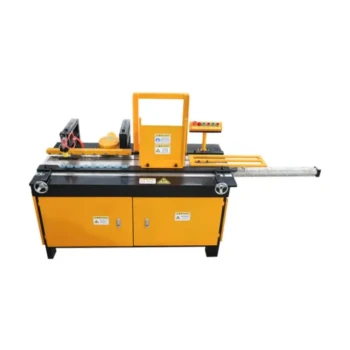
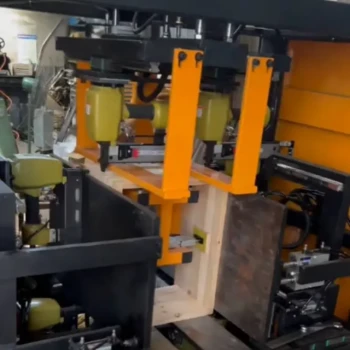
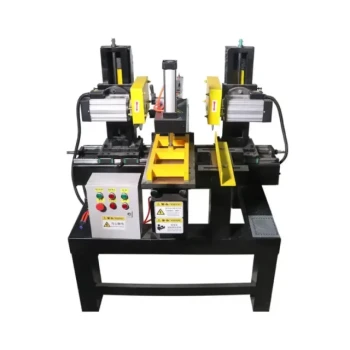
Specialized hive-making machinery directly elevates the quality of royal jelly and propolis by enforcing structural precision and scientific design standards. By standardizing the construction of the hive, this machinery minimizes gaps and structural flaws, thereby significantly reducing environmental contamination and impurity levels in the raw harvested materials.
Core Takeaway The true value of specialized hive manufacturing lies in its ability to create a controlled, "clean room" environment for the colony. By eliminating structural irregularities, this technology provides the foundational guarantee of purity required to transform raw hive resources into safe, high-efficacy medicinal products.
The Role of Structural Precision in Purity
Minimizing Environmental Contamination
The primary function of specialized hive-making machinery is to ensure structural standardization. When hives are built with high precision, the physical gaps that typically allow dust, pests, and external pollutants to enter are eliminated.
This tight construction creates a barrier against environmental factors that degrade raw materials. Consequently, the harvested royal jelly and propolis contain significantly lower impurity levels compared to those from non-standardized hives.
A Foundation for Medicinal Safety
For bee products intended for medicinal use, purity is the non-negotiable metric. The structural integrity provided by specialized machinery ensures the raw material starts with a high safety profile.
This "foundational guarantee" is critical for downstream processing. If the raw material is contaminated at the source due to poor hive construction, no amount of subsequent processing can fully restore its medicinal efficacy.
Material Influence on Bioactivity
Regulating Internal Microclimates
Specialized machinery is often calibrated to work with specific materials, such as wood, foam, or plastic. The precision in processing these materials directly dictates the thermal insulation and microclimate of the colony.
A stable internal environment is crucial for bee health. It influences the colony’s motivation to collect propolis and maintain the hive, thereby affecting the volume of raw material available.
Impact on Chemical Composition
The material of the beehive—shaped by this machinery—does more than house the bees; it interacts with them. Research indicates that the hive material significantly affects the total phenolic content and antioxidant activity of the propolis.
Therefore, the machinery’s ability to precisely fabricate specific materials is a core infrastructure factor. It indirectly regulates the biological potency of the propolis by ensuring the material properties are consistent and conducive to resin collection.
Understanding the Trade-offs
Equipment Interdependency
While hive-making machinery guarantees structural purity, it cannot act alone to preserve quality. The benefits of a precision-built hive are lost if the subsequent extraction equipment is not equally specialized.
For example, high-purity royal jelly degrades rapidly if not immediately stabilized. The investment in hive machinery must be matched by investment in cold chain storage and hygienic extraction hardware to maintain value.
Specificity vs. Adaptability
Specialized machinery excels at standardization, but this can sometimes be a limitation. A highly standardized hive design may not account for unique local environmental anomalies as well as a custom, hand-modified hive might.
Beekeepers must ensure that the "scientific design" produced by the machinery is actually appropriate for their specific geographic region and climate conditions.
Making the Right Choice for Your Goal
Whether you are upgrading your apiary infrastructure or selecting a supplier, align your equipment choices with your end-product goals.
- If your primary focus is Medicinal Grade Purity: Prioritize machinery that guarantees air-tight structural precision to minimize external impurities and environmental contamination.
- If your primary focus is Bioactive Potency: Select manufacturing protocols that utilize hive materials (like specific woods) proven to enhance the antioxidant activity and phenolic content of propolis.
- If your primary focus is Economic Stability: Ensure your hive machinery creates units compatible with specialized collection hardware (like pollen traps) to allow for product diversification.
The quality of the final product is decided the moment the hive is built; precision manufacturing is the gatekeeper of that quality.
Summary Table:
| Quality Factor | Impact of Specialized Machinery | Benefit to Raw Materials |
|---|---|---|
| Structural Precision | Eliminates gaps and structural flaws | Minimizes dust, pest, and environmental contamination |
| Microclimate Control | Ensures consistent thermal insulation | Stabilizes bee health for optimal propolis collection |
| Material Processing | Precise fabrication of wood/foam/plastic | Enhances total phenolic content and antioxidant activity |
| Standardization | Scientific design enforcement | Provides a foundational guarantee for medicinal-grade safety |
Elevate Your Apiary’s Production Standards with HONESTBEE
At HONESTBEE, we understand that premium royal jelly and propolis start with a precision-built environment. As a leading partner for commercial apiaries and global distributors, we provide the specialized hardware necessary to transform your operation. From advanced hive-making machines that ensure structural purity to honey-filling and extraction machinery that preserves bioactivity, our comprehensive wholesale portfolio has you covered.
Our Value to You:
- Precision Equipment: High-performance machinery designed for structural standardization.
- Full Spectrum Supply: A complete range of beekeeping tools, industry consumables, and even honey-themed cultural merchandise.
- Scalable Solutions: Tailored wholesale offerings for growing commercial enterprises.
Ready to secure the foundational quality of your apicultural products? Contact HONESTBEE today to explore our equipment and wholesale solutions!
References
- Sonata Trumbeckaitė, Valdimaras Janulis. Knowledge, Attitudes, and Usage of Apitherapy for Disease Prevention and Treatment among Undergraduate Pharmacy Students in Lithuania. DOI: 10.1155/2015/172502
This article is also based on technical information from HonestBee Knowledge Base .
Related Products
- High-Efficiency Pneumatic Bee Hive Making Machine for Rapid Box Assembly
- Beehive Handle and Frame Rest Cutting Machine: Your Specialized Hive Machine
- Mini Desktop Bee Hive Frame Forming Making Machine
- Automatic High-Speed Bee Hive Box Stapling Machine
- Beehive Machine Double End Saw for Precision Hive Component Manufacturing
People Also Ask
- How does the introduction of professional beehive-making machinery benefit sustainable beekeeping? Scale Your Apiary
- Why is specialized beehive-making machinery critical for low-defense breeding? Enhance Selection with Precision Tools
- How does the introduction of specialized beehive making machinery contribute to increasing the scale of regional beekeeping industries?
- What is the importance of specialized beehive making machinery in a circular bio-economy? Build Local Sustainability
- Why is specialized beehive-making machinery essential? Scale Your Apiary with Precision Industrial Standards