Seasonal mortality tracking reveals the real health and profitability of a commercial apiary. Total hive counts can appear stable when healthy colonies are repeatedly split or dead-outs are replaced with package bees, masking substantial losses. Tracking winter and summer mortality separately—approximately 28% in winter and 21% in summer in major commercial regions—shows where replacement costs, labor demands, lost honey production, and reduced pollination revenue are eroding margins.
Colony numbers alone are not a reliable performance metric. Seasonal mortality rates, colony strength, frame counts, and replacement requirements provide a more accurate view of operational health, while durable, standardized equipment helps reduce losses and restore production efficiently.
Why Total Colony Counts Can Mislead
Replacement can hide underlying losses
An apiary may finish the season with roughly the same number of colonies despite losing many original colonies. Splitting strong hives or purchasing package bees can restore the visible count without eliminating the financial and biological cost of the losses.
For management purposes, record survival, replacement, splits, and purchased colonies separately. This distinguishes genuine colony stability from recovery funded by additional labor and capital.
Seasonal rates identify when problems occur
Winter and summer losses often have different causes and require different responses. Winter mortality may be associated with pests, pathogens, pesticide exposure, climate variation, moisture, and inadequate reserves, while summer losses can reflect disease pressure, forage conditions, heat, pesticide incidents, or weak population development.
Comparing seasonal rates across yards, equipment configurations, and management practices helps identify recurring vulnerabilities instead of treating every dead-out as an isolated event.
Loss rates expose the true cost of scale
A lost colony creates more than a replacement-bee expense. It can also reduce honey production, compromise pollination capacity, increase feeding and inspection requirements, and require medication or additional labor to stabilize neighboring weak colonies.
For commercial operators, mortality should therefore be evaluated as a total operational cost, not merely as the purchase price of a queen or package.
How Mortality Data Improves Commercial Decisions
Use loss data to plan replacement capacity
Historical seasonal rates help determine how many queens, package bees, frames, feeders, and replacement components may be needed before the next production cycle. This reduces emergency purchasing and improves the likelihood of restoring colony numbers on schedule.
Rapid replacement is especially important when an apiary must fulfill crop-pollination contracts with minimum colony or frame-strength requirements.
Measure colony strength, not only hive presence
A surviving hive is not necessarily a productive hive. Weak colonies may require more feeding and inspections while producing less honey and failing to meet the active-bee or frame-count standards increasingly used in commercial pollination arrangements.
Track active frame counts, brood condition, population strength, and seasonal productivity alongside mortality. These indicators show whether the apiary is maintaining commercially valuable colonies rather than simply maintaining boxes in the field.
Connect mortality to revenue outcomes
Seasonal loss records should be reviewed against honey yield, pollination payments, labor hours, medication use, and replacement purchases. This reveals whether a management change is reducing costs, protecting revenue, or merely shifting expenses from one part of the operation to another.
The goal is not only to lower the percentage of dead colonies. It is to preserve enough strong colonies to support profitable honey production and reliable pollination performance.
Why Equipment Quality Protects Profitability
Durable equipment supports colony survival
High-quality hive components provide better structural integrity, weather resistance, ventilation control, and moisture management. These characteristics help maintain a more stable temperature and humidity environment, which is important for brood development and overall colony resilience.
Standardized, weather-tight equipment also reduces the risk of structural failure during harsh conditions, protecting both the colony and the beekeeper’s investment.
Standardization improves labor efficiency
Consistent frame dimensions, hive bodies, covers, and other components make inspections, hive splits, maintenance, and colony transfers faster and more predictable. Beekeepers can maintain robust frame counts without adapting procedures to incompatible or poorly fitted equipment.
At commercial scale, small inefficiencies multiply across hundreds or thousands of colonies. Standardization reduces avoidable handling time and simplifies inventory management.
Equipment enables faster emergency response
Standardized hives allow teams to close, isolate, ventilate, or relocate colonies quickly when pesticide applications or other environmental threats occur. Properly fitted components help maintain temperature and airflow during temporary isolation, limiting secondary stress.
This response capability is valuable because the cost of delayed action can include both colony mortality and disruption to pollination commitments.
Feeding equipment reduces unnecessary exposure
High-capacity hive-top feeders allow syrup or liquid nutrients to be supplied from within the protective hive shell. They reduce replenishment frequency, limit exposure to wind chill during cold periods, and can lower the risk of stimulating robbing between colonies.
Reliable feeding hardware is therefore both a colony-support tool and a labor-management tool, particularly during early spring, late autumn, or periods of limited forage.
Specialized tools accelerate recovery
High-performance splitting tools, queen introduction equipment, pest-monitoring devices, and sanitation supplies support faster and more consistent interventions. These tools help operators inspect brood, isolate diseased colonies, manage pests, and rebuild colony strength after losses.
The commercial value lies in speed, repeatability, and reduced cross-contamination, not simply in owning more equipment.
Connecting Equipment to Pollination Revenue
Strong colonies meet contract requirements
Pollination customers may evaluate colonies using active-bee or frame-count requirements rather than the number of hive boxes delivered. A box containing a weak colony may therefore generate less revenue or fail to qualify for premium rates.
Standardized hive hardware helps maintain usable frame capacity, consistent spacing, and better colony organization. This makes it easier to build and verify colonies that meet contract thresholds.
Equipment protects revenue during peak periods
Pollination schedules are time-sensitive. If colonies are weak, damaged, or difficult to manage shortly before deployment, the operator may have limited time to correct the problem.
Durable equipment, replacement components, and efficient hive-management tools reduce operational interruptions and improve the probability that colonies will be ready when contracted.
Reliable supply is part of equipment value
For distributors, wholesalers, and commercial beekeepers, product quality must be matched by dependable fulfillment. A durable component that arrives too late may be less useful than a readily available component that enables timely repairs or colony preparation.
A strong supply partner should therefore provide a broad product portfolio, rapid response, technical expertise, dedicated service, and efficient delivery across hive hardware, feeding systems, tools, and maintenance supplies.
Understanding the Trade-offs
Lower upfront prices can increase operating costs
Inexpensive equipment may appear attractive when purchasing at volume, but poor fit, premature deterioration, moisture problems, or structural failure can increase labor and replacement costs. The relevant comparison is total cost of ownership, including installation, maintenance, downtime, and colony risk.
Premium equipment is not automatically the best choice; it should be judged by durability, compatibility, service life, and measurable operational benefit.
Equipment cannot eliminate biological risk
High-quality hives and tools cannot independently prevent disease, parasites, pesticide exposure, poor forage, or climate-related stress. They provide a stronger management foundation, but they must be combined with monitoring, sanitation, biosecurity, feeding, and timely intervention.
Mortality data remains essential because it confirms whether the equipment and management program are producing better outcomes.
Standardization requires disciplined procurement
A standardized system delivers the greatest benefit when replacement parts remain compatible across the apiary. Mixing inconsistent dimensions or poorly matched components can undermine workflow efficiency and complicate inspections, repairs, and frame management.
Procurement should prioritize reliable specifications and continuity of supply, especially for high-volume operations.
How to Apply This to Your Apiary or Supply Program
Use mortality and colony-strength data to guide both management decisions and purchasing priorities.
- If your primary focus is reducing winter losses: Prioritize weather-tight, well-fitted hive hardware, moisture and ventilation control, pest-monitoring tools, and durable feeding equipment.
- If your primary focus is fulfilling pollination contracts: Track active frame counts and colony strength, then use standardized components and splitting tools to maintain dense, contract-ready colonies.
- If your primary focus is lowering labor costs: Select compatible, high-durability equipment and high-capacity feeders that reduce inspection, replenishment, repair, and handling time.
- If your primary focus is rapid recovery after losses: Maintain access to replacement queens, package bees, frames, hive components, and specialized colony-splitting tools before peak demand.
- If your primary focus is wholesale or distribution performance: Build a full-spectrum product offering supported by dependable specifications, fast response, technical guidance, and efficient order fulfillment.
When seasonal mortality data is paired with reliable equipment and disciplined procurement, commercial apiaries can protect colony strength, control operating costs, and defend long-term profitability.
Summary Table:
| Aspect | Key Insight |
|---|---|
| Seasonal Mortality | Track winter and summer losses separately (approx. 28% winter, 21% summer) to identify causes and true costs. |
| Operational Decisions | Use loss data for planning replacements, measuring colony strength, and evaluating revenue impact. |
| Equipment Quality | High-quality hives provide durability, standardization, and efficient feeding to reduce labor and colony losses. |
| Pollination Revenue | Strong colonies meet contract requirements, protecting revenue during peak periods. |
| Cost Considerations | Evaluate total cost of ownership; premium equipment may lower long-term expenses. |
Ready to reduce colony losses and maximize your apiary's profitability? HONESTBEE offers a full spectrum of beekeeping equipment and tools—from durable hive components to high-capacity feeders—designed for commercial operations. Our wholesale solutions include rapid response, dedicated support, and fast delivery to keep your operation running smoothly. For distributors, we provide OEM/ODM support and reliable supply chains to enhance your market competitiveness. Contact us today to discuss your needs and get a personalized quote!
Related Products
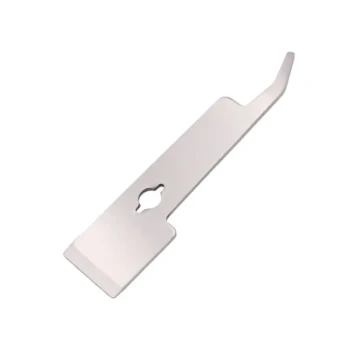
- HONESTBEE Classic Pry Bar Hive Tool with High Visibility Finish for Beekeeping
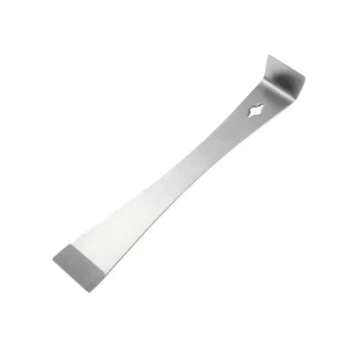
- Professional Stainless Steel Pry-Bar Hive Tool
- Ergonomic Two Person Foldable Hive Lifter
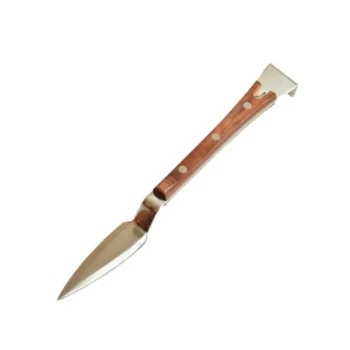
- HONESTBEE Professional Long Handled Hive Tool with Precision Cutting Blade
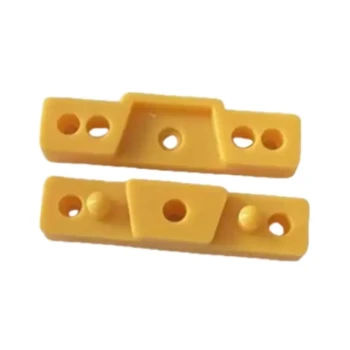
- Durable Plastic Interlocking Hive Connector for Beekeeping
People Also Ask
- What specific challenges do beekeeping hive tools address during hive maintenance? Essential Solutions for Apiaries
- Why are specialized beekeeping tools essential for executing colony health monitoring processes? Enhance Hive Precision
- What are some essential tools for beekeepers? Start Your Apiary with the Right Gear
- What are the essential tools and gear for basic beekeeping? Equip Your Apiary for Success and Safety
- What is the purpose of adding crystalline soda when disinfecting beekeeping tools? Boost Sterilization Efficiency