Using a dedicated honey filtering machine serves as a critical sanitary barrier, isolating your product from the external environment. By moving processing away from exposed manual methods to a specialized, enclosed system, you significantly reduce the introduction of foreign substances and environmental debris.
Core Takeaway Automated filtration transforms honey processing from an open, variable task into a contained and sanitary operation. This systematic approach not only physically removes impurities but also drastically limits human contact, which is the primary vector for introducing contaminants.
The Mechanics of Contamination Control
Isolation via Dedicated Systems
The primary benefit of these machines is segregation. By utilizing a machine dedicated solely to honey, you eliminate cross-contamination risks associated with multi-purpose tools or shared workspaces. This ensures that the only substance passing through the system is the honey itself.
Progressive Physical Filtration
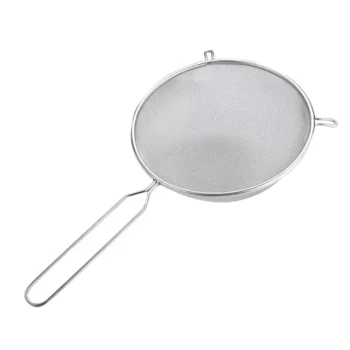
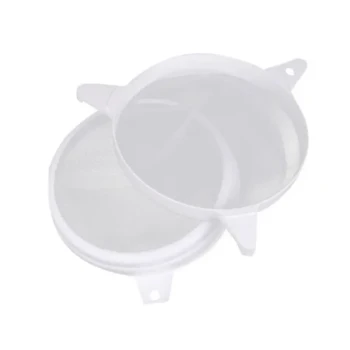
The machine functions by forcing honey through a series of progressively finer mesh screens. This multi-stage process effectively traps and removes extraction byproducts such as wax particles, bee parts, and pollen. It ensures that the final output is chemically and physically consistent.
Elimination of Human Error
Manual processing inevitably involves frequent handling, which increases the risk of introducing bacteria, hair, or skin cells. Automated machines utilize enclosed production lines and monitoring systems. This minimizes direct human contact, acting as a safeguard against biological contamination.
Removal of Industrial Hazards
Advanced filtration systems are designed to catch more than just organic apiary debris. They are capable of filtering out dangerous foreign objects such as glass shards, metal fasteners, or industrial dust that may have accidentally entered the batch during extraction or transport.
Enhancing Stability and Appearance
Preventing Fermentation
Contamination is not just about dirt; it is also about chemical stability. High-end machines often employ hermetic sealing and fully enclosed lines. This protects the honey from atmospheric moisture, which is the leading cause of fermentation and spoilage.
Managing Crystallization
Honey naturally crystallizes over time, which can be perceived as a defect by consumers. Filtration removes the microscopic sugar crystals and particles that act as "seeds" for this process. By removing these nucleation points, the machine keeps the honey clear and liquid for a longer period.
Understanding the Trade-offs
The Heat vs. Health Balance
Many filtering machines use heat to liquefy crystals and lower viscosity for faster processing. Excessive heat can destroy natural enzymes, compromising the nutritional value of "raw" honey. You must monitor temperature settings rigorously to avoid degrading the product.
The "Over-Filtering" Risk
While removing impurities is the goal, aggressive filtration can remove pollen, which is often considered a hallmark of high-quality, local honey. If the mesh is too fine, you risk creating a sterile syrup that lacks the unique character of its floral source.
Making the Right Choice for Your Goal
To maximize quality while minimizing contamination, align your filtration strategy with your end product:
- If your primary focus is Commercial Shelf Life: Opt for finer mesh sizes and controlled heating to remove all potential crystallization seeds and ensure a clear, shelf-stable aesthetic.
- If your primary focus is Raw/Artisanal Honey: Utilize coarser mesh settings and minimize heat to filter out macro-debris (wax/legs) while retaining beneficial pollen and enzymes.
The right filtration system does not just clean your honey; it defines the standard of quality your brand represents.
Summary Table:
| Contamination Vector | Filtering Machine Solution | Key Benefit |
|---|---|---|
| Environmental Debris | Enclosed Processing System | Prevents dust, hair, and foreign particles from entering. |
| Organic Impurities | Multi-stage Mesh Screens | Removes wax, bee parts, and pollen for a clear finish. |
| Human Interaction | Automated Enclosed Lines | Minimizes biological risks like bacteria and skin cells. |
| Fermentation Risks | Hermetic Sealing | Protects against atmospheric moisture and spoilage. |
| Industrial Hazards | Fine Particle Capture | Filters out metal fasteners or glass shards from transport. |
Elevate Your Honey Production with HONESTBEE
At HONESTBEE, we specialize in empowering commercial apiaries and distributors with professional-grade beekeeping machinery and tools. Our advanced honey filtering and honey-filling machines are designed to eliminate contamination risks while maintaining the integrity of your product.
Whether you need to extend shelf life for retail or preserve the nutritional profile of artisanal raw honey, our comprehensive wholesale offering provides the specialized hardware and consumables your business needs to scale efficiently.
Ready to optimize your apiary's output?
Contact our specialists today to find your custom equipment solution.
Related Products
- Professional Stainless Steel Honey Filtering Machine with Water Bath Heating for Beekeeping
- Electric Double Wall Honey Filtering Machine Purifier Equipment for Honey Processing Plant
- Automatic Honey Filling and Filtering Machine for Beekeeping Bottle Filling
- Honey Concentrating and Filtering Dehumidifier Machine 2T Capacity for Honey
- 0.5T Capacity Honey Dehumidifier Dryer with Vacuum Heating and Thickening Filtering Machine
People Also Ask
- Why do people filter honey? For Clarity, Stability, and Consumer Appeal
- Is it necessary to filter honey after extraction? A Guide to Straining vs. Raw Honey
- Why is filtering honey an important step in honey processing? Ensure Purity, Clarity & Marketability
- What is the best way to filter honey? A Guide to Quality, Clarity, and Raw Preservation
- What are the benefits of using honey filters? Achieve Purity, Efficiency, and Market Appeal