Vegetation life-form analysis acts as the definitive guide for determining the accessibility of potential apiary sites. Specifically, analyzing the density and degradation levels of pastures—such as the prevalence of phanerophytes in shrublands—reveals whether standard vehicles can suffice or if the terrain demands enhanced off-road performance and specialized lightweight equipment to successfully navigate overgrown areas.
Core Takeaway Vegetation density is not just a biological metric; it is a logistical constraint. High concentrations of shrub-like vegetation (phanerophytes) signal difficult access, necessitating a shift from standard transport to specialized, high-mobility machinery capable of reaching hive locations that are otherwise impenetrable.
Interpreting Vegetation Data for Logistics
The Indicator of Phanerophytes
Vegetation analysis looks for specific life-forms, most notably phanerophytes (shrubs and trees). In shrubland environments, the prevalence of these plants is a primary indicator of terrain complexity.
If the data shows a high presence of these life-forms, you are facing physical barriers. This directly impacts the physical dimensions and clearance requirements of your machinery.
Assessing Pasture Density and Degradation
Beyond just the type of plant, the analysis measures density and degradation levels. High density in a degraded pasture often results in overgrown, uneven terrain.
This data point serves as a warning. It indicates that the ground conditions are likely too hostile for conventional transport methods, requiring a strategic shift in equipment selection.
Matching Machinery to Environmental Constraints
The Need for Enhanced Off-Road Performance
When vegetation analysis reveals dense shrubland, standard trucks often fail. The terrain requires machinery with enhanced off-road capabilities.
You must prioritize vehicles designed to handle rough, overgrown landscapes. This ensures that hives can be transported safely without risking vehicle entrapment or damage in difficult-to-access zones.
The Role of Specialized Lightweight Equipment
Power is not always the solution; sometimes agility is required. The analysis may suggest that the terrain is too dense or degraded for heavy machinery.
In these cases, the correct choice is specialized lightweight transport equipment. These smaller, more agile units can navigate narrow or fragile paths that would block or collapse under heavier vehicles.
Understanding the Trade-offs
Accessibility vs. Capacity
Selecting machinery based on high vegetation density often requires a compromise on payload. Vehicles with superior off-road performance or lightweight designs typically carry fewer hives per trip than standard flatbed trucks.
You gain access to premium, secluded forage, but you may increase your logistical overhead due to the need for more trips or smaller loads.
Cost Implications of Specialization
Machinery designed for "difficult-to-access areas" is almost invariably more expensive. Specialized off-road forklifts or custom lightweight trailers command a higher price point than general-purpose equipment.
You must weigh the value of accessing high-density vegetation zones against the increased capital investment required to purchase and maintain this specialized fleet.
Making the Right Choice for Your Operation
Vegetation analysis allows you to stop guessing and start planning your logistics based on hard data.
- If your primary focus is dense shrubland access: Prioritize machinery with enhanced off-road performance to overcome the physical barriers of high phanerophyte density.
- If your primary focus is navigating fragile or degraded terrain: Select specialized lightweight transport equipment to minimize ground pressure and improve maneuverability in tight spaces.
By aligning your machinery choices with vegetation life-form data, you transform environmental challenges into accessible opportunities for your apiary.
Summary Table:
| Vegetation Factor | Impact on Logistics | Recommended Machinery |
|---|---|---|
| High Phanerophyte Density | Physical barriers & obstructed paths | High-clearance off-road vehicles |
| Pasture Degradation | Uneven terrain & risk of vehicle entrapment | Enhanced 4x4 performance machinery |
| Dense Overgrowth | Narrow access & fragile soil | Specialized lightweight transport units |
| Secluded Forage Areas | High-value but difficult accessibility | Agile, high-mobility beekeeping equipment |
Maximize Your Apiary’s Reach with HONESTBEE
Navigating dense shrublands and degraded terrains requires more than just standard gear—it requires a strategic partnership. HONESTBEE specializes in empowering commercial apiaries and distributors with a comprehensive range of professional beekeeping tools and machinery. Whether you need specialized hardware like hive-making and honey-filling machines or high-durability equipment designed for rugged hive migration, we have the wholesale solutions to scale your operation.
Ready to upgrade your fleet for tougher terrains? Contact us today to discover how our industry-leading equipment and consumables can streamline your logistics and boost your productivity.
References
- Mihaela Britvec, Rosana Šimunić. MEDONOSNO BILJE KAMENJARSKIH PAŠNJAKA OTOKA KRKA, CRESA I PAGA. DOI: 10.18332/tid/137086
This article is also based on technical information from HonestBee Knowledge Base .
Related Products
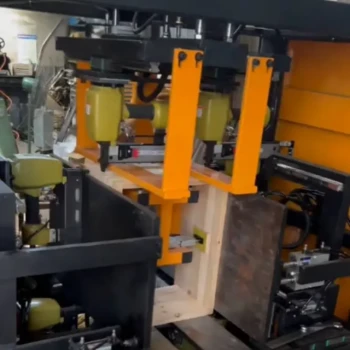
- High-Efficiency Pneumatic Bee Hive Making Machine for Rapid Box Assembly
- Automatic High-Speed Bee Hive Box Stapling Machine
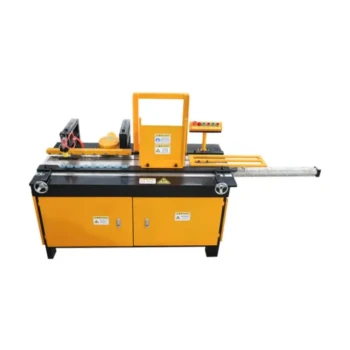
- Beehive Handle and Frame Rest Cutting Machine: Your Specialized Hive Machine
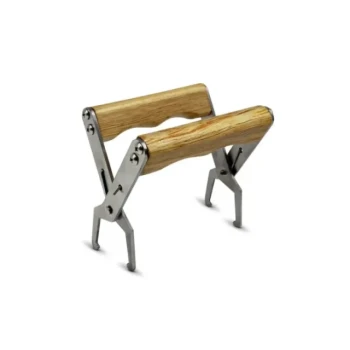
- Heavy Duty Adjustable Hive Connector
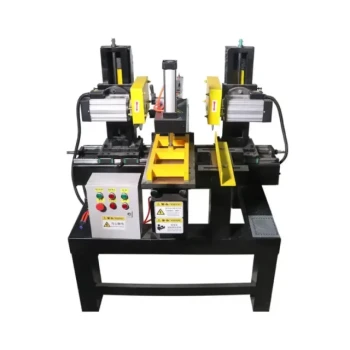
- Beehive Machine Double End Saw for Precision Hive Component Manufacturing
People Also Ask
- How does the introduction of professional beehive-making machinery benefit sustainable beekeeping? Scale Your Apiary
- Why is specialized beehive-making machinery critical for low-defense breeding? Enhance Selection with Precision Tools
- How does the introduction of specialized beehive making machinery contribute to increasing the scale of regional beekeeping industries?
- What is the importance of specialized beehive making machinery in a circular bio-economy? Build Local Sustainability
- Why is specialized beehive-making machinery essential? Scale Your Apiary with Precision Industrial Standards