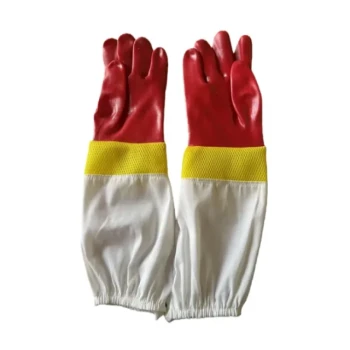
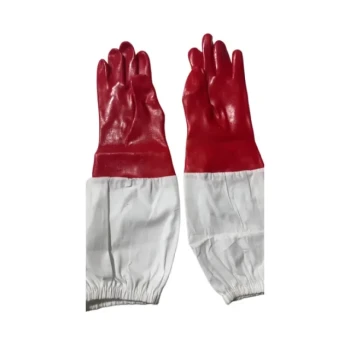
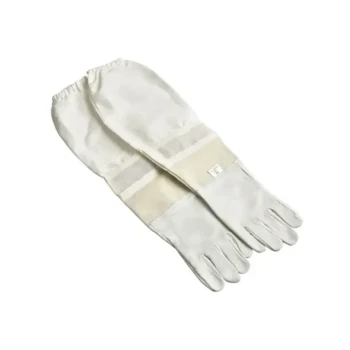
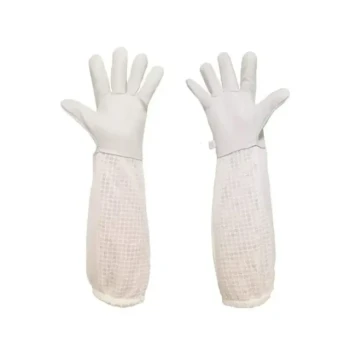
Beekeeping gloves generally require cleaning after every few uses or immediately upon becoming noticeably dirty or sticky. While the exact frequency depends on your usage intensity, a cleaning schedule of twice a year is considered sufficient for many average users to prevent the accumulation of honey, wax, and propolis.
Core Takeaway Glove maintenance is reactive rather than strictly scheduled; while cleaning twice a year serves as a baseline for hobbyists, you must wash them whenever residue buildup compromises your dexterity or hygiene.
Determining the Right Schedule
The Baseline Recommendation
For the majority of beekeepers, a scheduled cleaning twice a year provides an adequate balance between hygiene and equipment longevity.
This frequency typically aligns with the start and end of the active season.
It prevents the buildup of materials without subjecting the glove material to excessive wear from washing.
Reactive Cleaning: The "Noticeably Dirty" Rule
Regardless of your schedule, you must clean gloves immediately if they become noticeably dirty or sticky.
The accumulation of honey, wax, and propolis is not just cosmetic; it creates a tackiness that hampers your ability to work smoothly.
If your gloves feel heavy or stiff from debris, they require immediate attention.
Usage Intensity
The vague guideline of "every few uses" applies primarily to periods of heavy hive activity.
If you are inspecting multiple hives daily or managing a large apiary, the "twice a year" rule will be insufficient.
High-frequency users should assess the condition of their gloves weekly to prevent cross-contamination or extreme stiffening.
Understanding the Trade-offs
The Risk of Over-Washing
While hygiene is critical, frequent washing can degrade the materials, particularly leather.
Supplementary data indicates that soaps can strip natural oils, causing leather to dry out and crack if not properly conditioned.
Therefore, you should avoid washing them after every single use unless you are dealing with known diseases or spills.
The Cost of Neglect
Delaying cleaning allows propolis and wax to harden into the fibers or leather pores.
This buildup reduces dexterity, which is essential for handling delicate hive components and avoiding accidental stings.
Furthermore, dirty gloves can harbor pathogens, making regular removal of debris a matter of hive health as well as comfort.
Making the Right Choice for Your Goal
To select the best cleaning frequency for your apiary, consider your specific needs:
- If your primary focus is Equipment Longevity: Stick to the twice-a-year baseline to minimize water damage to leather, provided the gloves remain functional.
- If your primary focus is Peak Performance: Clean the gloves after every few uses or whenever they feel tacky to ensure maximum dexterity and sensitivity.
- If your primary focus is Disease Prevention: Disinfect and clean gloves immediately after working with any hive suspected of illness, ignoring the standard maintenance schedule.
Clean gloves are not just about appearance; they are a critical tool for safe and precise hive management.
Summary Table:
| Factor | Recommended Frequency | Primary Goal |
|---|---|---|
| Hobbyist Baseline | Twice a year (start/end of season) | Equipment longevity |
| High Activity | Every few uses / Weekly | Optimal dexterity & sensitivity |
| Sticky/Dirty Build-up | Immediately | Improved grip and handling |
| Disease Exposure | After every contact | Pathogen control & hive safety |
Elevate Your Beekeeping Operation with HONESTBEE
At HONESTBEE, we understand that professional beekeeping requires precision tools that last. Whether you are a commercial apiary or a global distributor, we provide a comprehensive wholesale range of high-quality beekeeping gloves, protective gear, and essential consumables designed for durability.
From specialized hardware like hive-making machines and honey-filling lines to honey-themed cultural merchandise, our portfolio supports every aspect of your business. Let us help you scale your efficiency and protect your team with equipment that meets the highest industry standards.
Ready to upgrade your inventory? Contact our experts today to discuss wholesale solutions tailored to your needs!
Related Products
- Beekeeping Gloves Goatskin Leather with Long Cotton Sleeve for Beekeepers
- Heavy Duty Red Rubber Beekeeping Gloves with Vented Mesh Cotton Sleeves
- Heavy Duty Red Rubber Beekeeping Gloves with Extended Pure Cotton Sleeves for Beekeepers
- Goatskin Leather Beekeeper Gloves with Vent Long Sleeve for Beekeeping Honey Bee Sting Proof Protection
- Premium Ventilated Goatskin Beekeeping Gloves with Full 3-Layer Mesh Sleeve
People Also Ask
- What are the characteristics of the best gloves for beekeeping? Choose Protection & Dexterity
- What are the primary purposes of using beekeeping gloves? Protect Your Hands and Ensure Apiary Hygiene
- What types of gloves are available for beekeeping? Choose the Right Protection for Your Hive
- Why is it important for beekeepers to wear gloves? Essential Safety and Confidence for Hive Management
- Why do some experienced beekeepers opt not to wear gloves? Discover the Benefits of Tactile Precision