The primary distinction lies in purpose and vertical placement. A honey super is designed specifically to collect surplus honey for harvest and is placed on top of the hive, whereas the brood box serves as the colony's permanent living quarters below. While brood boxes remain constant, honey supers are temporary additions installed during peak nectar flows in spring and early summer.
The brood box is the colony’s permanent nursery and pantry for survival, while the honey super is a temporary vessel strictly for storing the excess honey intended for the beekeeper.
Functional Differences in Hive Management
The Role of the Brood Box
The brood box acts as the biological engine of the hive. Located at the bottom of the stack, it is where the queen lays eggs and the colony raises new bees.
The Role of the Honey Super
The honey super is dedicated entirely to storage. It is added to the hive to capture the overflow of honey production once the bees have filled their brood area requirements.
By separating these functions, beekeepers can harvest honey without disturbing the queen or accidentally removing the frames containing developing larvae.
Physical Characteristics and Configuration
Vertical Hierarchy
In standard operations, the honey super is always placed above the brood boxes. This arrangement mimics the bees' natural instinct to store honey reserves in the upper sections of a cavity, above the brood nest.
Size Variations
While some beekeepers use "deep" boxes for all purposes, the honey super is typically a medium-sized box.
Brood boxes are generally larger (deeps) to accommodate the large population and winter stores. Honey supers are often smaller (mediums or shallows) to make them lighter and easier to handle during harvest.
Temporal Dynamics and Seasonality
Permanent vs. Temporary Fixtures
The brood box is a permanent fixture of the apiary, remaining with the colony year-round to protect them through the winter.
Timing the Addition
Honey supers are considered temporary components. They are added primarily during the spring and early summer when the local flora produces nectar in abundance, and removed once the flow ends or the honey is harvested.
Understanding the Trade-offs
The Weight Factor
A deep box filled completely with honey is exceptionally heavy. Using medium-sized boxes for honey supers is a trade-off that prioritizes ergonomics over volume, making it physically easier for the beekeeper to lift the boxes off the hive.
Equipment Standardization
Choosing to use different sizes (deep for brood, medium for supers) creates an equipment mismatch. You cannot swap frames between the brood nest and the honey super, which limits your flexibility in moving resources around the hive.
Making the Right Choice for Your Apiary
Beekeeping requires balancing the biological needs of the colony with the physical capabilities of the beekeeper.
- If your primary focus is physical sustainability: Opt for medium-sized honey supers to keep lifting weight manageable during harvest.
- If your primary focus is equipment interchangeability: Use deep boxes for both brood and supers, accepting the heavier weight to ensure every frame fits every box.
Properly distinguishing these components ensures you maximize your harvest without compromising the colony's core survival space.
Summary Table:
| Feature | Brood Box | Honey Super |
|---|---|---|
| Primary Purpose | Queen's nursery & colony's survival stores | Storage of surplus honey for harvest |
| Vertical Position | Bottom of the hive stack | Above the brood boxes |
| Duration | Permanent (year-round) | Temporary (added during nectar flow) |
| Common Size | Deep (9 5/8") | Medium (6 5/8") or Shallow (5 3/4") |
| Content | Larvae, eggs, pollen, and honey | Capped honey only |
Scale Your Apiary Operations with HONESTBEE
Are you looking to streamline your honey production or expand your wholesale distribution? HONESTBEE provides commercial apiaries and distributors with premium-grade beekeeping solutions designed for efficiency and durability.
Our extensive portfolio includes:
- High-Performance Machinery: Precision hive-making machines and automated honey-filling systems.
- Full-Spectrum Equipment: From ergonomically sized honey supers and brood boxes to specialized beekeeping tools.
- Industry Consumables: A comprehensive range of essentials to keep your colonies thriving.
- Bespoke Merchandise: Unique honey-themed cultural products for retail growth.
Partner with a supplier that understands the technical demands of professional beekeeping. Contact HONESTBEE today to discuss our wholesale offerings and discover how we can optimize your harvest with the right tools for the job.
Related Products
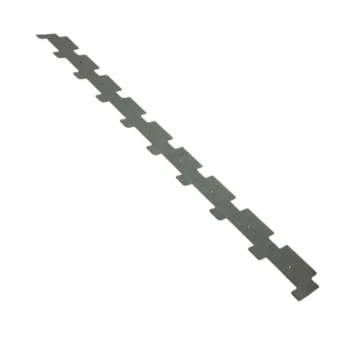
- Heavy Duty Castellated Iron Frame Spacer for Honey Supers
- Durable 16 Way Circular Bee Escape for Efficient Honey Harvesting
- Digital Honey Refractometer for Precision Measurement of Optimal Honey Quality
- Precision Honey Refractometer Instrument for Quality Assessment
- Professional Plastic Honey Dipper for Easy Honey Drizzling
People Also Ask
- What are honey super frames and what foundation options are available? Choose the Best Support for Your Bees
- What are the reasons and drawbacks of using nine frames in a ten-frame honey super? Boost Extraction Speed Today
- What are honey super frames and how many are needed per box? A Beekeeper's Essential Guide
- What are honey super frames and their foundation options? Choose the Best Support for Your Hive's Honey Production
- Why might a beekeeper use fewer than the standard number of frames in a honey super? Boost Extraction Efficiency