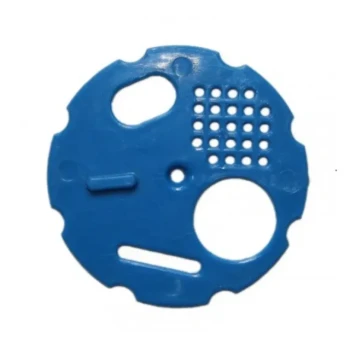
To properly use an entrance reducer during winter, you must orient the device to utilize its smallest opening. This restrictive setting creates a vital physical barrier that conserves the colony's internal heat while preventing rodents from entering the hive.
Winter hive management relies on minimizing exposure while maintaining safety. By switching to the smallest entrance notch, you significantly reduce wind chill and effectively block pests that exploit the colony's dormant state.
The Mechanics of Winter Hive Protection
Conserving Colony Warmth
The primary function of the reducer in winter is thermal regulation. During cold months, honey bees form a tight cluster to generate and conserve heat.
Leaving the hive entrance wide open allows excess cold air to circulate, breaking the cluster's thermal envelope. By restricting the opening to the smallest notch, you minimize drafts. This helps the bees maintain the necessary temperature with less energy expenditure.
Defending Against Rodents
Mice are a significant threat in winter, as they seek both the warmth of the cluster and the food stores (honey and pollen) inside.
In cold weather, bees are torpid—slow-moving and sluggish—making them unable to effectively defend the entrance against intruders. The wooden reducer acts as a physical shield. It narrows the passage so that larger pests cannot squeeze through to nest inside.
Supplementing with Mouse Barriers
While the wooden reducer is the first line of defense, it may not always be sufficient for determined pests.
If you are in an area with high rodent activity, the wooden reducer should be supplemented with a dedicated mouse barrier. This metal or hard plastic guard allows bees to pass but makes it impossible for mice to chew through the entrance, which they can sometimes do with softer wooden reducers.
Common Pitfalls to Avoid
The Risk of Entrance Blockage
The trade-off of using the smallest opening is the increased risk of obstruction.
As bees die naturally during the winter, they fall to the bottom board. Because the exit is narrow, these bodies can pile up and block the entrance completely. You must periodically check the entrance and clear away dead bees to ensure air can still circulate and bees can exit for cleansing flights on warmer days.
Balancing Ventilation
While keeping the hive warm is essential, completely sealing airflow is dangerous due to moisture buildup.
The entrance reducer is designed to control air circulation, not eliminate it. Ensure the small notch is positioned correctly (usually facing down) to allow necessary gas exchange without allowing a direct draft to hit the bee cluster.
Making the Right Choice for Your Goal
- If your primary focus is thermal conservation: Use the smallest notch on the reducer to limit cold drafts and help the cluster maintain heat.
- If your primary focus is pest exclusion: Inspect the reducer for wear and consider adding a metal mouse guard over the reducer if mice are active in your area.
- If your primary focus is hive hygiene: Regularly check the small opening for debris or dead bees to prevent suffocation or trapped moisture.
Properly reducing the entrance is the single most effective hardware adjustment you can make to help your colony survive the winter.
Summary Table:
| Winter Feature | Recommended Setting | Primary Benefit |
|---|---|---|
| Opening Size | Smallest Notch | Minimizes heat loss and drafts |
| Orientation | Notch Facing Down | Allows moisture drainage and airflow |
| Pest Control | Reducer + Mouse Guard | Prevents rodents from nesting inside |
| Maintenance | Periodic Clearing | Prevents entrance blockage from dead bees |
Maximize Your Winter Survival Rates with HONESTBEE
Protecting your colony requires more than just a reducer—it demands high-quality hardware that stands up to the elements. HONESTBEE specializes in supporting commercial apiaries and distributors with a full spectrum of professional-grade beekeeping equipment.
From precision-engineered hive-making machinery to durable winterization tools and consumables, we provide the bulk solutions you need to scale your operations. Ensure your bees (and your business) thrive through the cold season with our comprehensive wholesale offering.
Ready to upgrade your inventory? Contact us today to explore our wholesale catalog!
Related Products
- Steel Round Disc Entrance Reducer for Flexzion Bee Hive Nuc Box Gate
- Beehive Entrance Reducer Guardian Metal Hive Entrance for Bees
- Professional Hive Front Entrance Bee Feeder
- HONESTBEE Entrance Bee Feeder Efficient Hive Front Liquid Feeding Solution for Beekeeping
- HONESTBEE Entrance Bee Feeder Professional Hive Nutrition Solution for Beekeeping
People Also Ask
- What is the purpose of an entrance reducer for a beehive? Strengthen Colony Defense and Prevent Robbery
- Why are entrance reducers used to counter hornet infestations? Protect Your Hive with Strategic Choke Points
- Why is it critical to maintain a smaller entrance for a newly established bee hive? Boost Colony Growth and Security
- Under what conditions should a beekeeper adjust the size of a beehive entrance? Seasonal & Defense Management Tips
- What is the function of an entrance reducer on a beehive? Strengthen Colony Defense and Climate Control