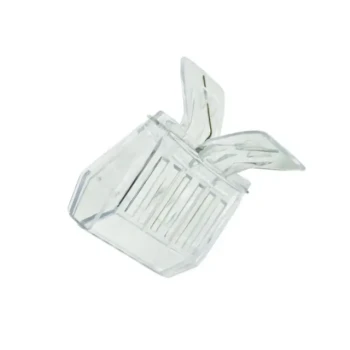
Seasonal adaptation is critical for queen rearing success. You must select artificial queen cell punch tools that create base shapes mirroring the specific structures bees naturally build during different times of the year. To align with these natural preferences, use punches that form vertical semi-ellipsoidal bases in the spring, hemispherical bases in the summer, and horizontal semi-ellipsoidal bases in the autumn.
To optimize queen larva development, artificial cell bases must mirror natural seasonal structural shifts. Aligning tool selection with the colony's instinctual tendency for vertical shapes in spring, hemispherical in summer, and horizontal in autumn enhances the developmental environment.
The Science of Seasonal Selection
Mimicking Natural Geometry
Honey bees do not construct queen cells with identical geometry year-round. Their construction preferences shift based on environmental cues and colony needs.
To achieve high acceptance rates and optimal larval health, your artificial tools must replicate these shifting geometries.
Optimizing Developmental Environments
The shape of the cell base directly influences the space available for the developing queen larva.
By selecting the correct punch tool, you ensure the physical environment supports the larva's growth trajectory specific to that season's biological rhythm.
Specific Tool Recommendations by Season
Spring: Vertical Semi-Ellipsoidal
During the spring rearing season, the colony's natural preference leans toward verticality.
You should select punch tools designed to create a vertical semi-ellipsoidal base. This shape aligns with the rapid expansion and specific architectural instincts bees exhibit early in the season.
Summer: Hemispherical
As the season transitions to summer, the preferred cell structure changes.
For summer rearing, utilize punches that form a hemispherical base. This rounder geometry creates the optimal environment for queen development during the peak warm months.
Autumn: Horizontal Semi-Ellipsoidal
In the autumn, the structural preference shifts again, distinct from both spring and summer.
Tools for autumn rearing should create a horizontal semi-ellipsoidal base. This specific orientation and shape are necessary to match the colony's late-season construction patterns.
Understanding the Trade-offs
The Risk of Static Tooling
A common mistake is using a single "universal" punch tool throughout the entire year.
While financially convenient, failing to adjust the cell base shape can result in a mismatch between the artificial cup and the bees' seasonal instincts. This often leads to lower acceptance rates or sub-optimal comb building around the cell.
Precision vs. Complexity
Adopting a seasonal approach requires maintaining a diverse inventory of punch tools.
You must weigh the logistical complexity of managing three distinct tool sets against the biological benefit of higher quality queens. For professional rearing, the biological advantage invariably outweighs the equipment overhead.
Making the Right Choice for Your Goal
To apply this technical nuance effectively, match your equipment inventory to your specific rearing calendar.
- If your primary focus is Spring Rearing: Prioritize acquiring punches that craft a vertical semi-ellipsoidal base to match early-season expansion instincts.
- If your primary focus is Summer Rearing: Ensure your toolkit relies on punches capable of forming a precise hemispherical base.
- If your primary focus is Autumn Rearing: Switch strictly to tools that create a horizontal semi-ellipsoidal base to align with late-season colony behavior.
By synchronizing your equipment with the seasonal instincts of the colony, you ensure the highest standard of queen development.
Summary Table:
| Season | Preferred Base Shape | Tool Type / Geometry | Key Biological Benefit |
|---|---|---|---|
| Spring | Vertical Semi-Ellipsoidal | Vertical-oriented punch | Aligns with rapid early-season expansion instincts |
| Summer | Hemispherical | Round/Hemispherical punch | Provides optimal volume for peak warm-month growth |
| Autumn | Horizontal Semi-Ellipsoidal | Horizontal-oriented punch | Matches late-season construction and colony behavior |
Maximize Your Colony Productivity with HONESTBEE
At HONESTBEE, we understand that professional beekeeping requires precision tools that respect the biological rhythms of the hive. As a dedicated partner to commercial apiaries and distributors, we provide a comprehensive wholesale range of high-quality beekeeping equipment—from specialized queen rearing tools and honey-filling machines to essential consumables and honey-themed cultural merchandise.
Don't let static tooling limit your queen quality. Equip your operation with the specific hardware needed to thrive in every season. Contact us today to discuss our wholesale offerings and discover how our expertise can streamline your production and enhance your apiary's success!
References
- Shunhua Yang, Kun Dong. Seasonal Variations in the Organization and Structure of Apis cerana cerana Swarm Queen Cells. DOI: 10.13102/sociobiology.v68i4.7208
This article is also based on technical information from HonestBee Knowledge Base .
Related Products
- Retractable Chinese Queen Rearing Grafting Tools Equipment
- Premium Nicot Style Cell Bar Holder and Queen Cell Cup Holder System
- Plastic Chinese Queen Grafting Tool for Bee Queen Rearing
- JZBZ Style Push-In Cell Protector for Professional Queen Rearing Kits
- Stainless Steel Queen Grafting Tool for Beekeeping and Bee Queen Grafting
People Also Ask
- Which specialized tools are necessary for implementing standardized queen rearing? Scale Your High-Yield Apiary
- Why are specialized queen rearing tools necessary to mitigate winter hive losses? Boost Apiary Survival and Recovery
- How do queen-rearing tools facilitate the sustainability and expansion of a commercial apiary? Drive Scalable Growth
- In what ways do modern queen rearing equipment and grafting tools improve competitiveness? Boost Breeding Success Rate
- What role do specialized queen rearing tools and consumables play in modern large-scale apiculture? Drive Production & Scale