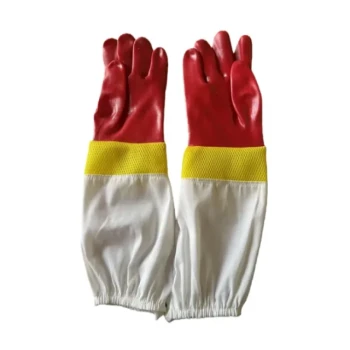
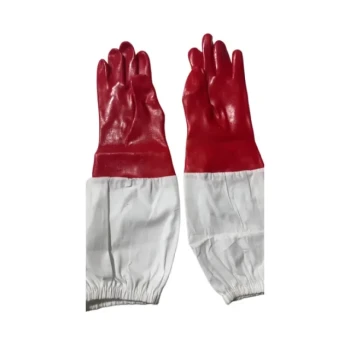
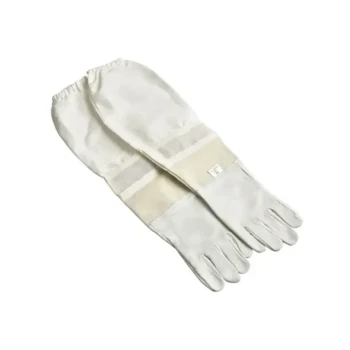
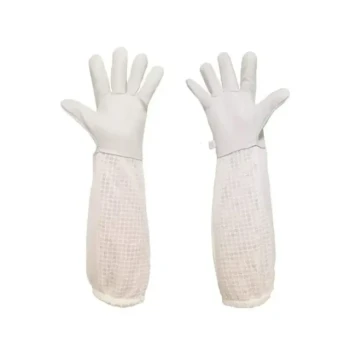
Beekeeping gloves must fit snugly against the hand without being tight enough to restrict circulation or movement. Ideally, the glove should contour closely to your fingers and palm to maximize dexterity, while the cuff (gauntlet) should extend up the forearm—typically to the elbow—allowing you to tuck it securely under your bee suit sleeves to prevent bees from crawling inside.
The most common error in selecting beekeeping gloves is prioritizing thick, loose protection over tactile sensitivity. A glove that fits too loosely leads to clumsy handling, which inevitably causes crushed bees, alarm pheromones, and a more agitated hive.
The Mechanics of Proper Fit
The Importance of a Snug Profile
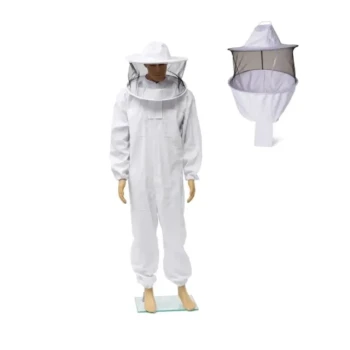
Unlike beekeeping suits, which are designed to be roomy and baggy to keep stingers away from the skin, gloves must be form-fitting.
A snug fit ensures the material does not slide off the wrist or bunch up at the fingertips during use. This close contact provides the necessary friction and control to manipulate hive tools and frames securely.
Gauntlet Length and Integration
Proper gloves should provide full coverage of the hands, wrists, and forearms. Most quality gloves feature extended gauntlets that reach the elbow, often secured by an elastic band.
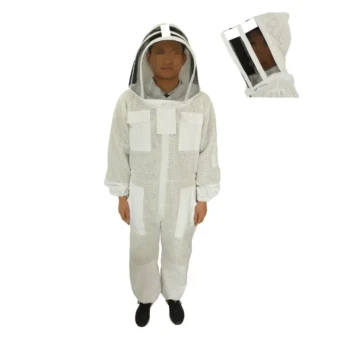
To maximize safety, these long cuffs should be tucked under the sleeves of your bee suit or jacket. This layering technique creates a seal that prevents bees from walking up your arm during an inspection.
Sizing and Measurement
To achieve the correct fit, do not guess your size based on standard winter gloves.
Measure the circumference of your hand just below the knuckles, excluding the thumb. Additionally, measure the length from the base of your palm to the tip of your middle finger to ensure the glove fingers are not too short, which causes fatigue, or too long, which reduces precision.
Understanding the Trade-offs
Dexterity vs. Protection
The central trade-off in beekeeping gloves is balancing the thickness of the material against the ability to feel what you are holding.
Thick leather gloves offer superior protection against stings but can make you clumsy. If you cannot feel the frames, you are more likely to squash bees accidentally. Squashed bees release alarm pheromones, which can turn a calm hive aggressive.
Circulation vs. Security
While a snug fit is vital, a glove that is overly tight is dangerous.
Tight gloves restrict blood circulation and hand movement, leading to fatigue and reduced grip strength. Furthermore, tight fabric stretched against the skin allows stingers to penetrate more easily than material that has a slight amount of give.
Breathability Considerations
Comfort is a safety factor. Hands that are overheating and sweating inside non-breathable gloves become slippery and uncomfortable.
Look for gloves where the extended gauntlet is made of ventilated material. This allows for airflow up the arm while keeping the hand section durable and secure.
Making the Right Choice for Your Goal
Select your gloves based on your experience level and specific needs for the season.
- If your primary focus is maximum dexterity: Choose a glove made of thinner leather (like goatskin) that fits very snugly, allowing you to handle queens and frames with bare-hand-like precision.
- If your primary focus is maximum protection: Opt for thicker cowhide gloves with long, sturdy gauntlets, understanding that you must move slower to avoid crushing bees.
- If your primary focus is finding the right size: Measure your hand circumference at the knuckles and compare it strictly to the manufacturer's chart to avoid the safety risks of loose fabric.
The best glove is one that allows you to work so gently that the bees hardly notice you are there.
Summary Table:
| Feature | Ideal Fit / Requirement | Purpose |
|---|---|---|
| Hand Fit | Snug & form-fitting (contour to fingers) | Enhances tactile sensitivity and grip |
| Gauntlet | Long (up to elbow) with elastic | Prevents bees from entering via sleeves |
| Tightness | Close but not restrictive | Maintains circulation and prevents fatigue |
| Material | Goatskin (thin) or Cowhide (thick) | Balances dexterity vs. sting protection |
| Measurement | Hand circumference & finger length | Ensures precise sizing for better control |
Elevate Your Apiary Operations with HONESTBEE
At HONESTBEE, we understand that the right fit is crucial for both safety and productivity. We specialize in catering to commercial apiaries and distributors, providing a comprehensive wholesale selection of premium beekeeping equipment. From high-dexterity goatskin gloves to advanced honey-filling machinery and hive-making tools, our portfolio is designed to meet every professional need.
Why partner with HONESTBEE?
- Comprehensive Wholesale Offering: A one-stop shop for tools, machinery, and consumables.
- Built for Professionals: High-quality hardware tailored for large-scale operations.
- Industry Expertise: Solutions ranging from essential protective gear to honey-themed cultural merchandise.
Ready to equip your business with the best in the industry? Contact us today at HONESTBEE to discuss our wholesale opportunities and how we can support your growth.
Related Products
- Beekeeping Gloves Goatskin Leather with Long Cotton Sleeve for Beekeepers
- Heavy Duty Red Rubber Beekeeping Gloves with Vented Mesh Cotton Sleeves
- Heavy Duty Red Rubber Beekeeping Gloves with Extended Pure Cotton Sleeves for Beekeepers
- Goatskin Leather Beekeeper Gloves with Vent Long Sleeve for Beekeeping Honey Bee Sting Proof Protection
- Premium Ventilated Goatskin Beekeeping Gloves with Full 3-Layer Mesh Sleeve
People Also Ask
- What are the characteristics of the best gloves for beekeeping? Choose Protection & Dexterity
- What are the primary purposes of using beekeeping gloves? Protect Your Hands and Ensure Apiary Hygiene
- What types of gloves are available for beekeeping? Choose the Right Protection for Your Hive
- Why is it important for beekeepers to wear gloves? Essential Safety and Confidence for Hive Management
- Why do some experienced beekeepers opt not to wear gloves? Discover the Benefits of Tactile Precision