Post-freezing storage requires immediate physical isolation. After the freezing process is complete, honey frames must be placed in airtight bags or sealed containers and moved to a cool, dry location. This specific method prevents moisture accumulation and ensures that pests, such as wax moths, cannot re-infest the equipment you have just sterilized.
The Core Objective Freezing kills existing pests and eggs, but it offers no residual protection once the frames are removed from the cold. The goal of post-freezing storage is to maintain this sterile state by creating a physical barrier against fresh infestations while strictly managing humidity to prevent mold.
Creating a Secure Storage Environment
The Necessity of Airtight Containment
The primary threat to stored frames is re-entry by pests. Once frames are removed from the freezer, they should be stored in airtight bags or sealed plastic containers.
This seal effectively locks out wax moths and hive beetles. If the container is not airtight, your freezing efforts are negated the moment a pest finds a gap to lay new eggs.
Managing Moisture Levels
While sealing frames prevents pests, it introduces the risk of trapping humidity. You must store these containers in a cool, dry area.
Excess heat can cause wax to slump or warp, while fluctuating temperatures can lead to condensation inside the bag. This moisture buildup is dangerous as it encourages mold growth on the pollen and comb.
Inspecting for Contamination
Storage is not a "set it and forget it" process. You must periodically inspect the frames throughout the off-season.
Check for two specific issues: signs of mold development due to trapped moisture, or evidence of pest activity, which indicates a breach in your containment system.
Understanding the Trade-offs
Airtight vs. Ventilated Storage
There is often debate regarding airflow. Some general advice suggests storing unused frames in well-ventilated areas to deter wax moths (who dislike drafts) and prevent mold.
However, post-freezing storage requires an airtight strategy. Ventilation is a passive deterrent, whereas freezing and sealing is an active elimination and exclusion strategy.
The trade-off is that airtight storage is unforgiving regarding moisture. If you seal a frame that is wet or store it in a way that generates condensation, mold is almost guaranteed.
Making the Right Choice for Your Goal
How you handle the frames depends on your immediate threats and resources.
- If your primary focus is total pest exclusion: Seal the frames in heavy-duty plastic immediately after freezing to maintain a sterile barrier against wax moths.
- If your primary focus is preventing mold: Ensure the storage location remains consistently cool and dry to prevent condensation inside your airtight containers.
The success of your storage depends on maintaining the integrity of the seal and the stability of the temperature.
Summary Table:
| Storage Factor | Recommended Action | Purpose |
|---|---|---|
| Containment | Airtight bags or sealed plastic bins | Prevents re-entry of wax moths and hive beetles |
| Environment | Cool, dry location | Minimizes condensation and prevents wax warping |
| Humidity | Monitor for moisture buildup | Prevents mold growth on pollen and comb |
| Maintenance | Periodic visual inspections | Ensures seal integrity and early detection of issues |
Secure Your Apiary’s Future with HONESTBEE
Protecting your honey frames is vital for a productive season, and HONESTBEE is here to support your success. As a premier partner for commercial apiaries and distributors, we provide more than just advice—we offer a comprehensive range of professional-grade beekeeping tools, honey-filling machinery, and hive-making equipment designed for industrial efficiency.
Whether you need heavy-duty consumables or advanced specialized hardware to scale your operations, our wholesale solutions are tailored to meet the demands of the modern beekeeping industry.
Ready to upgrade your equipment or restock your essentials? Contact our expert team today to discover how HONESTBEE can streamline your production and add value to your business.
Related Products
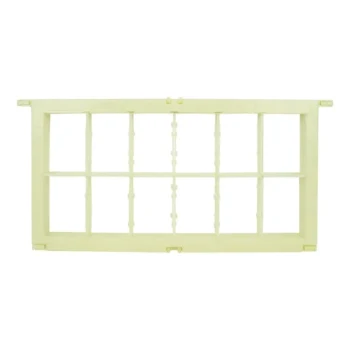
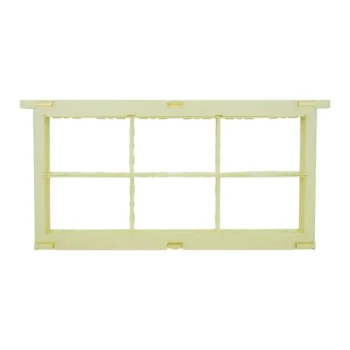
- Professional Sectional Comb Honey Frame with 250g Cassette System for Beekeeping
- Professional 500g Sectional Comb Honey Frame System for Beekeeping
- Heart-Shaped Comb Honey Frame and Honeycomb Cassette
- Plastic Honey Comb Frames Cassette Box for Honey
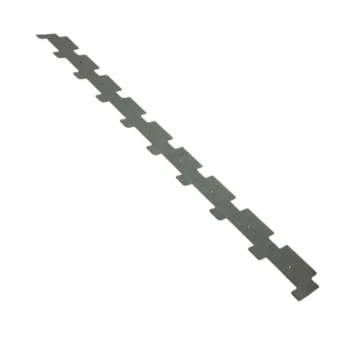
- Heavy Duty Castellated Iron Frame Spacer for Honey Supers
People Also Ask
- How are honeybee combs utilized for non-destructive colony monitoring? Master Population Density Tracking
- What is the technical purpose of exchanging honeycomb frames? Master Apiary Equalization for Growth
- What frame to use for honeycomb? Choose the Right System for Pure, Edible Comb
- What is a honeycomb frame? The Key to Modern, Sustainable Beekeeping
- What are the recommended temperature and duration settings for freezing honey frames? Ensure Pest-Free Comb Storage