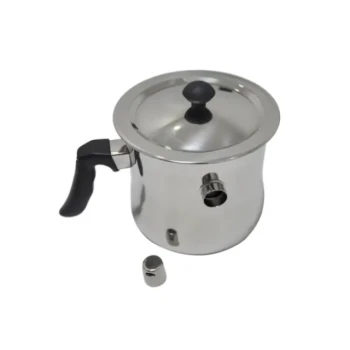
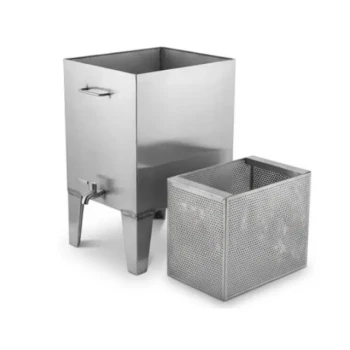
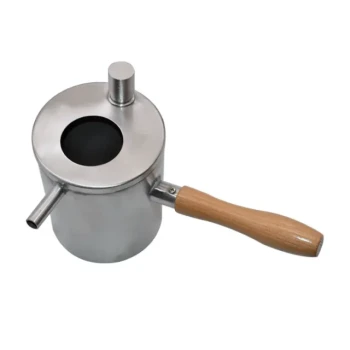
Processing quality beeswax requires strict control over heat and containment materials. To maintain the wax's desirable color and aroma, it must be melted in vessels made of enamel, stainless steel, or aluminum. Crucially, the heating process should be rapid to bring the wax to a boil; contrary to common assumptions, slow heating can actually degrade the wax's quality.
The commercial value of beeswax is determined by its light color and distinct scent, both of which are preserved by rapid boiling in non-reactive vessels. Avoid contact with iron or zinc at all costs to prevent chemical reactions that ruin the product.
Preserving Material Quality
The Importance of Rapid Heating
Speed is essential when processing raw wax to preserve its characteristics. You must heat the beeswax rapidly to a boil.
Prolonged exposure to heat through slow melting allows time for degradation. This can negatively alter the wax, resulting in the loss of its natural aroma and darkening of its color.
Visual Standards
The market value of your product is directly tied to its appearance. Light-colored wax is widely considered the most desirable and valuable grade.
Any processing step that darkens the wax, such as slow heating or contamination, directly reduces its commercial worth.
Preparation for Market
Filtering and Molding
Once the wax is melted and reached a boil, it must be filtered to remove debris and impurities.
After filtration, the liquid wax is poured and molded into blocks. This standardizes the shape for easier handling and measurement.
Packaging for Transport
Commercial beeswax is not typically wrapped in plastic or paper during bulk shipment.
Instead, the molded blocks are shipped as unwrapped lumps inside Hessian bags. This allows for durability and breathability during transport.
Common Pitfalls to Avoid
Reactive Metals
The most critical error in handling beeswax is exposing it to reactive metals. You must strictly avoid contact with iron and zinc.
These metals react chemically with the wax. This reaction creates permanent contamination that compromises the integrity of the product.
Storage Limitations
While aluminum and enamel are acceptable for the melting process, they are not cited for long-term storage or shipping containers.
For storage and shipment vessels, stainless steel is the only appropriate choice. It ensures the wax remains pure and unaffected by the container over long periods.
Making the Right Choice for Your Goal
To ensure you maximize the value of your beeswax, apply these handling principles:
- If your primary focus is Maintaining Value: Ensure you use rapid heat to bring the wax to a boil, as this prevents the degradation of color and smell associated with slow heating.
- If your primary focus is Equipment Selection: Utilize enamel, stainless steel, or aluminum for melting, but strictly limit storage and shipping containers to stainless steel only.
Treat the wax as a sensitive chemical compound; speed and inert materials are your best tools for quality control.
Summary Table:
| Handling Phase | Recommended Action | Approved Materials | Materials to Avoid |
|---|---|---|---|
| Melting | Rapid heating to a boil | Enamel, Stainless Steel, Aluminum | Iron, Zinc |
| Purification | Immediate filtration & molding | Standardized molds | Debris & Impurities |
| Storage | Long-term containment | Stainless Steel Only | Reactive metals |
| Transport | Unwrapped bulk shipping | Hessian Bags | Plastic, Paper wraps |
Elevate Your Apiary Production with HONESTBEE
Maximize the market value of your beeswax by using the right industrial tools. At HONESTBEE, we specialize in supporting commercial apiaries and distributors with high-performance equipment designed to maintain the integrity of your hive products. From advanced melting and filtering machinery to specialized hive-making tools, our comprehensive wholesale offering ensures your operation runs with precision.
Our Value to You:
- Professional Machinery: Durable stainless steel equipment that prevents chemical contamination.
- Complete Supply Chain: A full spectrum of beekeeping tools and essential industry consumables.
- Global Distribution: Reliable solutions tailored for large-scale commercial success.
Don't let improper handling degrade your profits. Contact HONESTBEE today to source the professional equipment your business deserves!
Related Products
- Beeswax Machine Press Embosser Wax Foundation Mold Printer Bee Hive Equipment Making Sheet
- Beeswax Foundation Sheets Beehive Foundation for Wholesale
- Colorful Silicone Beeswax Foundation Mold Mould for Beekeeping
- Economy Manual Beeswax Embossing Mill Wax Foundation Machine Roller
- Electric Beeswax Flat Sheet Machine with Operating Tray for Wax Processing
People Also Ask
- What equipment is needed to make beeswax foundation? A Guide to DIY Wax Sheet Production
- What miscellaneous equipment is needed for making foundation? A Guide to the Essential Tools
- What miscellaneous equipment is useful when making beeswax foundation? Essential Support Tools for Beekeepers
- What specific equipment is required for making beeswax foundation? Essential Tools for High-Quality Production
- What is the recommended temperature for melting beeswax to make foundation sheets? Master the 70°C-80°C Ideal Range