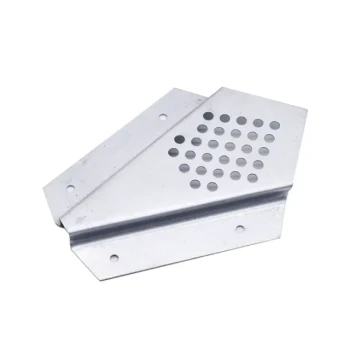
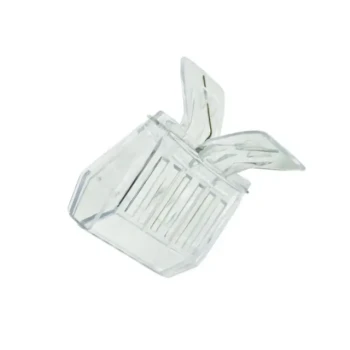
A queen excluder serves as a strategic bottleneck that directly influences a colony’s biomass and temperament by defining the physical limits of the brood nest. By restricting the queen to a specific area of the hive, you effectively cap the number of eggs she can lay, preventing the population from expanding beyond a manageable threshold. This population control is mechanically linked to defensiveness: fewer bees and less brood to protect generally result in a calmer, less aggressive colony.
Core Insight: By confining the queen to a specific brood chamber, you physically limit the colony’s reproductive potential. This prevents the population from outgrowing manageable levels, which significantly reduces defensive behavior—a critical strategy when managing genetics prone to excessive brood rearing.
The Mechanics of Population Control
Limiting Egg-Laying Space
The primary function of the excluder in this context is to restrict the available surface area for oviposition (egg-laying).
If the queen is denied access to honey supers, she cannot utilize that comb for brood production. This creates an artificial ceiling on the colony's growth rate.
Curbing Exponential Growth
Without a physical barrier, vigorous colonies will often expand their brood nest indefinitely as long as resources allow.
An excluder acts as a governor on this engine, keeping the workforce population within a specific, predetermined footprint.
The Correlation Between Size and Aggression
Reducing Defensive Triggers
A colony’s defensiveness is often directly proportional to the size of the population and the volume of brood it must protect.
By limiting the amount of brood present, you lower the colony's biological imperative to deploy large numbers of guard bees.
Managing Resource Allocation
Colonies with unchecked populations consume vast resources to feed larvae, often resulting in a "hand-to-mouth" existence that can increase stress and aggression.
Restricting brood production forces the colony to shift energy from raising larvae to storing resources, often stabilizing the colony's temperament.
Managing Specific Genetics
Addressing High-Brood Traits
Certain bee genetics, particularly those found in Africanized zones, have a biological drive to prioritize brood rearing over honey storage.
These colonies naturally attempt to produce massive populations, which can quickly become dangerous and difficult to work.
The "manageability" Factor
In areas with aggressive genetics, a queen excluder is not just a honey tool; it is a safety device.
It keeps the colony size "manageable," preventing the hive from reaching the critical mass where defensive behavior becomes overwhelming for the beekeeper.
Operational Trade-offs
Balancing Production vs. Population
While restricting the queen reduces aggression, it also limits the maximum workforce available for foraging during a nectar flow.
You must accept a potentially smaller total population in exchange for increased manageability and safety.
The Risk of Congestion
If the space provided below the excluder is too small for the queen's laying capacity, the brood nest may become honey-bound or congested.
This requires careful monitoring, as extreme congestion can trigger swarming impulses even in managed colonies.
Making the Right Choice for Your Goal
To determine if using a queen excluder for population control is right for you, assess your local genetics and management style.
- If your primary focus is Safety in Africanized Zones: Use an excluder to rigorously cap brood production, keeping the colony size below the threshold where aggression becomes unmanageable.
- If your primary focus is Honey Production: Use an excluder to force the colony to store nectar in the supers rather than converting those resources into excess brood and worker bees.
Ultimately, the queen excluder allows you to dictate the colony's biological priorities, ensuring that growth serves your management goals rather than the bees' natural instinct for unchecked expansion.
Summary Table:
| Factor | Influence of Queen Excluder | Impact on Colony |
|---|---|---|
| Population Size | Restricts oviposition space | Caps total workforce and prevents over-expansion |
| Defensiveness | Reduces brood volume to protect | Lowers guard bee deployment and aggression levels |
| Resource Usage | Shifts focus from larvae to storage | Stabilizes temperament by reducing resource stress |
| Genetics Control | Limits high-brood traits | Essential for managing aggressive or Africanized bees |
| Hive Management | Prevents honey supers from brooding | Ensures manageable hive size and easier honey harvest |
Maximize Your Apiary Productivity with HONESTBEE
As a leading global provider for commercial apiaries and distributors, HONESTBEE understands that managing colony temperament and population is vital for a profitable harvest. We offer a comprehensive wholesale range of high-quality queen excluders, hive-making machinery, and honey-filling systems designed to optimize your operations.
Whether you are looking to secure the full spectrum of beekeeping tools or specialized hardware to scale your business, our team is ready to provide the expertise and equipment you need.
Ready to upgrade your commercial beekeeping equipment?
Contact Us Today for a Wholesale Quote
Related Products
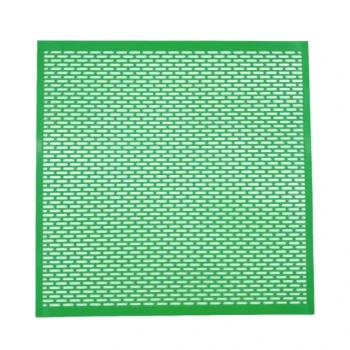
- High Performance Plastic Queen Excluder for Beekeeping and Apiary Management
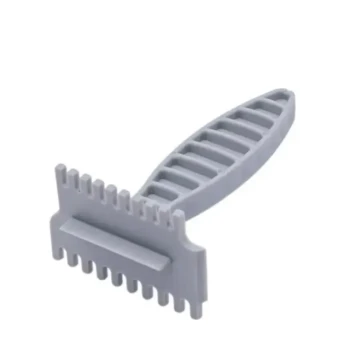
- Lightweight Durable Plastic Queen Excluder Scraper for Beekeeping
- Premium Wood Framed Metal Wire Queen Bee Excluder
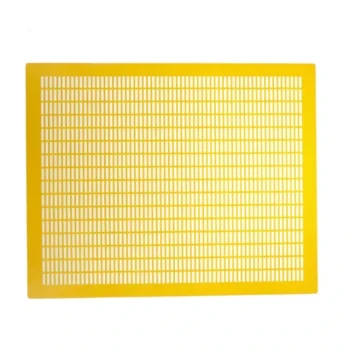
- Professional Plastic Queen Excluder for Modern Beekeeping
- Metal Queen Bee Excluder for Beekeeping
People Also Ask
- What are the characteristics of a plastic queen excluder? Key Benefits for Cost-Effective Beekeeping
- What are the operational and cost advantages of using plastic queen excluders over metal or wire excluders in commercial hive management? Discover how they reduce labor, prevent wing damage, and lower total costs.
- What types of queen excluders are available for beekeepers? Choose the Right Tool for Your Hive
- Why are standardized hive frames and queen excluders essential for maintaining honey purity and quality? Scale Your Purity
- Do plastic queen excluders work? A Cost-Effective Solution for Modern Apiaries