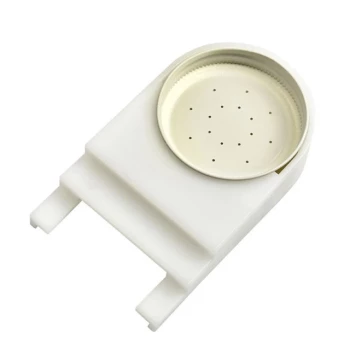
Honey bees require a feeder primarily when natural nectar sources are scarce or when their internal honey reserves are insufficient to sustain the hive. This intervention is critical during environmental extremes, such as droughts or harsh winters, and is equally essential when establishing a new colony that lacks built-up food stores.
Supplemental feeding is a bridge mechanism used to prevent starvation. It should be employed only when the colony's nutritional demand exceeds the available natural supply or stored resources.
Environmental Triggers for Feeding
Dealing with Natural Scarcity
Bees rely on flowering plants for nectar. When the environment fails to produce these blooms, the colony is at risk.
Winter Survival
During long or harsh winters, bees cannot forage. They rely entirely on honey stored during the warmer months.
If the winter is prolonged, these stored reserves may be consumed before spring blooms appear. A feeder provides the calories necessary to prevent the colony from starving in the final weeks of cold weather.
Drought Conditions
Nectar production relies on moisture. During a drought, flowers may bloom but fail to produce nectar, or plants may not bloom at all.
Even in warm weather, a lack of rain can simulate winter-like starvation conditions. A feeder compensates for this environmental deficit.
Colony Development Requirements
Establishing New Colonies
New colonies, such as package bees or swarms, are particularly vulnerable. They do not yet have drawn comb or stored honey.
At the onset of colony establishment, feeding provides the immediate energy required to build wax combs and rear brood. Without this boost, the colony may fail to grow fast enough to survive its first winter.
The Importance of Verification
Monitoring Before Acting
Feeding should not be done on a schedule, but rather based on need. It is recommended that beekeepers actively monitor the hive for food shortages.
Assessing Food Stores
Before installing a feeder, verify the levels of stored honey and pollen. Implementing a feeder is a response to a verified deficit, ensuring you are solving an actual problem rather than introducing unnecessary resources.
Understanding the Trade-offs
The Risk of Unnecessary Intervention
While feeding preserves life, it is not a complete substitute for natural foraging. Reliance on feeders when natural resources are available can mask underlying issues with the location or the queen's performance.
Dependence vs. Support
The goal is to support the bees until they can support themselves. Providing feed when nature is abundant can lead to resource inefficiencies. Always prioritize monitoring the hive's actual status over prophylactic feeding.
Making the Right Choice for Your Hive
To ensure the health of your apiary, assess the specific context of your colony before intervening.
- If your primary focus is Winter Survival: Monitor honey stores late in the season and provide feed if reserves are too low to last until the first spring bloom.
- If your primary focus is Colony Growth: Install a feeder immediately upon hiving a new swarm or package to fuel comb building and rapid population expansion.
- If your primary focus is Disaster Mitigation: Watch for drought conditions and supplement nectar flow to prevent population collapse during the foraging season.
Feed your bees to bridge the gap between their needs and nature's limitations, ensuring their survival to forage another day.
Summary Table:
| Scenario | Primary Reason for Feeding | Timing/Frequency |
|---|---|---|
| Winter Survival | Exhausted honey reserves during prolonged cold | Late winter/early spring |
| New Colonies | Energy for comb building and brood rearing | Immediately upon hiving |
| Drought/Dearth | Natural nectar sources are dry or non-existent | During extreme heat or lack of rain |
| Emergency | Preventing imminent starvation | Whenever stored honey is critically low |
Scale Your Apiary Success with HONESTBEE
Maximize your hive productivity and survival rates with the right tools. As a premier partner for commercial apiaries and distributors, HONESTBEE provides the industry's most comprehensive wholesale range of beekeeping equipment. From high-efficiency honey-filling machines to durable feeders and specialized hardware, we supply everything you need to manage your colonies professionally.
Whether you are expanding your distribution network or upgrading your commercial operation, our high-quality beekeeping machinery and essential consumables are designed for reliability and performance.
Ready to elevate your beekeeping business? Contact us today to explore our wholesale catalog and see how we can support your growth.
Related Products
- Rapid Bee Feeder White Plastic 2L Round Top Feeder for 8 or 10-Frame Bee Hives
- HONESTBEE Entrance Bee Feeder Professional Hive Nutrition Solution for Beekeeping
- White Plastic 0.5L Beekeeping Entrance Feeder for Bees
- HONESTBEE Professional Entrance Bee Feeder Hive Nutrition Solution
- HONESTBEE Entrance Bee Feeder Efficient Hive Front Liquid Feeding Solution for Beekeeping
People Also Ask
- What should be done with feeders and equipment after feeding bees? Essential Steps for Apiary Health
- What should be done if feed in a feeder is not consumed by the bees? Prevent Hive Mold with Prompt Feed Management
- What is the necessity of specialized internal or entrance feeders? Secure Your Hive with Professional Feeding Tools
- How do bee feeders work to preserve colony health during nectar shortages? Essential Guide for Beekeepers
- How quickly does a medium to strong colony usually empty a feeder? A Beekeeper's Guide to Hive Health