Supplemental feeding is required when environmental resources cannot support the colony's biological needs, specifically when hive density exceeds two colonies per acre or during periods of insufficient natural forage. This intervention ensures colony survival through caloric support and enables brood rearing when natural protein sources are scarce.
Core Takeaway: Feeding is a strategic bridge between environmental gaps and colony requirements. It is essential for survival during forage dearths, critical for wax production in new hives, and necessary for accelerating population growth before natural nectar flows begin.
Identifying the Need for Intervention
Beekeepers must evaluate both the external environment and the internal state of the hive to determine when feeding is necessary.
Density and Competition
The carrying capacity of land is finite. The primary reference establishes that feeding becomes necessary when apiary density exceeds two hives per acre.
At this density, natural forage creates a bottleneck. Colonies compete for limited resources, requiring the beekeeper to supplement calories to prevent starvation.
Environmental Scarcity
Nature does not always provide a steady flow of nectar and pollen. Feeding is critical during seasonal transitions, summer droughts, or late spring freezes.
During these "dearths," plants fail to produce adequate quantity or quality of pollen. Without intervention, the colony's growth stalls, and survival is jeopardized.
Establishing New Colonies
Newly installed packages or nucleus colonies (nucs) face a unique calorie deficit. They lack the established infrastructure of a mature hive.
Feeding sugar syrup is essential in this scenario to provide the massive energy reserves required to quickly draw out new wax comb. This allows the queen to lay eggs immediately and establishes the colony’s physical foundation.
Strategic Nutrition Goals
The type of feed provided depends on the specific biological goal the beekeeper is trying to achieve.
Caloric Support for Survival
Sugar syrup (sugar water) acts as a direct substitute for flower nectar. It is the primary fuel for adult bee survival and energy.
This is the "keeping the lights on" feed. It is used to maintain colony weight during winter or to fuel the metabolic cost of wax production in growing hives.
Protein for Brood Rearing
Pollen is the protein source required for raising young bees (brood). If natural pollen is absent, the queen may lay eggs, but the nurse bees cannot feed the larvae.
Beekeepers provide pollen or pollen substitutes to drive population growth. This is particularly vital in early spring to build up colony strength before the optimum natural bloom occurs.
Understanding the Trade-offs
While supplemental feeding is a powerful tool, it must be applied with precision to avoid negative outcomes.
Risk of Robbing
Introducing sugar syrup can incite "robbing behavior," where stronger colonies attack weaker ones to steal food.
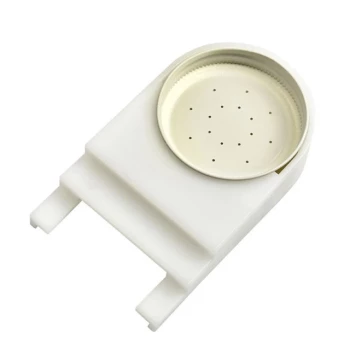
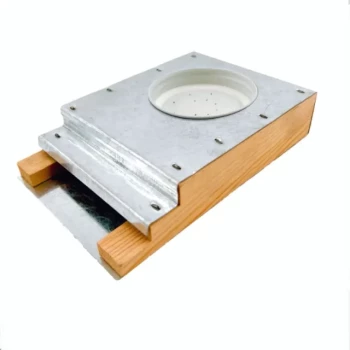
To mitigate this, cover feeders are recommended. They protect the feed from external intruders and utilize the hive’s internal heat to keep the syrup accessible, ensuring only the target colony benefits.
Unnecessary Intervention
Feeding is not a default requirement for every situation. In regions where natural pollen is abundant year-round, supplemental protein feeding may be completely unnecessary.
Over-feeding or feeding when natural resources are sufficient can lead to resource waste. It is a tool for correcting imbalances, not a routine substitute for good location management.
Making the Right Choice for Your Goal
Effective feeding is about timing and objective. Assess your colony's current status against the season to decide your course of action.
- If your primary focus is Colony Survival: Prioritize sugar syrup when hive density is high (>2/acre) or during environmental dearths to prevent starvation.
- If your primary focus is Spring Buildup: Feed pollen substitutes early in the season to accelerate brood rearing before the main nectar flow begins.
- If your primary focus is New Hive Establishment: Provide heavy sugar syrup to packages and nucs to fuel rapid wax secretion and comb building.
The goal of supplemental feeding is to eliminate nutritional stress, allowing the colony to reach its full genetic potential regardless of environmental limitations.
Summary Table:
| Scenario | Supplemental Feed Type | Primary Biological Goal |
|---|---|---|
| High Density (>2 hives/acre) | Sugar Syrup | Prevent starvation due to competition |
| Seasonal Dearth/Drought | Sugar Syrup | Maintain caloric reserves & colony survival |
| New Hive/Package Setup | Heavy Sugar Syrup | Fuel rapid wax secretion & comb building |
| Early Spring/Pre-Bloom | Pollen Substitute | Stimulate brood rearing & population buildup |
| Late Spring Freeze | Sugar Syrup & Pollen | Bridge nutritional gaps until bloom resumes |
Maximize Your Apiary's Potential with HONESTBEE
Strategic feeding is only half the battle; having the right equipment is the other. HONESTBEE caters to commercial apiaries and distributors by offering a comprehensive wholesale range of high-quality beekeeping tools and machinery.
Whether you need specialized hive-making machines to scale your operations, honey-filling machines for efficient production, or essential industry consumables, we provide the hardware and support required to reduce nutritional stress and optimize hive health.
Ready to elevate your beekeeping business? Contact us today to explore our full spectrum of equipment and cultural merchandise tailored for your success.
Related Products
- HONESTBEE Professional Entrance Bee Feeder Hive Nutrition Solution
- HONESTBEE Entrance Bee Feeder Professional Hive Nutrition Solution for Beekeeping
- HONESTBEE Round Hive Top Bee Feeder for Syrup
- In-Hive Dual Compartment Frame Bee Feeder for Targeted Colony Nutrition
- White Plastic 0.5L Beekeeping Entrance Feeder for Bees
People Also Ask
- What types of bee feeders are available for beginners? Start with the Simple Entrance Feeder
- What are the advantages and disadvantages of using an entrance feeder for bees? Balance Convenience and Hive Security.
- How does a bee entrance feeder work? A Simple Guide to Convenient Hive Feeding
- What is a bee entrance feeder and what are its drawbacks? Essential Guide to Hive Security and Feeding Efficiency
- How to make an entrance feeder for bees? A DIY Guide for Safe & Effective Feeding