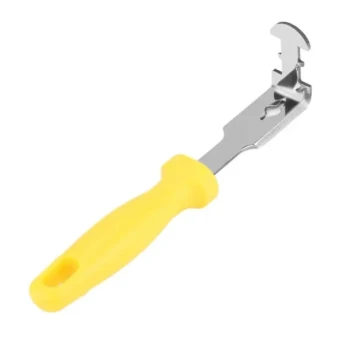
The essential toolkit combines early detection, strict sanitation, physical pest control, and colony-recovery equipment. To counter Sacbrood Virus and small hive beetle (Aethina tumida), apiaries need cleanable inspection tools, dedicated frame-handling equipment, in-hive beetle traps, hygienic hive components, ventilation and entrance-control hardware, and supplies for requeening and nutritional support. No single product eliminates either threat; results depend on coordinated monitoring and management.
The most effective apiary program is a systems approach: detect problems early, prevent transfer between colonies, physically suppress pests, remove heavily affected material, and support strong colonies that can recover naturally.
Build the Apiary Around Early Detection
Precision hive inspection tools
Frequent inspections are essential for identifying abnormal brood, beetles, larvae, damaged comb, moisture problems, and declining colony strength.
A core inspection set should include:
- High-grade stainless steel hive tools
- Frame lifters and frame grips
- Hive scrapers and uncapping knives
- Bee brushes
- Inspection flashlights or headlamps
- Magnifying tools for brood and pest examination
- Hive stands and stable work surfaces
- Clearly labeled inspection and maintenance records
Stainless steel is especially valuable because it is durable, corrosion-resistant, and easier to clean and disinfect than porous or heavily damaged tools.
Sacbrood recognition equipment
Sacbrood commonly appears as uncapped or punctured brood cells containing larvae that shift from pearly white to grayish-yellow. The larvae may develop raised, darkened heads, become liquid-filled sacs, and eventually dry into brittle scales.
Inspection equipment cannot diagnose every brood disease conclusively, but it helps beekeepers identify suspicious colonies early and separate them for closer evaluation or laboratory confirmation.
Prevent Pathogen Transfer Between Colonies
Dedicated and cleanable handling equipment
The same hive tool, gloves, brush, or frame-handling equipment can transfer contaminants between colonies when used without cleaning.
Commercial apiaries should maintain:
- Non-porous hive tools
- Washable frame-handling equipment
- Replaceable or washable bee brushes
- Tool-cleaning stations
- Scrapers for removing wax and propolis buildup
- Separate equipment for suspect or isolated colonies
- Clean transport containers for removed frames
Tools should be cleaned regularly and disinfected according to applicable veterinary, beekeeping, and local regulatory guidance. Equipment that cannot be adequately cleaned should not move freely between colonies.
Hygienic hive components
Hive parts should be easy to inspect, clean, repair, or replace. Useful components include:
- Clean, non-porous bottom boards
- Replaceable hive floors
- Durable frames and frame rests
- Pest-resistant hive covers
- Ventilated inner covers
- Entrance reducers and controlled entrance gates
- Hive stands that reduce ground contact and moisture exposure
Avoid relying on improvised sheet-metal or plastic wraps as a complete protection strategy. Purpose-built hive hardware provides better control of ventilation, access, moisture, and pest movement.
Isolation and workflow controls
A practical sanitation program separates clean and suspect materials. Mark affected colonies clearly, inspect healthy colonies before diseased ones, and avoid returning questionable frames to general inventory until they have been assessed.
This workflow matters as much as the equipment itself. A premium hive tool cannot prevent transmission if it is moved between colonies without cleaning.
Control Small Hive Beetles With Physical Barriers
In-hive beetle traps
Small hive beetle control relies heavily on physically intercepting adult beetles before they reproduce and damage comb.
Commercial product portfolios should include:
- Bottom-board oil traps
- In-hive beetle traps
- Trap inserts and replacement parts
- Beetle-proof or screened hive-floor systems
- Entrance-control devices
- Compatible bait or approved trap media
Trap designs may use food-grade mineral oil, vegetable oil, apple cider vinegar, or other permitted materials, depending on the product design and local rules. Any bait or active material must be used strictly according to its label and regulatory status.
Traps should not create opportunities for bees to contact harmful substances. Designs with controlled entry ports and secure placement are preferable to improvised containers.
External and extraction-facility traps
Beetle management should continue beyond the hive body. Honey rooms, comb storage areas, and extraction facilities can become pest reservoirs if warm, damp, or poorly managed.
Useful supporting equipment may include:
- Extraction-room traps
- Heat, sand, or water-based trapping systems where appropriate
- Low-humidity comb-storage systems
- Sealed storage containers
- Cleaning tools for extraction rooms
- Soil-management products permitted for local use
Beneficial-nematode soil treatments may be used in some management programs, but product approval, environmental conditions, and application requirements must be verified locally.
Comb and honey-super management
Lightly affected frames may be cleaned and evaluated for return to strong colonies, while heavily damaged comb should generally be discarded. High-pressure water sprayers can support cleaning after beetle nests, eggs, and larvae are removed, but washing alone does not make every frame safe for reuse.
Honey supers should be extracted promptly and stored in cool, dry, low-humidity conditions. Fast handling reduces the opportunity for beetle eggs to hatch and larvae to develop.
Support Recovery From Sacbrood
Requeening equipment
Sacbrood is viral, so antibiotics such as oxytetracycline are not a reliable treatment for the disease and may be restricted or prohibited for this use.
For colonies with persistent or significant symptoms, management may include replacing the queen with healthy, suitably selected stock. A commercial requeening package should include:
- Queen cages
- Introduction cages
- Queen-handling tools
- Marking equipment
- Small mating or nucleus-hive equipment
- Queen-rearing supplies
- Transport and holding containers
Requeening is not an instant cure. It works as part of a broader program that removes or limits affected material, reduces stress, and encourages the colony to clear diseased brood.
Feeders and nutritional-support equipment
Weak or recovering colonies may need supplemental sugar syrup or pollen substitutes when natural forage is insufficient.
Appropriate equipment includes:
- Internal hive feeders
- Division-board feeders
- Top feeders
- Syrup containers
- Pollen-supplement feeders
- Leak-resistant feeding accessories
Feeders must be clean and managed carefully to avoid spills and robbing, which can increase stress and disease transmission between colonies.
Ventilation and stress reduction
Good ventilation helps manage excess moisture and supports more stable hive conditions. Ventilated covers, screened components, correctly sized entrances, and elevated hive stands are useful tools.
Ventilation should be balanced rather than excessive. The objective is a dry, stable colony environment—not unrestricted exposure to drafts or pests.
Create a Complete Sanitation Program
Cleaning stations and consumables
A professional apiary should have a repeatable cleaning process rather than relying on occasional tool rinsing.
A sanitation station may include:
- Wash basins or dedicated cleaning containers
- High-pressure water sprayers
- Brushes and scrapers
- Approved disinfectants
- Disposable wipes and absorbent materials
- Protective gloves and eye protection
- Labeled bins for contaminated or discarded comb
- Drying racks and clean storage cabinets
Cleaning and disinfection are separate steps. Remove wax, propolis, dirt, and organic residue first; then apply an appropriate disinfecting method.
Protective clothing and handling gear
Protective equipment supports safer, more frequent inspections and reduces hurried handling.
Recommended items include:
- Veils and ventilated suits
- Long-cuff gloves
- Washable boots
- Sleeve and cuff protection
- Eye protection for spraying or washing
- Washable aprons for extraction and cleaning areas
Protective clothing should also be managed hygienically. Reusing contaminated gloves or clothing across colonies can undermine otherwise strong sanitation procedures.
Equipment zoning and traceability
For larger operations, equipment should be organized by function and risk:
- Clean tools
- In-use tools
- Suspect-colony tools
- Damaged or quarantined frames
- Discarded comb
- Trap and maintenance supplies
Barcodes, labels, inspection logs, and hive-level records help distributors and commercial operators maintain traceability across large inventories.
Understanding the Trade-offs
Traps reduce pressure but do not replace management
Small hive beetle traps physically remove pests, but they do not eliminate the conditions that attract beetles. Weak colonies, excess space, damaged comb, moisture, and delayed extraction can continue to support infestations.
Traps should therefore be combined with strong colony management, clean equipment, timely comb handling, and regular inspections.
Cleaning can damage reusable equipment
High-pressure washing is useful for certain frames and hive components, but excessive pressure can damage wood, foundation, or hardware. Heavily contaminated or extensively damaged comb may be more safely discarded than recovered.
The correct choice depends on the material, the degree of damage, and the ability to clean and verify it reliably.
Natural or low-synthetic options require verification
Mineral oil, vegetable oil, vinegar, diatomaceous earth, boric-acid bait systems, and beneficial nematodes are not interchangeable. Their suitability depends on trap design, bee-contact risk, local regulations, certification requirements, and product labeling.
B2B suppliers should provide clear usage information and avoid presenting any consumable as universally approved for every production system.
Improvised protection creates operational risk
Basic covers, loose sheet materials, and homemade traps may be inexpensive, but they can restrict ventilation, expose bees to contaminants, or fail to prevent pest entry.
Purpose-built equipment generally offers better repeatability, safety, compatibility, and fulfillment reliability—important factors for commercial apiaries and resellers serving multiple beekeeping systems.
Sacbrood symptoms can resemble other brood problems
Visual signs are useful for screening, but Sacbrood should not be confused automatically with American foulbrood, European foulbrood, chalkbrood, pesticide injury, or other causes of brood loss.
When symptoms are severe, unusual, or spreading rapidly, professional or laboratory confirmation is appropriate.
Build a One-Stop Apiary Supply Program
Distributors and wholesalers can support beekeepers more effectively by supplying compatible product groups rather than isolated tools.
A full-spectrum portfolio should cover:
- Inspection and frame-handling tools
- Hive floors, covers, screens, and entrance reducers
- Small hive beetle traps and replacement parts
- Cleaning, spraying, and disinfection equipment
- Protective clothing
- Feeders and nutritional-support supplies
- Queen-rearing and requeening equipment
- Comb-storage and extraction-room supplies
- Labels, records, and inventory-control materials
Product compatibility is a major purchasing concern. Trap dimensions, bottom-board designs, feeder types, frame sizes, and hive standards should be clearly specified before order fulfillment.
Fast response times also matter during outbreaks. Stocking replacement traps, hive components, queen-introduction supplies, and sanitation consumables helps apiaries respond before a localized problem becomes an operation-wide loss.
How to Apply This to Your Apiary or Product Portfolio
Select equipment according to the operating environment, disease risk, and scale of the apiary.
- If your primary focus is Sacbrood prevention: Prioritize inspection tools, cleanable frame-handling equipment, sanitation stations, ventilation hardware, feeders, and requeening supplies.
- If your primary focus is small hive beetle control: Prioritize bottom-board and in-hive traps, entrance-control components, strong hive-management equipment, and low-humidity comb-storage solutions.
- If your primary focus is commercial apiary efficiency: Standardize compatible hive hardware, create clean-and-suspect equipment zones, and maintain replacement inventory for traps, frames, feeders, and protective gear.
- If your primary focus is natural or certified production: Source physically based traps and permitted consumables with verified labeling, certification compatibility, and clear bee-contact safeguards.
- If your primary focus is distribution and resale: Build a one-stop product range supported by technical specifications, rapid response, dependable fulfillment, and guidance on product compatibility.
The strongest defense against brood disease and invasive pests is a disciplined system that combines clean equipment, early detection, physical control, and resilient colony management.
Summary Table:
| Category | Essential Equipment | Purpose |
|---|---|---|
| Inspection Tools | Stainless steel hive tools, frame lifters, bee brushes, flashlights | Early detection of brood abnormalities and pests |
| Sanitation Equipment | Cleaning stations, high-pressure sprayers, disinfectants | Prevent pathogen transfer between colonies |
| Pest Control | Bottom-board oil traps, in-hive traps, entrance reducers | Physically control small hive beetle populations |
| Recovery Supplies | Queen cages, feeders, ventilated covers | Support colony recovery from Sacbrood Virus |
| Protective Gear | Veils, suits, gloves, washable boots | Safe and hygienic handling |
| Supporting Tools | Hive stands, sealing containers, labeling systems | Optimize apiary management and traceability |
Protect your apiary with a complete supply solution. At HONESTBEE, we offer a full spectrum of beekeeping tools, machinery, and equipment, including specialized hardware for hive-making and honey-filling, plus essential consumables like traps, feeders, and sanitation products. Our one-stop sourcing and rapid delivery ensure you have what you need to combat threats like Sacbrood Virus and small hive beetles. For distributors and commercial apiaries, we provide reliable supply chains, OEM/ODM support, and expert advice to optimize your operations. Contact us today to discuss your requirements and let us help you build a resilient apiary program.
Related Products
- HONESTBEE Classic Pry Bar Hive Tool with High Visibility Finish for Beekeeping
- Professional Stainless Steel Pry-Bar Hive Tool
- HONESTBEE Professional Long Handled Hive Tool with Precision Cutting Blade
- Professional Grade Foldable Beehive Handles
- HONESTBEE 15-in-1 Beekeeper Multi-Tool with Hammer and Pliers for Beekeeping
People Also Ask
- What specific challenges do beekeeping hive tools address during hive maintenance? Essential Solutions for Apiaries
- Why are specialized beekeeping tools essential for executing colony health monitoring processes? Enhance Hive Precision
- What are some essential tools for beekeepers? Start Your Apiary with the Right Gear
- What are the essential tools and gear for basic beekeeping? Equip Your Apiary for Success and Safety
- What is the purpose of adding crystalline soda when disinfecting beekeeping tools? Boost Sterilization Efficiency