Successful honey harvesting relies on precision, not just effort. The most frequent errors involve mismanaging heat during uncapping, allowing waste at the uncapping tank, harvesting high-moisture nectar prematurely, insufficient filtration, and neglecting equipment maintenance after the job is done. Avoiding these specific pitfalls is essential to preserving the quality and shelf-life of your crop.
The difference between a premium honey crop and a spoiled batch often comes down to moisture management and equipment hygiene. Prioritizing patience over speed prevents fermentation and protects the delicate flavor profile of your harvest.
Preserving Flavor and Yield During Uncapping
The uncapping process is the first critical step where quality can be compromised. Mistakes here affect both the taste of the honey and the total volume of your harvest.
The Dangers of an Overheated Knife
Using a hot knife is a standard method for removing wax cappings, but temperature control is vital. Overheating the knife can scorch the honey as you cut. This heat damage alters the honey's delicate chemical structure, degrading its natural flavors and introducing a burnt taste.
Managing the Uncapping Tank
It is easy to overlook the efficiency of your uncapping tank, but this is a primary source of loss. Inefficient use of the tank often leads to unnecessary honey waste. You must ensure that the system allows the honey to drain fully from the cappings rather than being discarded with the wax.
Moisture Control and Timing
Perhaps the most catastrophic error in beekeeping is harvesting at the wrong time. This mistake is often irreversible.
The Risk of Premature Harvesting
Harvesting from supers that are not fully capped is a significant risk. When honey is not capped, it indicates the bees have not yet reduced the water content sufficiently. Premature harvesting results in high moisture content, which creates an environment where yeast can thrive, causing the honey to ferment and spoil.
Finishing and Maintenance
Once the honey is extracted, the job is not complete. The final processing steps and equipment care determine the purity of the product and the longevity of your gear.
Ensuring Clarity through Filtration
Skipping or rushing the filtration process is a common oversight. Adequate filtration is necessary to remove wax particles, bee parts, and other debris. Failing to do so leaves impurities in the final product, resulting in a gritty texture and an unprofessional appearance.
Post-Harvest Equipment Hygiene
The harvest does not end when the jars are filled. Neglecting post-harvest equipment care invites serious long-term problems. thoroughly cleaning extractors and tanks prevents contamination of future batches and stops pests, such as ants or wax moths, from infesting your storage area.
Understanding the Trade-offs
When harvesting, you are constantly balancing the desire for efficiency against the need for quality. Understanding where these goals conflict helps you avoid common pitfalls.
Speed vs. Flavor Integrity
Turning up the temperature on a hot knife allows you to slice through wax cappings much faster. However, this speed comes at the cost of flavor integrity. You must accept a slower pace with a cooler knife to preserve the floral notes of the honey.
Volume vs. Shelf Stability
It can be tempting to pull frames early to maximize volume or beat the weather. However, harvesting uncapped frames trades shelf stability for immediate convenience. While you may get the honey into the jar sooner, you significantly increase the probability of fermentation later.
Making the Right Choice for Your Goal
To ensure a high-quality product, align your harvesting practices with your specific objectives.
- If your primary focus is Flavor Quality: Regulate your hot knife temperature carefully to avoid caramelizing the sugars and altering the taste.
- If your primary focus is Shelf Stability: Wait until frames are fully capped to ensure low moisture content and prevent fermentation.
- If your primary focus is Equipment Longevity: Commit to a rigorous post-harvest cleaning schedule to prevent pest infestation and residue buildup.
Mastering these details transforms a raw agricultural product into a professional-grade harvest.
Summary Table:
| Harvesting Mistake | Primary Risk | Prevention Strategy |
|---|---|---|
| Overheated Knife | Scorched flavor & chemical damage | Maintain moderate heat to preserve floral notes. |
| Premature Harvesting | Fermentation due to high moisture | Only harvest from frames that are fully capped by bees. |
| Poor Tank Efficiency | Significant honey waste | Use a high-quality uncapping tank for proper drainage. |
| Inadequate Filtration | Gritty texture & impurities | Use multi-stage filters to remove wax and debris. |
| Neglected Cleaning | Contamination & pest infestation | Thoroughly clean extractors and machinery immediately after use. |
Elevate Your Apiary Operations with HONESTBEE
Don't let avoidable mistakes compromise your harvest. HONESTBEE provides commercial apiaries and distributors with professional-grade solutions designed for precision. From advanced honey-filling machines and durable extractors to high-efficiency uncapping tanks and essential consumables, our comprehensive wholesale offering ensures your honey remains premium from hive to jar.
Whether you are scaling your honey production or supplying the industry, we bring the tools and hardware needed to maximize your yield and protect your reputation. Partner with HONESTBEE today—Contact us for wholesale pricing and equipment solutions!
Related Products
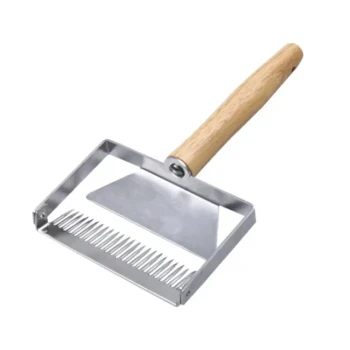
- All-Stainless Steel Pivoting Honey Uncapping Fork for Beekeeping
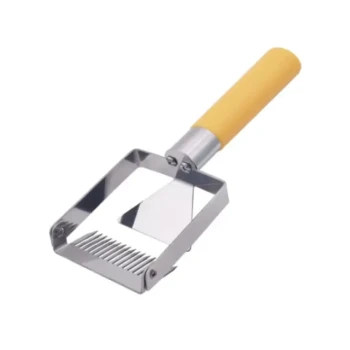
- Stainless Steel Pivoting Honey Uncapping Fork with Plastic Handle
- HONESTBEE 2 Frame Manual Acrylic Honey Extractor Beekeeping Equipment
- Electric 8 Frame Honey Spinner Extractor Equipment for Beekeeping
- Professional Stainless Steel Pry-Bar Hive Tool
People Also Ask
- How does a honey uncapping fork supplement the use of an uncapping knife? Boost Your Honey Yield and Extraction Efficiency
- What is the design purpose of honey uncapping forks and honey uncapping tanks? Maximize Your Harvest Efficiency
- What are the essential tools for uncapping honey frames? Choose the Right Tool for Your Apiary
- What is the primary function of specialized honey uncapping tools? Maximize Your Extraction Yield and Efficiency
- What tools are used for honey uncapping? Choose the Right Knife for Your Harvest