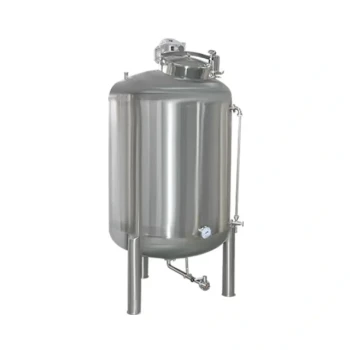
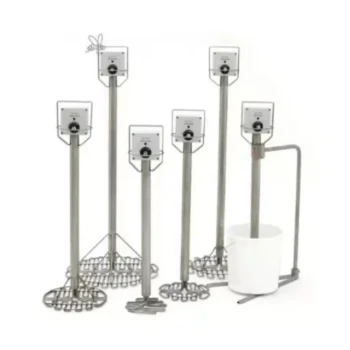
Professional-grade storage and processing infrastructure is the definitive link between raw agricultural output and a high-value commercial asset. It ensures financial viability by creating a controlled environment that rigorously prevents contamination and preserves the honey’s active ingredients and distinct flavor profiles. This technical precision allows producers to bypass low-margin commodity markets and secure high-premium positioning based on verifiable quality standards.
The Core Reality: Investing in industrial-grade facilities transforms beekeeping from a survival-based activity into a resilient commercial model. By mechanizing hygiene and standardizing output, producers can eliminate spoilage risks and unlock access to lucrative pharmaceutical, confectionery, and international export markets.
Preserving Value Through Controlled Environments
Maintaining Chemical and Sensory Integrity
The primary driver of financial value in honey is its "natural quality status." Professional facilities provide the controlled post-harvest environment necessary to maintain this status.
By regulating temperature and humidity, these facilities preserve the stability of the honey's active ingredients. This preservation is the baseline requirement for entering premium markets that demand specific flavor profiles and chemical properties.
Preventing External Contamination
Manual handling is a significant source of secondary contamination, which devalues the final product. Professional infrastructure utilizes automatic filling and processing equipment to minimize human contact.
This ensures the honey remains additive-free and hygienically pure. Meeting these strict hygiene safety requirements is often a prerequisite for obtaining organic certifications or selling to high-end commercial buyers.
Enhancing Market Access and Stability
Eliminating Spoilage Risks
Raw honey is susceptible to fermentation caused by natural yeasts. Professional processing facilities are equipped to heat and filter honey specifically to eliminate these fermenting yeasts and remove impurities.
This process guarantees the shelf stability of the final product. Without this shelf life assurance, honey cannot be distributed through extended commercial supply chains, severely limiting the producer's market reach.
Enabling Standardization and Traceability
High-value markets, particularly in the pharmaceutical and food sectors, require consistent specifications. Advanced equipment allows cooperatives to grade honey according to strict quality standards, such as AGMARK.
Furthermore, mechanized workflows enable full traceability of the production process. This consistency ensures that every batch meets the same physical and sensory criteria, a critical factor for competing in standardized international markets.
Driving Economic Efficiency
Increasing Yield and Labor Productivity
Transitioning to industrial-grade equipment, such as modern hives and automatic extractors, significantly boosts operational efficiency. This hardware facilitates non-destructive collection during peak nectar flows.
Data indicates that adopting these modern technologies can increase honey yield and producer income by approximately 27%. This increase in output value per unit of labor is essential for establishing stable cash flow.
Enhancing Economic Resilience
Standardized equipment does more than just process honey; it protects the apiary's long-term viability. Modern systems enhance resilience against environmental risks, such as drought.
By moving away from decentralized, manual operations, producers can achieve the high-volume production necessary to weather market fluctuations and environmental challenges.
Understanding the Trade-offs
Balancing Processing with Purity
While heating and filtration are necessary for stability, there is a fine line between preservation and degradation. Over-processing can strip honey of the very active ingredients that the primary reference highlights as valuable.
Operators must ensure that industrial efficiency does not compromise the "natural quality standards" that justify premium pricing. The goal is stabilization, not sterilization.
Capital Intensity vs. Scale
Implementation of professional facilities requires significant upfront capital. This investment is only financially viable if the operation has sufficient volume to justify the cost.
For smaller operations, the cost of automation and maintenance may outweigh the 27% income increase unless they aggregate their product through cooperatives to achieve economies of scale.
Making the Right Choice for Your Goal
To maximize the return on investment in processing infrastructure, align your equipment choices with your specific market targets.
- If your primary focus is the Pharmaceutical or Organic Market: Prioritize advanced automation for filling and packaging to ensure absolute hygiene, traceability, and the preservation of active ingredients.
- If your primary focus is Mass Market Retail and Export: Focus on filtration and heating technologies that guarantee shelf stability and standardize the product for consistent grading (e.g., AGMARK).
Financial viability in honey production is not just about how much you harvest, but how effectively you protect the quality of that harvest through professional infrastructure.
Summary Table:
| Key Investment Area | Financial & Operational Impact | Primary Market Benefit |
|---|---|---|
| Climate-Controlled Storage | Preserves active ingredients & flavor profiles | Access to Premium/Pharma Markets |
| Automated Filling & Processing | Minimizes contamination & labor costs | Organic Certification Eligibility |
| Filtration & Heating Tech | Eliminates fermentation & spoilage | Extended Shelf Life & Global Export |
| Industrial-Grade Machinery | Increases honey yield by approx. 27% | Higher Revenue & Economic Resilience |
Maximize Your Apiary’s Revenue with HONESTBEE Professional Solutions
Transitioning from raw harvesting to high-premium commercial assets requires more than just hard work—it requires industrial-grade precision. HONESTBEE specializes in empowering commercial apiaries and distributors with the comprehensive tools needed to dominate the market.
From advanced hive-making and honey-filling machines to essential industry consumables and honey-themed merchandise, we provide the full spectrum of equipment to ensure your honey meets the most rigorous international standards. Whether you are aiming for pharmaceutical purity or mass-market scale, our wholesale offerings are designed to boost your yield and secure your financial future.
Ready to upgrade your processing infrastructure?
Contact HONESTBEE Today to Discuss Your Wholesale Equipment Needs
References
- Dicky Chandra, Indah Murdyani. Financial Feasibility Of Royal Honey Sakah Bee Agrotourism. DOI: 10.24843/ijoss.2025.v01.i01.p04
This article is also based on technical information from HonestBee Knowledge Base .
Related Products
- Professional Honey Storage Tank with Agitation System
- Stainless Steel Honey Storage and Settling Tank with Double Strainer
- Stainless Steel Honey Storage Tank with Lid for Honey
- Heavy Duty Stainless Steel Honey Processing Machine Decrystallizing Tank
- Honey Concentrating and Filtering Dehumidifier Machine 2T Capacity for Honey
People Also Ask
- What economic role do honey storage tanks play? Boost Your Revenue Through Strategic Inventory Management
- What roles do industrial honey storage tanks and filtration meshes play in processing? Ensure Purity & Consistency
- What is the purpose of a honey storage tank? Streamline Your Honey Processing for Quality & Efficiency
- What are honey storage tanks used for? Essential Features for Quality Preservation and Profit
- How do large honey storage tanks and gravity fall filling systems improve honey packaging efficiency and safety?