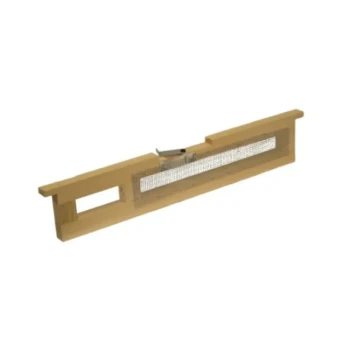
Graft-free queen rearing is primarily achieved through the use of specialized cup-kit systems, most notably the Jenter and Nicot systems. These methods allow small-scale beekeepers to bypass the delicate manual transfer of larvae while still producing numerous, high-quality queen cells.
Core Takeaway Traditional grafting requires exceptional vision and a steady hand to avoid damaging fragile larvae. Cup-kit systems like Jenter and Nicot solve this by allowing the queen to lay eggs directly into removable cups, eliminating the risks associated with manual handling.
The Challenge with Traditional Grafting
The Precision Barrier
To understand the value of graft-free methods, you must understand the difficulty of the alternative. Traditional grafting requires the beekeeper to identify and scoop out a specific, freshly hatched larva using a fine tool.
The Biological Risk
This manual process is fraught with risk. If a larva is accidentally flipped during transfer, it can drown in its own fluid. Furthermore, the sheer physical difficulty demands excellent eyesight and motor control, making it impractical for many hobbyists.
The Solution: Cup-Kit Systems (Jenter & Nicot)
Automating the Transfer
The Jenter and Nicot systems are designed to facilitate production without touching the larvae. Instead of you moving the larvae, the queen does the work for you. She is confined in a special cassette containing removable plugs or cups.
Safe Relocation
Once the queen lays eggs in these cups and the larvae hatch, the beekeeper removes the entire cup rather than the larva itself. This ensures the larva is never touched, flipped, or drowned during the process.
Triggering Queen Development
Despite the different method of transfer, the biological principles remain the same. Once the cups are moved to a cell-building colony, they are oriented vertically. As noted in standard rearing biology, this vertical orientation stimulates nurse bees to feed the larvae a rich diet of royal jelly. This diet induces the necessary epigenetic changes to turn a worker larva into a queen.
Understanding the Trade-offs
Equipment vs. Skill
The primary trade-off is financial cost versus manual skill. Traditional grafting requires only a simple tool but high dexterity. Graft-free systems require purchasing specific kits (cassettes, endless plugs, holders), but they significantly lower the skill barrier.
Scale of Production
While excellent for small-scale production, these systems have limitations. They require managing the queen within a confinement box, which adds a step to the workflow. For massive commercial operations, traditional grafting remains faster, but for the backyard beekeeper, the Jenter or Nicot system provides reliability.
Making the Right Choice for Your Goal
To decide between learning to graft or buying a system, assess your resources:
- If your primary focus is simplicity and success rate: Invest in a Nicot or Jenter system to eliminate the risk of damaging larvae during transfer.
- If your primary focus is low-cost operation: Practice traditional grafting with a simple tool, accepting that there is a steep learning curve regarding steadiness and vision.
Ultimately, the best method is the one that allows you to consistently produce healthy queens without damaging the larvae.
Summary Table:
| Feature | Traditional Grafting | Graft-Free Systems (Jenter/Nicot) |
|---|---|---|
| Skill Level | High (Requires steady hand/vision) | Low (Automated egg-laying) |
| Larva Risk | High (Risk of injury or drowning) | Minimal (No manual handling) |
| Equipment Needs | Simple grafting tool | Specialized cup-kit cassettes |
| Cost | Very Low | Moderate (Initial kit investment) |
| Scale | Unlimited (Best for commercial) | Small to Medium scale focus |
| Core Mechanism | Manual transfer to cell cups | Queen lays directly into removable cups |
Scale Your Apiary with HONESTBEE Professional Equipment
Ready to elevate your queen rearing success? HONESTBEE specializes in supporting commercial apiaries and distributors with a comprehensive range of high-quality beekeeping tools and machinery. Whether you are looking for precision cup-kit systems, advanced honey-filling machines, or bulk industry consumables, our portfolio is designed to enhance your efficiency and output.
Partner with a supplier that understands the needs of the modern beekeeping industry. From specialized hardware to honey-themed cultural merchandise, we provide the full spectrum of equipment to help your business thrive.
Unlock your apiary’s potential — Contact HONESTBEE today to discuss our wholesale offerings!
Related Products
- No Grafting Queen Rearing Kit: System for Royal Jelly Production and Queen Rearing
- Jenter Queen Rearing Kit Complete Set for Bee Breeding
- Nicot Queen Rearing Kit for Beekeeping and Grafting in Nicot System
- Stainless Steel Beekeeping Queen Grafting Tool for Honey Bee Rearing
- Retractable Chinese Queen Rearing Grafting Tools Equipment
People Also Ask
- What is the primary function of a queen rearing kit? Eliminate Manual Grafting for Superior Bee Breeding
- How do specialized queen rearing kits and queen management tools improve the success rate of bee colony expansion?
- What are some alternative methods to grafting for queen cell production? Discover Graft-Free Queen Rearing Systems
- Are queen rearing systems generally suitable for all honeybee species? Master Efficient Breeding Methods
- Are queen rearing systems suitable for all beekeepers? Modern Tools for Every Experience Level