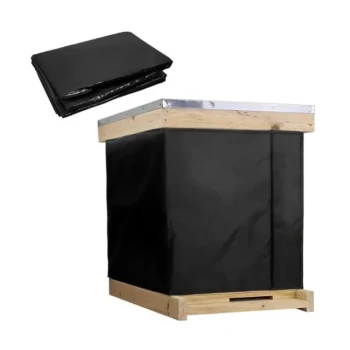
Supplemental cooling techniques for beehives range from evaporative methods like mist systems and wet towels to structural adjustments such as white paint and screened bottom boards. While bees are generally capable of self-regulation, extreme heat may warrant external interventions like placing ice buckets on the outer cover, using fans, or adding physical shade to reduce thermal stress.
Core Insight: While most colonies regulate temperature efficiently on their own, supplemental cooling is a valuable contingency for extreme climates. The goal of these techniques—whether through evaporation, ventilation, or reflection—is to assist the bees in managing heat load without disrupting the internal hive environment.
Leveraging Evaporative and Active Cooling
utilizing Water and Mist
In very hot climates, mist systems can be employed to spray the hive with water. This is most effective when done in the early morning to moderate the temperature rise before the heat of the day peaks.
The Wet Towel Method
Draping a wet towel over the hive provides immediate evaporative cooling. Be aware that this method requires active maintenance, as the towel must be re-wetted throughout the day to remain effective.
External Ice Application
You can place a bucket of ice directly on top of the hive to cool it from the outside down. It is critical to note that ice should never be placed inside the hive, as this disrupts humidity and internal stability.
Mechanical Ventilation
Using a fan on low speed can aid the natural ventilation of the hive. This helps move stagnant hot air away from the colony, complementing the bees' own fanning behavior.
Structural Adjustments for Passive Cooling
Enhancing Airflow with Hardware
Replacing solid floors with screened bottom boards significantly increases airflow through the hive. As a secondary benefit, these boards can be equipped with oil pan traps to help manage small hive beetle infestations.
Optimizing Top and Bottom Ventilation
Heat naturally rises, so allowing it to escape is vital. Use ventilated inner covers with holes to let hot air exit the top, and ventilated entrance reducers to protect the colony while maintaining air intake at the bottom.
Reflecting Solar Radiation
Painting the outer covers white is a simple, passive way to reflect sunlight. This prevents the hive materials from absorbing excess solar radiation and transferring that heat into the colony.
Adding Physical Shade
Direct sunlight is a major source of heat gain. Laying a simple piece of wood over the top of the hive acts as a shield, providing direct shade and an insulating air gap for the cover.
Understanding the Trade-offs
Necessity vs. Intervention
It is important to recognize that these techniques are not typically necessary for the average beekeeper. Bees are highly resilient; over-intervening can sometimes cause more stress than the heat itself.
Maintenance Requirements
Methods like wet towels or ice buckets are labor-intensive. They require you to be physically present to monitor and replenish cooling sources, making them less ideal for remote apiaries.
Making the Right Choice for Your Goal
Selecting the right cooling method depends on the severity of the heat and your ability to monitor the hive.
- If your primary focus is passive, low-maintenance cooling: Prioritize structural changes like painting covers white, using screened bottom boards, and installing ventilated inner covers.
- If your primary focus is emergency heat relief: Utilize immediate interventions like placing a bucket of ice on the outer cover or draping a wet towel over the hive.
- If your primary focus is consistent daily management: Consider setting up a morning mist system or a low-speed fan to mechanically assist the colony.
Trust the bees' natural ability to adapt, but be ready to step in with these tools when the climate pushes the limits of their endurance.
Summary Table:
| Technique Category | Specific Method | Maintenance Level | Best Use Case |
|---|---|---|---|
| Passive Structural | White Paint / Shade Boards | Low | Long-term prevention of solar gain |
| Passive Airflow | Screened Bottom Boards | Low | Improving daily ventilation & pest control |
| Active Evaporative | Mist Systems / Wet Towels | High | Immediate cooling during peak heat waves |
| Emergency Cooling | External Ice Buckets | High | Critical heat relief for struggling colonies |
| Mechanical | Low-speed Fans | Medium | Aiding natural fanning in stagnant conditions |
Secure Your Apiary Against Extreme Heat with HONESTBEE
Maintaining the perfect hive climate is critical for colony health and honey production. HONESTBEE supports commercial apiaries and distributors with high-performance beekeeping solutions designed for the toughest environments. From durable hive-making machinery and precision honey-filling equipment to a complete range of wholesale beekeeping tools and industry consumables, we provide the hardware you need to scale your operations.
Ready to optimize your production and protect your bees? Contact us today to explore our wholesale offerings and see how our specialized equipment can enhance your apiary's efficiency.
Related Products
- Stainless Steel Round Beehive Air Vents for Ventilation
- Professional Insulated Winter Hive Wrap for Beekeeping
- Inner Beehive Cover for Beekeeping Bee Hive Inner Cover
- Professional Insulated Plastic Bee Hives
- Steel Round Disc Entrance Reducer for Flexzion Bee Hive Nuc Box Gate
People Also Ask
- How does ventilation affect colony health, and how should it be managed seasonally? A Guide to Preventing Moisture & Overheating
- Why is proper ventilation important in a beehive? Prevent Mold, Regulate Temperature, and Boost Colony Health
- How can a beekeeper provide proper ventilation for a beehive throughout the year? Seasonal Strategies for Bee Health
- Why is good ventilation crucial when transporting beehives? Protect Your Colony from Lethal Overheating
- How can ventilation be added to a beehive without using an inner cover? Simple, Effective Solutions for Healthy Hives