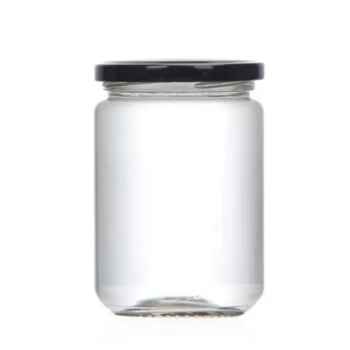
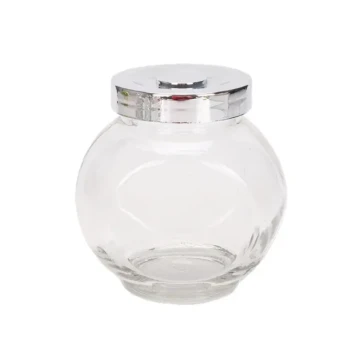
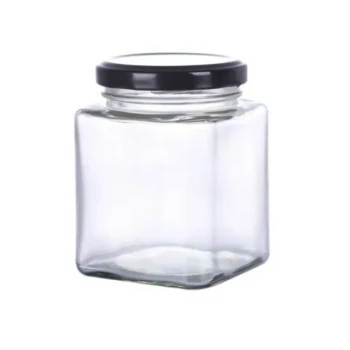
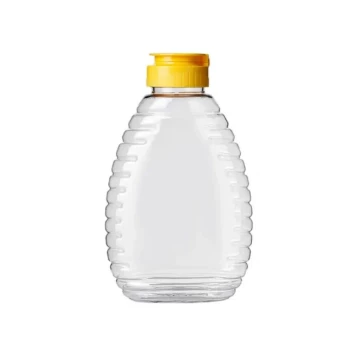
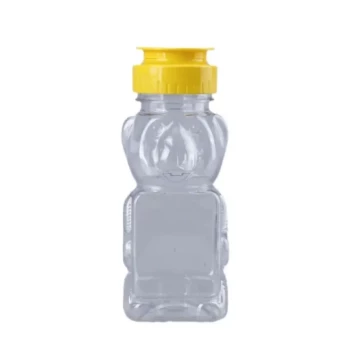
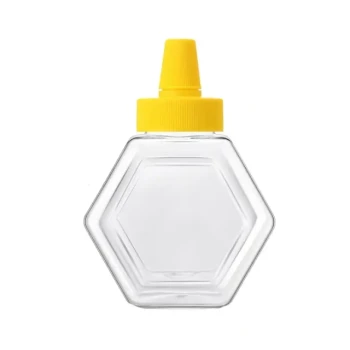
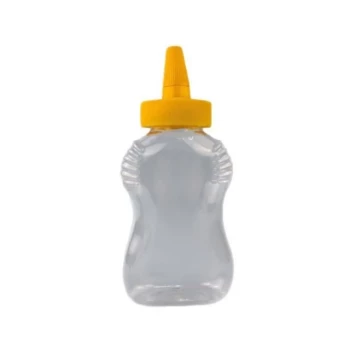
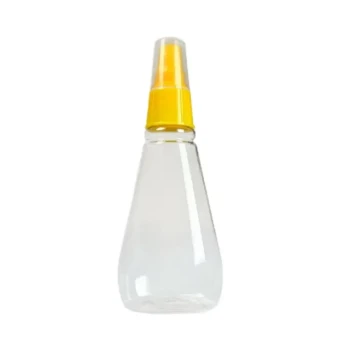
Glass is the superior choice for preserving flavor and quality over time, while plastic offers unmatched convenience and durability for transport. Glass provides a non-reactive, chemically inert environment that maintains the honey's original taste and creates a tighter seal against moisture. Plastic, conversely, is lightweight, unbreakable, and cost-effective, making it the practical option for shipping and daily use, provided strictly food-grade materials are used to avoid chemical leaching.
Honey is naturally hygroscopic, meaning it constantly pulls moisture from the air. Therefore, regardless of the material chosen, the integrity of the airtight seal is the single most critical factor in preventing fermentation and spoilage.
Preserving Quality and Purity
For those prioritizing the biological integrity and flavor profile of the honey, the material's chemical properties are paramount.
Chemical Inertness
Glass is non-reactive, meaning it will not interact with the honey's acidic composition. This ensures the honey retains its original aromatic compounds and flavor profile without alteration.
Avoiding Leaching
Plastic containers, especially those not rated for food safety, pose a risk of interacting with the honey over long periods. This can potentially affect the taste and quality of the product.
Barrier Against Moisture
Glass is non-permeable. A high-quality glass jar typically offers a superior airtight seal compared to standard plastic, effectively blocking environmental moisture and odors from entering the container.
Practicality and Logistics
When the goal shifts from long-term preservation to ease of use and distribution, physical attributes become the deciding factor.
Durability and Safety
Plastic is shatterproof. For households with children or for shipping products through rugged terrain, plastic eliminates the risk of dangerous breakage associated with glass.
Weight and Cost
Glass is heavy and adds significant weight to shipping calculations. Plastic is lightweight, reducing transport costs and making it more convenient for travel or frequent handling.
Affordability
generally, plastic containers are more affordable to manufacture and purchase. This makes them a logical choice for bulk storage or budget-conscious everyday use.
Understanding the Trade-offs
Choosing a container involves balancing aesthetic and chemical benefits against physical risks.
The Risk of Oxidation
While glass prevents oxidation, storing honey in metal or non-food plastic can accelerate it. Oxidation degrades the honey, leading to browning and a loss of nutritional value.
Visual Inspection
Glass offers high transparency. This allows for immediate visual inspection of the honey’s color, clarity, and crystallization status, which is often difficult with opaque or cloudy plastic containers.
Sustainability
Glass is infinitely recyclable and often reusable for other storage needs. While some plastics are recyclable, they generally have a shorter lifecycle and lower environmental sustainability profile compared to glass.
Making the Right Choice for Your Goal
Select your container based on how long you intend to store the honey and how often it will be moved.
- If your primary focus is Long-Term Storage: Choose glass jars with airtight lids to maintain flavor, prevent moisture absorption, and avoid chemical leaching.
- If your primary focus is Shipping or Travel: Choose food-grade plastic to ensure the container is lightweight, impact-resistant, and shatterproof.
- If your primary focus is Premium Sales: Choose high-transparency glass to showcase the product's clarity and convey a higher perceived value to the customer.
By matching the container material to your specific usage requirements, you ensure the honey remains safe, delicious, and practical for your needs.
Summary Table:
| Feature | Glass Containers | Plastic Containers |
|---|---|---|
| Flavor Preservation | Superior (Non-reactive/Inert) | Risk of leaching over time |
| Moisture Barrier | High (Non-permeable) | Moderate (Material dependent) |
| Durability | Fragile (Shatter risk) | High (Shatterproof) |
| Weight | Heavy (Higher shipping cost) | Lightweight (Lower shipping cost) |
| Sustainability | Infinitely Recyclable | Variable (Lower lifecycle) |
| Best Use Case | Long-term storage & Premium sales | Transport, shipping, & Daily use |
Elevate Your Beekeeping Business with HONESTBEE
Whether you are a commercial apiary scaling production or a distributor seeking high-quality supplies, HONESTBEE is your strategic partner. We offer a comprehensive wholesale portfolio designed to enhance every stage of your honey production—from specialized hive-making and honey-filling machines to a full spectrum of durable beekeeping tools and essential consumables.
Maximize your product's value and operational efficiency with our professional-grade equipment and honey-themed cultural merchandise. Contact us today to discuss your wholesale needs and discover how we can streamline your supply chain with our premium beekeeping solutions.
Related Products
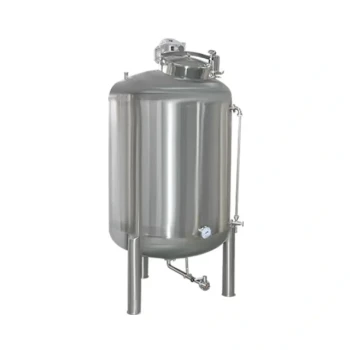
- Stainless Steel Honey Storage Tank with Lid for Honey
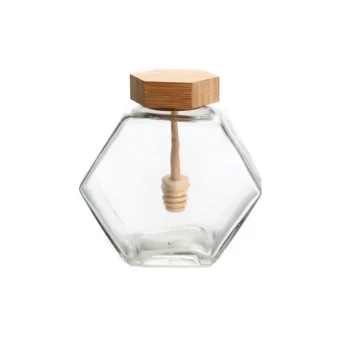
- Hexagonal Glass Honey Jar with Wooden Lid Integrated Dipper Elegant Functional Storage
- Stainless Steel Honey Storage and Settling Tank with Double Strainer
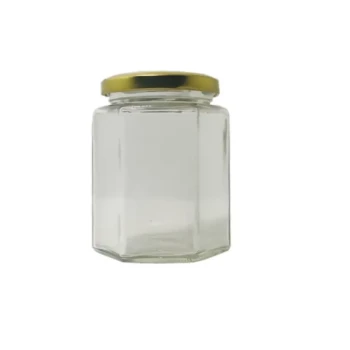
- Hexagonal Glass Honey Jars with Metal Lug Caps Elegant Versatile Packaging
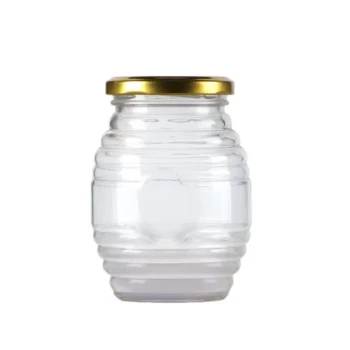
- Classic Glass Honey Jar with Metal Lug Cap for Beehive Storage
People Also Ask
- What economic role do honey storage tanks play? Boost Your Revenue Through Strategic Inventory Management
- What roles do industrial honey storage tanks and filtration meshes play in processing? Ensure Purity & Consistency
- What is the purpose of a honey storage tank? Streamline Your Honey Processing for Quality & Efficiency
- What are honey storage tanks used for? Essential Features for Quality Preservation and Profit
- How do large honey storage tanks and gravity fall filling systems improve honey packaging efficiency and safety?