The primary advantage of using a queen excluder is the optimization of honey production and hive management. By physically confining the queen to the brood chamber, beekeepers ensure that honey supers remain free of eggs and larvae. This separation simplifies the harvesting process, accelerates inspections, and maximizes the space available for honey storage.
By effectively separating the brood nest from honey stores, a queen excluder streamlines the harvesting workflow and significantly improves the purity of the final product.
Optimizing Harvest Efficiency
Accelerating the Extraction Process
The most immediate benefit of an excluder is the guarantee of brood-free honey supers. When it is time to harvest, beekeepers can remove honey boxes quickly without inspecting individual frames for eggs or larvae. This saves significant time, particularly for commercial operations managing many hives.
Maximizing Honey Storage
Preventing the queen from laying eggs in the upper supers ensures that every available cell is dedicated to honey storage. Without competition from the brood nest, the colony can utilize the maximum capacity of the frames for nectar and honey production.
Simplified Colony Management
With an excluder in place, the queen is confined to a specific area, usually the bottom brood box. This makes locating the queen significantly easier for tasks such as re-queening, health checks, or general inspections, as her range of movement is restricted.
Enhancing Honey and Wax Quality
Reducing Impurities
Bees naturally store pollen adjacent to the brood nest to feed developing larvae. By keeping the brood in the lower box, the excluder ensures that the honey extracted from the upper supers contains less pollen and other biological impurities.
Producing Premium Wax
Brood cocoons darken the wax comb over time. Because the excluder prevents brood rearing in the honey supers, the resulting wax comb remains lighter in color. This "virgin" wax is often more desirable and can fetch a higher market price.
Selecting the Right Equipment
Durability of Metal Excluders
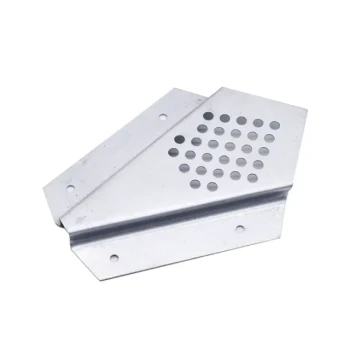
Metal excluders are often considered the industry standard due to their robustness and longevity. They feature smooth edges that are less likely to harm bees as they pass through and are strong enough to withstand scraping during cleaning. Furthermore, they do not sag and can endure gamma irradiation for sterilization purposes.
Cost-Effectiveness of Plastic Excluders
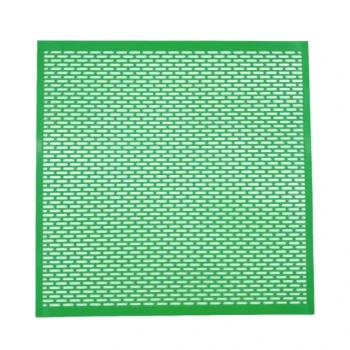
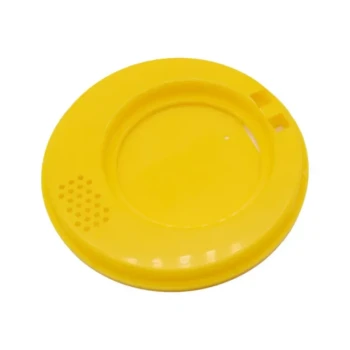
Plastic excluders offer a lightweight and economical alternative for beekeepers. They do not rust and are thermally neutral, meaning they do not conduct heat or cold into the hive environment.
Understanding the Trade-offs
While the advantages are clear, it is important to recognize that the use of queen excluders is a subject of debate. Opponents argue that they may restrict the movement of worker bees, potentially reducing nectar collection—a phenomenon sometimes jokingly referred to as a "honey excluder." Additionally, if not properly maintained or if the wrong size is used, there is a risk of damaging worker bees or trapping drones. However, for those prioritizing clean extractions and speed, the benefits generally outweigh these potential downsides.
Making the Right Choice for Your Goal
To determine if a queen excluder fits your apiary management style, consider your primary objectives:
- If your primary focus is commercial efficiency: Utilize metal queen excluders to maximize harvest speed and ensure equipment longevity during rigorous cleaning.
- If your primary focus is honey purity: Implement excluders to guarantee pollen-free honey and light-colored wax, which are ideal for show benching or sales.
- If your primary focus is frequent inspection: Use excluders to restrict the queen's location, reducing the time spent searching for her during health checks.
Ultimately, the queen excluder is a powerful tool for segregation that transforms a chaotic hive into an organized, efficient honey-producing unit.
Summary Table:
| Feature | Advantage for Beekeepers |
|---|---|
| Harvest Speed | Eliminates time spent checking for brood in honey supers during extraction. |
| Honey Purity | Keeps honey clear of eggs, larvae, and excessive pollen impurities. |
| Queen Location | Restricts the queen to a specific area, making inspections and re-queening faster. |
| Wax Quality | Produces lighter, cleaner "virgin" wax by preventing brood rearing in supers. |
| Organization | Maximizes storage space by dedicating upper frames exclusively to nectar and honey. |
Elevate Your Commercial Apiary with HONESTBEE
At HONESTBEE, we understand that efficiency is the backbone of a successful beekeeping business. Whether you are a large-scale commercial apiary or a dedicated distributor, we provide the industrial-grade tools you need to thrive. Our premium metal and plastic queen excluders are designed for durability and precision, ensuring your honey remains pure and your operations stay lean.
From hive-making and honey-filling machinery to a complete range of essential consumables and honey-themed cultural merchandise, HONESTBEE is your all-in-one partner for beekeeping excellence. Let us help you scale your production and maximize your market value.
Contact Us Today for Wholesale Solutions
Related Products
- High Performance Plastic Queen Excluder for Beekeeping and Apiary Management
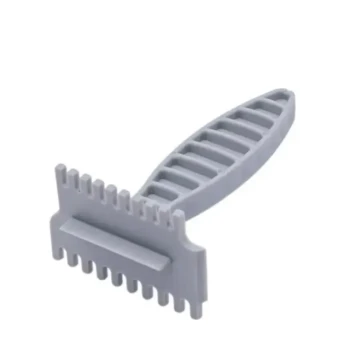
- Lightweight Durable Plastic Queen Excluder Scraper for Beekeeping
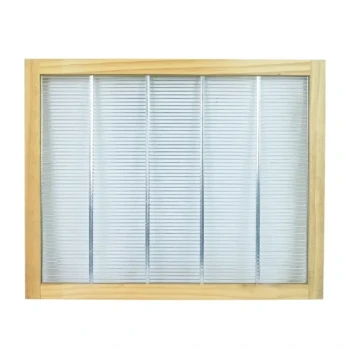
- Premium Wood Framed Metal Wire Queen Bee Excluder
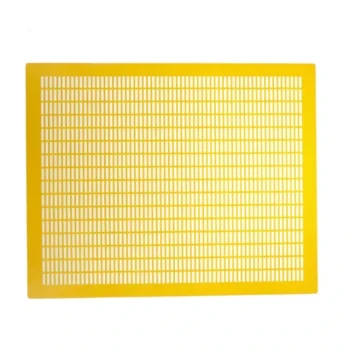
- Professional Plastic Queen Excluder for Modern Beekeeping
- Metal Queen Bee Excluder for Beekeeping
People Also Ask
- What are the characteristics of a plastic queen excluder? Key Benefits for Cost-Effective Beekeeping
- What are the operational and cost advantages of using plastic queen excluders over metal or wire excluders in commercial hive management? Discover how they reduce labor, prevent wing damage, and lower total costs.
- What types of queen excluders are available for beekeepers? Choose the Right Tool for Your Hive
- Why are standardized hive frames and queen excluders essential for maintaining honey purity and quality? Scale Your Purity
- Do plastic queen excluders work? A Cost-Effective Solution for Modern Apiaries