The integration of high-precision dissecting microscopes with digital imaging systems serves as a critical bridge between manual observation and computational analysis in apiculture. This hardware combination provides a clear micro-level field of view while simultaneously converting optical signals into high-resolution digital images, allowing for the capture of minute anatomical details—such as wing vein intersections and hamuli—to generate high-fidelity raw data for quantitative software analysis.
By transforming transient optical views into permanent, high-resolution digital assets, this system enables researchers to move beyond simple observation. It facilitates the precise digitization of anatomical features, providing the rigorous data foundation necessary for accurate subspecies identification and cluster analysis.
Superior Visualization of Micro-Structures
Resolving Minute Details
The primary advantage of high-precision optical hardware is the ability to resolve specific, minute anatomical features.
Researchers can clearly observe complex structures, such as the hamuli (small hooks on the wings) and specific wing vein intersections.
Clear Micro-Level Field of View
Standard magnifying equipment often lacks the depth or clarity required for scientific taxonomy.
A high-precision dissecting microscope provides a crisp, micro-level field of view, ensuring that no anatomical nuance is lost due to optical aberration or poor lighting.
The Power of Digital Conversion
From Optical Signal to Digital Asset
The core innovation in this system is the conversion of analog optical signals into high-resolution digital images.
This allows the physical specimen to be preserved virtually, creating a permanent record that can be reviewed, shared, or re-analyzed without degrading the original sample.
Precise On-Screen Measurement
Digital imaging allows measurement tasks to move from the microscope eyepiece to the computer screen.
This facilitates the precise measurement of small features, such as cubital index, tarsal length, and tarsal width, directly on the digital image, reducing eye strain and human error associated with manual calipers or ocular micrometers.
Enabling Quantitative Analysis
Generating High-Fidelity Raw Data
Software analysis is only as good as the data entered into it.
These integrated systems provide high-fidelity raw data, ensuring that the inputs for morphometric software are accurate representations of the physical specimen.
Facilitating Subspecies Identification
The ultimate goal of capturing such precise data is often cluster analysis and subspecies identification.
By digitizing specific anatomical markers like the right forewing and hind legs, the system allows algorithms to statistically categorize bee populations with a level of precision that is difficult to achieve manually.
Understanding the Trade-offs
Equipment Calibration Dependencies
While these systems offer high precision, they rely heavily on accurate calibration.
If the digital camera is not perfectly calibrated to the microscope's magnification settings, the resulting digital measurements will be consistently inaccurate, compromising the entire dataset.
Sample Preparation Requirements
High-resolution imaging acts as a magnifier for errors in sample preparation.
To leverage the full potential of this hardware, specimens (such as dissected wings or acetolyzed samples) must be prepared meticulously; dust, debris, or poor mounting techniques will be captured in high fidelity, potentially obscuring critical data points.
Making the Right Choice for Your Goal
To maximize the value of an integrated microscopy system, align your hardware choice with your specific analytical objectives:
- If your primary focus is Subspecies Identification: Prioritize systems with high-resolution cameras capable of capturing distinct wing vein angles for precise cubital index calculations.
- If your primary focus is Collaborative Research: Prioritize systems with robust digital file handling to ensure high-fidelity images can be easily shared and analyzed by remote teams.
High-precision digital microscopy transforms the subjective art of observation into the objective science of measurement.
Summary Table:
| Feature | Advantage | Impact on Analysis |
|---|---|---|
| Optical Resolution | Clear visualization of hamuli and wing veins | Ensures no anatomical nuance is lost |
| Digital Conversion | Analog signals to high-res digital assets | Enables permanent records and easy sharing |
| On-Screen Measurement | Direct measurement of cubital index/tarsal length | Reduces human error and eye strain |
| Data Fidelity | High-quality raw data for software inputs | Accurate subspecies and cluster identification |
Scale Your Apiary Operations with HONESTBEE Precision
At HONESTBEE, we specialize in empowering commercial apiaries and distributors with the professional tools needed for industrial-grade success. From high-precision analysis equipment to industrial hive-making and honey-filling machines, our comprehensive wholesale portfolio covers your entire production chain.
Our value to you:
- Comprehensive Supply: A one-stop-shop for beekeeping tools, machinery, and consumables.
- Commercial Scalability: Hardware designed for high-volume efficiency and rigorous industry standards.
- Expert Support: We help you select the right technology to optimize your subspecies identification and honey processing workflows.
Ready to enhance your beekeeping infrastructure? Contact HONESTBEE today to discuss our wholesale solutions!
References
- moslem abdelwahed, Lubed A. Al-Saad. First Record and Morphology Study of Red Dwarf Honey Bees Apis Florea Fabricius (1787) in Basra Province. DOI: 10.33794/qjas.2022.134438.1056
This article is also based on technical information from HonestBee Knowledge Base .
Related Products
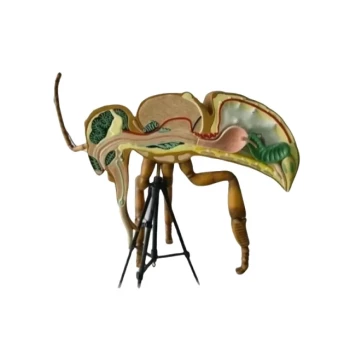
- HONESTBEE Anatomy Bee Model Detailed Anatomical Display for Education and Study
- Digital Honey Refractometer for Precision Measurement of Optimal Honey Quality
- Honey Bee Lifecycle Model: A Detailed Honeycomb Display of Bee Development
- Precision Honey Refractometer Instrument for Quality Assessment
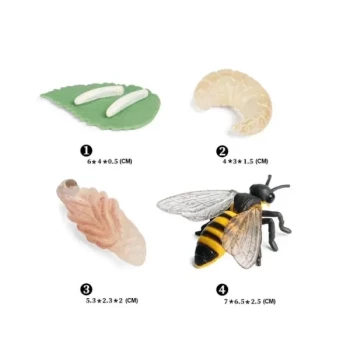
- Honey Bee Life Cycle Model 4 Stage Educational Set for Kids Learning
People Also Ask
- How do honey bees utilize water to regulate the internal temperature of the hive? Master Evaporative Cooling Methods
- Is it good to have honey bees in your yard? A Guide to Boosting Your Garden's Health
- What criteria should be considered in the selection process for honey bee breeding? Top Traits for Sustainable Apiaries
- What should be considered when learning the behavior of honey bees and their queens? Master Colony Management
- Why is maintaining specific relative humidity levels critical in caged honey bee experiments? Ensure Research Validity