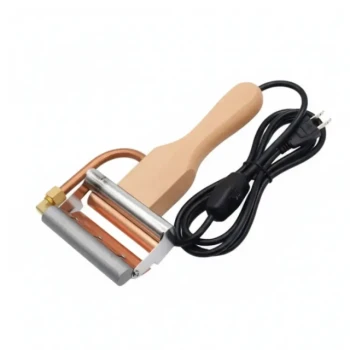
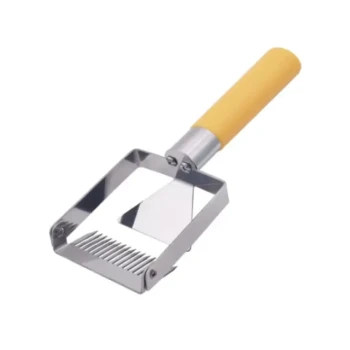
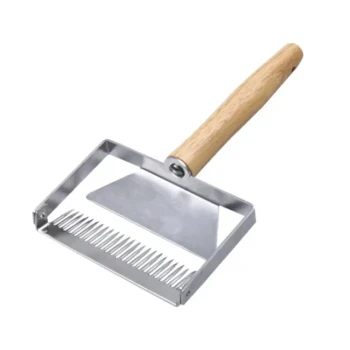
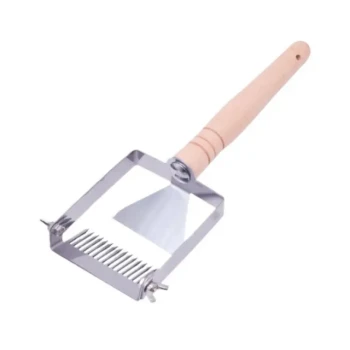
Handheld sweep nets offer a precise, non-invasive approach to collecting wild stingless bee samples by capturing foraging individuals directly from flowers. This method provides a way to gather geographically representative data efficiently while ensuring the physical structure of the natural hive remains completely untouched.
Core Insight: While some techniques focus on acquiring full colonies, sweep netting is the superior choice for research and population monitoring. It allows for the assessment of wild populations and human impact without resorting to the destructive harvesting techniques that compromise natural habitats.
Prioritizing Hive Safety and Conservation
Non-Destructive Sampling
The most significant advantage of using handheld sweep nets is the preservation of the nest. Unlike traditional harvesting methods that may require cutting down trees or breaking into cavities, sweep nets capture bees away from their home. This ensures the natural hive structure remains undamaged.
Targeting Active Foragers
By collecting bees directly from flowers, you target the segment of the population currently interacting with the environment. This provides immediate data on the active workforce without disturbing the queen, the brood, or the internal food stores.
Enhancing Research Precision
Geographic Representation
Sweep netting is highly efficient for obtaining geographically representative samples. Because the researcher moves through the landscape to capture bees at various floral resources, the resulting data reflects the distribution of the wild population across a specific area more accurately than stationary traps might.
Assessing Environmental Impact
This method is a fundamental technique for understanding external pressures. It allows researchers to accurately assess how wild populations are influenced by human intervention. It is also critical for studying the competitive dynamics between wild bees and the presence of managed hives in the same ecosystem.
Understanding the Trade-offs
Sampling vs. Colony Acquisition
It is vital to distinguish between collecting samples and acquiring colonies. Sweep nets are designed to capture individual specimens for analysis or identification.
Limitations for Beekeeping
If your goal is to establish a new hive or expand beekeeping operations, sweep nets are not the correct tool. In those scenarios, trap-nests or artificial domiciles are required to attract natural swarms and acquire a viable colony without destroying the mother nest.
Making the Right Choice for Your Goal
To select the appropriate tool, you must define the end goal of your interaction with the bee population.
- If your primary focus is Research and Monitoring: Use handheld sweep nets to capture foragers efficiently and assess population health or human impact without damaging hives.
- If your primary focus is Colony Expansion: Use trap-nests to attract swarms and acquire full colonies non-invasively, avoiding the need to cut down trees.
Choose the tool that yields the data you need while minimizing your footprint on the ecosystem.
Summary Table:
| Feature | Handheld Sweep Nets | Traditional Nest Harvesting |
|---|---|---|
| Primary Goal | Scientific Sampling & Monitoring | Colony Acquisition |
| Impact on Hive | Non-invasive (Zero damage) | Potentially Destructive |
| Target Subject | Active Foraging Workers | Queen, Brood, and Food Stores |
| Data Accuracy | High Geographic Representation | Localized Site Data |
| Best Used For | Environmental Impact Studies | Beekeeping & Colony Expansion |
Elevate Your Beekeeping & Research Operations with HONESTBEE
At HONESTBEE, we understand the delicate balance between productive beekeeping and environmental conservation. Whether you are a commercial apiary looking to scale or a distributor seeking high-quality equipment, we provide the full spectrum of professional solutions.
Our comprehensive wholesale offering includes:
- Specialized Machinery: Advanced hive-making and honey-filling machines.
- Professional Tools: High-precision sweep nets, beekeeping hardware, and essential consumables.
- Cultural Merchandise: Unique honey-themed products to expand your market reach.
Ready to optimize your yield and support sustainable bee populations? Contact HONESTBEE today to discover how our industry-leading tools and machinery can empower your business success.
References
- Nadine C. Chapman, Benjamin P. Oldroyd. Anthropogenic hive movements are changing the genetic structure of a stingless bee (Tetragonula carbonaria) population along the east coast of Australia. DOI: 10.1007/s10592-017-1040-9
This article is also based on technical information from HonestBee Knowledge Base .
Related Products
- Heavy-Duty Ergonomic Grip Galvanized Pollen Shovel
- Professional Dual Action Queen Excluder Scraper for Beekeeping
- Commercial Grade Vertical Electric Bee Sweeper for Bee Removal
- Professional Wide Blade Honey Scraper for Beekeeping and Honey Processing
- Precision Stainless Steel Frame Cleaner for Hive Grooves and Corners
People Also Ask
- For what reasons do beekeepers collect bee pollen? Boost Hive Health and Unlock New Revenue Streams
- Why should commercial apiaries focus on the collection of diversified bee products? Maximize Your Hive’s Profit Potential
- How do bee pollen collection tools affect the quality of bee pollen used in functional dairy ice cream production?
- How does a specialized pollen collector facilitate the harvesting of diverse bee products? Automate High-Value Yields
- What is the impact of pollen collectors and associated equipment on the cost structure of pollen production? Maximize ROI