Industrial-grade plastic buckets are the preferred standard for honey logistics because they effectively bridge the gap between heavy-duty physical protection and delicate chemical preservation. They provide a lightweight, high-strength container that eliminates the risk of chemical reactions with honey’s natural acidity, ensuring the product reaches processing facilities without metal ion contamination or flavor degradation.
Core Takeaway The superior value of industrial plastic buckets lies in their ability to maintain a chemically inert environment while enduring physical stress. Unlike metal options, they prevent the interaction between acidic raw honey and container walls, preserving the physicochemical stability and purity of the honey even during transport over rough terrain.
Preserving Chemical Integrity
Eliminating Metal Contamination
Raw honey is naturally acidic. When transported in metal containers, this acidity can trigger a chemical reaction, causing metal ions to leach into the product. Industrial-grade plastic is chemically inert, preventing this reaction entirely.
Maintaining Physiochemical Stability
Plastic containers ensure that the honey's original composition remains unaltered. By avoiding chemical reactivity, these buckets preserve the honey's high purity, natural enzymes, and nutritional profile from the apiary to the processing plant.
Optimizing Logistics and Durability
Handling Rough Terrain
Apiaries are often located in remote, rural areas requiring transport over uneven roads. Industrial plastic buckets feature high impact strength, allowing them to absorb shocks and vibrations without compromising structural integrity or causing leaks.
Reducing Transport Burden
These buckets are significantly lightweight compared to glass or metal alternatives. This reduces the overall gross weight of the shipment, making manual handling easier for workers and improving fuel efficiency during long-distance transport.
Ensuring Hygiene and Quality Control
Superior Sealing Capabilities
Honey is hygroscopic, meaning it naturally absorbs moisture from the air. High-quality plastic buckets utilize airtight seals that prevent atmospheric moisture ingress, which is critical because excess moisture can lead to unwanted fermentation.
Barrier Against External Contaminants
In complex outdoor harvesting environments, raw honey is vulnerable to dust, forest debris, and insects. The robust physical barrier of these buckets prevents secondary contamination, ensuring the honey remains clean before it undergoes fine filtration.
Flavor Retention
Volatile flavor compounds give raw honey its distinct regional character. The airtight nature of these containers prevents these volatile elements from escaping, ensuring the original flavor profile remains intact for the consumer market.
Operational Efficiency
Facilitating Natural Clarification
During short-term storage and transport, these buckets allow for a settling process. Air bubbles and fine particles rise to the top of the container, facilitating natural clarification before the honey enters the mechanical filtration stage.
Cost and Sanitization
Industrial plastic buckets are cost-effective and available in various specifications to meet different volume needs. Furthermore, their smooth, non-corrosive surfaces are easy to sanitize, allowing for reuse without risking cross-contamination between batches.
Understanding the Trade-offs
The "Food-Grade" Distinction
A critical pitfall in sourcing logistics materials is assuming all "industrial" buckets are safe for honey. You must ensure the plastic is explicitly certified as food-grade. Using general-purpose industrial plastic can introduce toxic chemicals into the honey, negating all purity benefits.
Thermal Conductivity Limitations
While plastic is excellent for transport, it has lower thermal conductivity than metal. If the honey crystallizes during transport and requires rapid heating or liquefaction inside the container later, plastic buckets may require longer processing times than metal drums.
Making the Right Choice for Your Goal
To maximize the quality of your raw honey logistics, match your container choice to your specific operational priority:
- If your primary focus is Chemical Purity: Prioritize buckets explicitly certified as food-grade HDPE (High-Density Polyethylene) to guarantee zero reactivity with the honey's acidity.
- If your primary focus is Long-Distance Transport: Select buckets with reinforced rims and gasket-lined lids to withstand the physical vibration of rough terrain without breaking the moisture seal.
- If your primary focus is Operational Cost: Utilize standardized, stackable bucket designs that maximize truck space and can be easily sanitized for multiple harvest cycles.
By selecting the correct industrial-grade plastic, you protect not just the honey, but the market value of your entire harvest.
Summary Table:
| Feature | Advantage for Honey Logistics | Impact on Quality |
|---|---|---|
| Chemical Inertness | Prevents metal ion leaching and reactions with acidic honey | Preserves purity and enzymes |
| High Impact Strength | Durable against shocks and vibrations on rough terrain | Prevents leaks and waste |
| Airtight Sealing | Blocks atmospheric moisture and external contaminants | Prevents fermentation and dust |
| Lightweight Design | Easier manual handling and lower fuel consumption | Increases operational efficiency |
| Flavor Retention | Seals in volatile compounds | Maintains regional flavor profile |
Elevate Your Honey Quality with HONESTBEE
Protect your harvest with professional-grade logistics solutions. At HONESTBEE, we specialize in supporting commercial apiaries and distributors with a comprehensive range of food-grade beekeeping tools and industrial machinery. Whether you need durable honey storage containers, hive-making equipment, or advanced honey-filling machines, our wholesale offerings are designed to ensure your honey remains pure and profitable from the field to the consumer.
Ready to optimize your supply chain?
Contact us today to explore our full spectrum of beekeeping hardware and consumables!
References
- Verina Ingram, Aske Skovmand Bosselmann. To Label or Not? Governing the Costs and Benefits of Geographic Indication of an African Forest Honey Value Chain. DOI: 10.3389/ffgc.2020.00102
This article is also based on technical information from HonestBee Knowledge Base .
Related Products
- Food Grade Plastic Honey Bucket Pail for Beekeeping
- Plastic Honey Gate Spout with Wing Nut for Beekeeping Honey Bucket
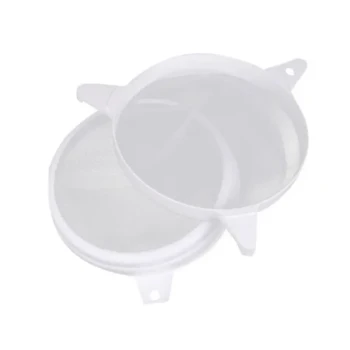
- Two-Stage Plastic Honey Filter for Buckets
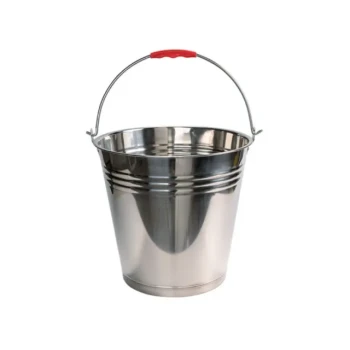
- Premium Stainless Steel Honey Tank Bucket Pail with Reinforced Handle and Polished Finish
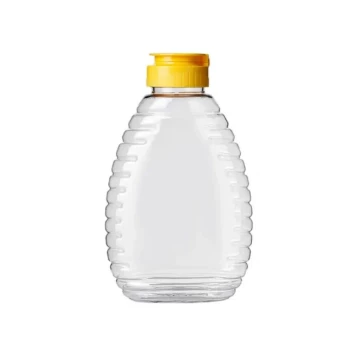
- Squeezable No-Drip Beehive-Shaped Honey Jars with Flip-Top Cap
People Also Ask
- What key operational precautions should be taken when using honey buckets and extractors fitted with bottom drain taps?
- What functions do food-grade honey buckets perform? Safeguard Your Harvest and Optimize Apiary Logistics
- Why are food-grade plastic buckets preferred for honey? Protect Quality with Modern Honey Collection Tools
- What is the significance of food-grade plastic honey collection buckets? Boost Quality in Forest Honey Logistics
- What is a honey pail? The Essential Container for Protecting Your Honey's Value