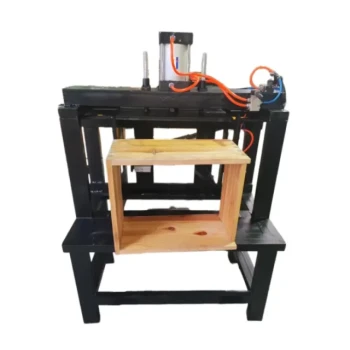
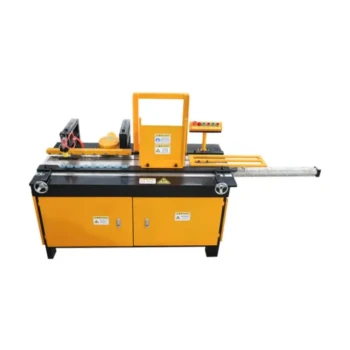
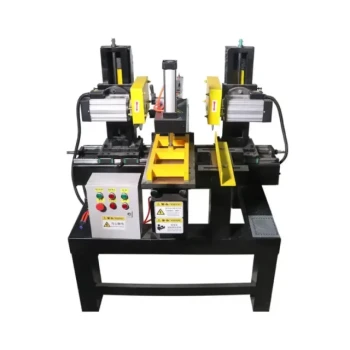
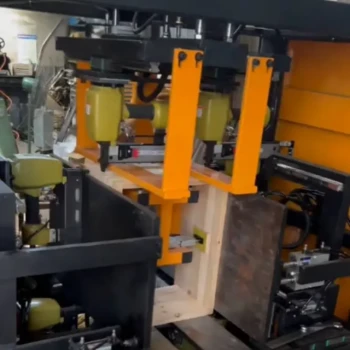
Industrial hive-making machinery fundamentally transforms apiary operations by enabling the mass production of highly standardized, precision-machined components. unlike manual production, which inevitably introduces structural variations, industrial equipment ensures every frame, box, and bottom board adheres to exact specifications, such as the Langstroth standard. This mechanical precision is the prerequisite for achieving the component interchangeability and logistical efficiency required by large-scale commercial apiaries.
While manual construction allows for individual customization, commercial scalability depends on the rigorous consistency that only industrial machinery can provide. The core advantage is not just manufacturing speed, but the creation of a modular, interchangeable infrastructure that drastically reduces the labor burden of management, transport, and disease control.
The Operational Impact of Standardization
Ensuring Total Component Interchangeability
The primary benefit of industrial machinery is the ability to produce components that fit together perfectly, regardless of production batch. Manual production often results in slight variances that make swapping parts difficult or impossible.
With industrial precision, tools like queen excluders, frames, and covers can be moved seamlessly between different hives. This eliminates the time wasted modifying ill-fitting components during field operations.
Streamlining Assembly and Maintenance
Machinery such as automated tenoning machines and multi-head drills ensures high repeatability in joint processing. This makes the initial assembly of beehives significantly faster and more durable compared to hand-cut wood.
Routine maintenance becomes a matter of simple replacement rather than repair. Beekeepers can swap out a damaged standardized part immediately without needing to custom-fit a replacement.
Optimizing Labor Efficiency
By removing structural variances, machinery reduces the "friction" in daily beekeeping tasks. Beekeepers spend less time struggling with equipment and more time focusing on colony health.
This reduction in labor time per unit is critical for profitability. It allows the same workforce to manage hundreds or thousands of colonies effectively.
Logistics and Colony Health
Facilitating Migratory Beekeeping
Commercial pollination often requires moving colonies across regions. Industrial machinery ensures hives have uniform exterior dimensions, allowing them to stack securely on pallets and trucks.
Manual production variances can lead to unstable stacks or wasted cargo space. Standardized structures are essential for the safe, mechanized transport of colonies to follow seasonal blooms.
Enhancing Disease and Pest Control
Precision machining creates tighter joints and seals, eliminating the gaps often found in manual construction. These gaps can otherwise serve as entry points for pests or harboring grounds for pathogens.
Furthermore, standardized internal dimensions allow for better hygiene management. Industrial-grade hardware supports consistent cleaning protocols, mitigating the risks associated with colony loss.
Improving Ventilation and Environmental Stability
Specialized machinery allows for complex, consistent internal designs that optimize airflow and humidity. Manual processing often struggles to replicate these specific ventilation channels consistently across hundreds of units.
Proper moisture control and ventilation are vital for bee welfare. Mechanized production ensures every colony benefits from a structure designed to meet specific organic requirements for temperature regulation.
Understanding the Trade-offs
High Initial Capital Investment
Transitioning to industrial hive-making requires a significant upfront investment in specialized machinery. For smaller operations, the cost of automated drills and tenoning machines may outweigh the efficiency gains.
Maintenance of Complex Equipment
Unlike simple hand tools, industrial machinery requires technical maintenance and calibration to maintain its precision. An apiary using this equipment must have the internal capability or external support to keep the machinery running.
Reduced Flexibility for Custom Designs
Industrial machinery is optimized for high-volume production of specific standards (like Langstroth). If an apiary wishes to experiment with radical new hive geometries, re-tooling industrial lines is far more difficult than adjusting manual production methods.
Making the Right Choice for Your Goal
To determine if industrial hive-making machinery is the right investment for your apiary, consider your primary operational objectives:
- If your primary focus is Scalability and Logistics: Invest in machinery to ensure the uniform dimensions required for efficient stacking, migratory transport, and mechanized handling.
- If your primary focus is Disease Management: Utilize precision machinery to create tight-fitting, hygienic components that improve ventilation and reduce pest infiltration risks.
- If your primary focus is Operational Efficiency: Leverage standardized production to ensure complete interchangeability of parts, drastically reducing the labor hours spent on maintenance and assembly.
Ultimately, industrial machinery shifts beekeeping from a craft-based practice to a scalable manufacturing discipline, providing the consistent physical foundation necessary for modern, high-volume apiculture.
Summary Table:
| Feature | Industrial Machinery | Manual Production |
|---|---|---|
| Component Precision | High (Exact Standardized Dimensions) | Variable (Prone to Human Error) |
| Interchangeability | Total (Universal Fit Across Batches) | Limited (Frequent Custom Adjustments) |
| Production Speed | High (Mass Production Optimized) | Low (Labor Intensive) |
| Logistics Suitability | Excellent (Secure Pallet Stacking) | Poor (Irregular Dimensions) |
| Pest/Disease Control | Tight Seals & Better Ventilation | Potential Gaps & Inconsistency |
| Cost Profile | High Initial Capex / Low OpEx | Low Initial Capex / High OpEx |
Transform Your Apiary Operations with HONESTBEE
Transitioning from manual labor to industrial precision is the key to scaling your beekeeping business. HONESTBEE specializes in empowering commercial apiaries and distributors with high-performance hive-making and honey-filling machinery.
Our comprehensive wholesale range includes everything from specialized hardware to essential industry consumables, ensuring your infrastructure is modular, durable, and efficient. By partnering with us, you gain access to the tools needed to reduce labor burdens, improve colony health, and maximize profitability.
Ready to modernize your production line?
Contact HONESTBEE Today to discuss how our equipment can drive your commercial success!
References
- Mohammad Irshad, Elizabeth Stephen. Review: Pollination, Pollinated and Pollinators Interaction in Pakistan. DOI: 10.35691/jbm.4102.0003
This article is also based on technical information from HonestBee Knowledge Base .
Related Products
- High-Efficiency Pneumatic Bee Hive Making Machine for Rapid Box Assembly
- Beehive Handle and Frame Rest Cutting Machine: Your Specialized Hive Machine
- Automatic Finger Joints Joint Making Machine for Bee Box and Hive Making
- Beehive Machine Double End Saw for Precision Hive Component Manufacturing
- Mini Desktop Bee Hive Frame Forming Making Machine
People Also Ask
- How does the introduction of professional beehive-making machinery benefit sustainable beekeeping? Scale Your Apiary
- Why is specialized beehive-making machinery critical for low-defense breeding? Enhance Selection with Precision Tools
- How does the introduction of specialized beehive making machinery contribute to increasing the scale of regional beekeeping industries?
- What is the importance of specialized beehive making machinery in a circular bio-economy? Build Local Sustainability
- Why is specialized beehive-making machinery essential? Scale Your Apiary with Precision Industrial Standards