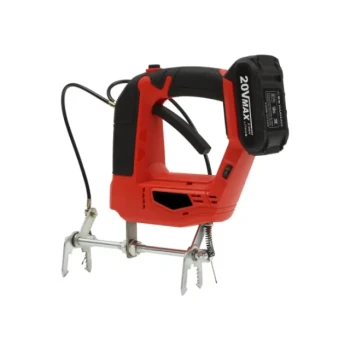
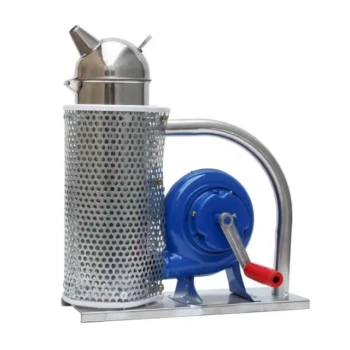
The implementation of small-scale, high-mobility beekeeping machinery and manual tools provides a critical advantage in balancing apiary productivity with environmental stewardship. By utilizing equipment that minimizes physical interference with the landscape, land managers can strategically limit colony density in specific locations. This precision approach significantly reduces resource competition between managed honeybees and wild pollinators while lowering the risk of disease transmission.
Core Insight High-mobility tools shift the operational focus from industrial concentration to ecological distribution. By enabling the dispersion of colonies rather than clustering them, you protect the health of wild bee populations and preserve the physical integrity of conservation habitats without sacrificing honey production.
Promoting Ecological Balance
Reducing Resource Competition
The primary ecological benefit of this equipment is the ability to manage colony density effectively. Large commercial operations often flood an area with foragers, stripping resources from native species.
Small-scale, mobile tools allow beekeepers to spread hives across wider areas in smaller clusters. This ensures that managed honeybees do not monopolize nectar and pollen sources, leaving ample resources for wild bee populations.
Mitigating Disease Transmission
High-density apiaries are often hotspots for pathogen spread. When colonies are crowded, pests and diseases move rapidly between hives.
By using high-mobility machinery to space colonies further apart, you create natural "firebreaks" against infection. This separation lowers the risk of cross-contamination between managed colonies and wild pollinators, promoting overall ecosystem health.
Preserving Habitat Integrity
Minimizing Physical Disturbance
Standard industrial beekeeping often requires heavy trucks and forklifts that can compact soil and damage native vegetation.
Small-scale machinery and manual tools are designed to be lightweight and unobtrusive. Using this equipment ensures that the physical act of managing the bees does not degrade the very habitat you are trying to conserve.
Adapting to Remote Terrain
Conservation areas often feature rugged or inaccessible terrain unsuitable for standard vehicles.
High-mobility gear allows managers to access these difficult locations. This capability prevents the over-concentration of hives in easily accessible areas, ensuring a more even and sustainable distribution of pollinators across the landscape.
Understanding the Trade-offs
Operational Intensity
While ecologically superior, this approach requires more physical effort and logistical planning than industrial methods. Relying on manual tools and small machinery often increases the time required for hive maintenance and harvesting.
Volume Limitations
Small-scale machinery naturally limits the number of hives that can be transported or managed in a single trip. This strategy prioritizes ecosystem health and sustainable yield over maximizing immediate, high-volume production efficiency.
Making the Right Choice for Your Goal
To determine if this equipment profile suits your management plan, consider your primary objectives:
- If your primary focus is conservation and biodiversity: Prioritize high-mobility tools to disperse colonies thinly, reducing competition with native species and preventing physical habitat damage.
- If your primary focus is sustainable productivity: Utilize this equipment to access untapped floral resources in remote areas, accepting slightly higher labor requirements for the benefit of healthier, disease-free colonies.
True stewardship requires aligning your operational tools with the delicate biological needs of the landscape you manage.
Summary Table:
| Feature | Advantage in Conservation Areas | Ecological Impact |
|---|---|---|
| Equipment Scale | Lightweight, manual, or compact machinery | Minimizes soil compaction and vegetation damage |
| Mobility | High accessibility to remote or rugged terrain | Prevents hive over-concentration in sensitive areas |
| Colony Density | Enables strategic dispersion of smaller clusters | Reduces resource competition with wild pollinators |
| Disease Control | Increased spacing between managed colonies | Creates natural firebreaks against pathogen transmission |
Partner with HONESTBEE for Sustainable Apiary Success
At HONESTBEE, we understand that commercial success in beekeeping must go hand-in-hand with environmental stewardship. As a premier provider for commercial apiaries and distributors, we offer a comprehensive wholesale range of specialized tools and machinery designed to meet the highest industry standards.
Whether you need specialized hardware like hive-making and honey-filling machines to optimize your production, or high-mobility beekeeping tools to protect delicate conservation landscapes, our portfolio delivers the quality your business demands. We also supply a wide array of essential industry consumables and honey-themed cultural merchandise to support your brand's growth.
Ready to scale your operations responsibly? Contact us today to discover how HONESTBEE's full-spectrum equipment solutions can enhance your efficiency while preserving the ecosystems you manage.
References
- Cédric Alaux, Axel Decourtye. Pitting Wild Bees Against Managed Honey Bees in Their Native Range, a Losing Strategy for the Conservation of Honey Bee Biodiversity. DOI: 10.3389/fevo.2019.00060
This article is also based on technical information from HonestBee Knowledge Base .
Related Products
- High Performance Cordless Electric Bee Shaker for Beekeeping
- Full Set Beekeeping Electronic Bee Venom Collector Machine Device for Bee Venom Collecting
- HONESTBEE Professional Mini J-Hook Hive Tool for Beekeeping
- Heavy Duty Manual Bee Smoker Blower for Beekeeping
- Stainless Steel J Hook Hive Tool for Beekeeping
People Also Ask
- Why is the use of a bee shaker and alcohol wash necessary? Master Accurate Varroa Mite Monitoring
- What role do efficient auxiliary tools play in managing labor resources? Maximize Apiary Output & Labor Efficiency
- What should be done with the bee sample after conducting a varroa mite count with a shaker? Post-Test Care Guide
- What is an electric bee smoker? A Guide to Automated Hive Management
- What is the function of a high-performance bee smoker in commercial apiary management? Maximize Safety & Efficiency